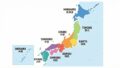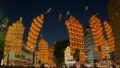
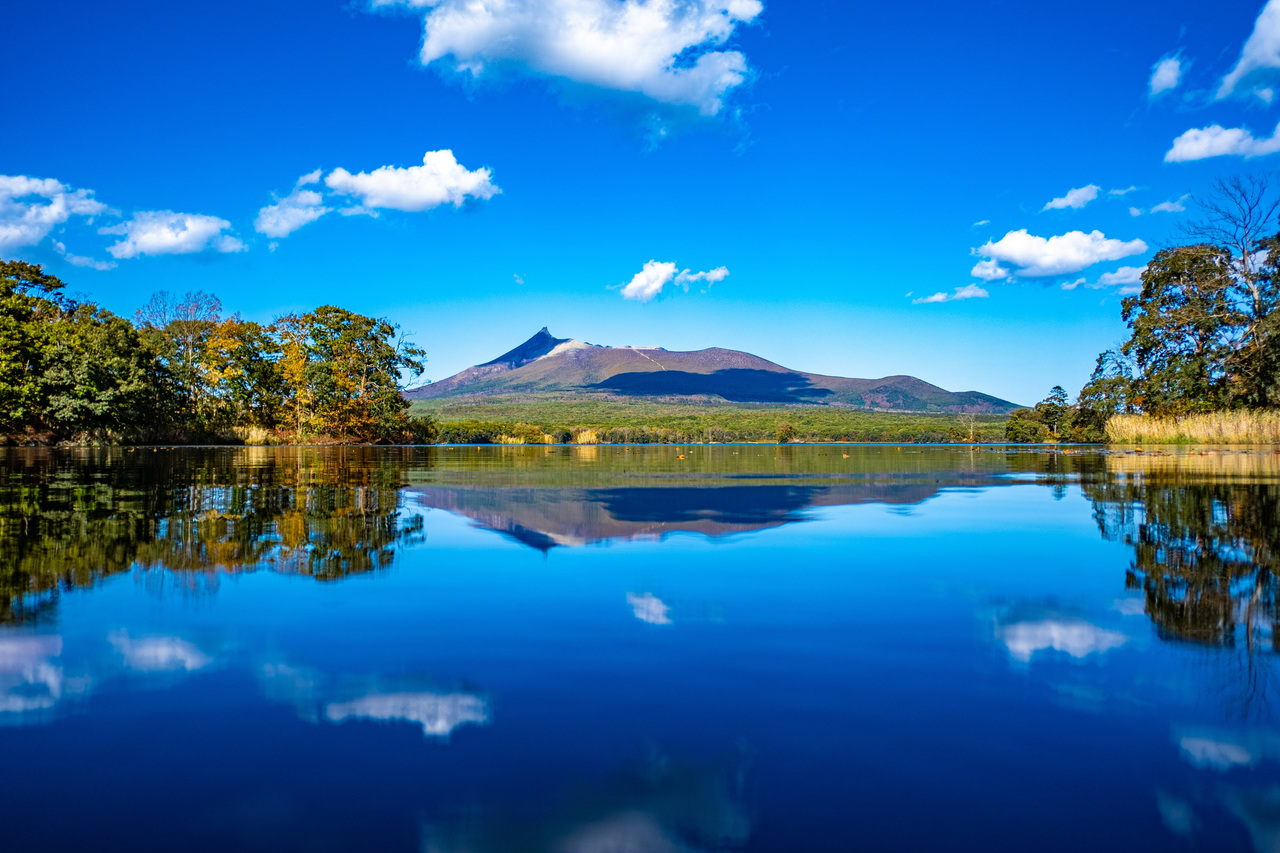
Hi, I’m Hiro, a nationally certified travel professional (Certified Domestic Travel Service Supervisor). Hokkaido, a vast land accounting for approximately 22% of Japan’s total area, has a charm that is hard to describe in just a few words. Because it is so large, many visitors often wonder, “Where should I go?” or “How long does it take to get around?”.
In this article, I will provide a thorough explanation of everything from basic information about Hokkaido to must-visit sightseeing spots and **”highly efficient and satisfying”** model courses. Whether you are a first-time visitor or a repeat traveler, this guide will help your trip planning go smoothly.
Table of Contents
1. Basic Information about Hokkaido
Geography and Climate
Hokkaido belongs to the humid continental climate zone. It has no rainy season (Tsuyu), and summers are refreshing with low humidity. Winters see heavy snowfall and severe cold due to seasonal winds from Siberia, but this allows for stunning views of powder snow and drift ice.
Average Temperature and Precipitation (Sapporo)
To help with your packing, here is the annual data for Sapporo.
| Month | Avg. Temp (°C) | Precipitation (mm) | Clothing Guide |
|---|---|---|---|
| Jan | -3.6 | 113 | Heavy coat, snow boots essential |
| Apr | 7.1 | 56 | Jacket or light coat |
| Jul | 20.5 | 81 | Short sleeves + light layer |
| Oct | 11.8 | 108 | Sweater, fleece, or jacket |
Key Facts
- Population: Approx. 5.1 million (Major cities: Sapporo ~1.97 million, Asahikawa ~320k, Hakodate ~240k)
- Major Airports: New Chitose Airport (CTS), Hakodate Airport (HKD), Asahikawa Airport (AKJ), Kushiro Airport (KUH)
Access Information and Estimated Costs
Here are the primary ways to reach Hokkaido from mainland Japan, along with estimated one-way costs and times (Note: these vary by season and booking timing).
| From | To | Method | Travel Time | Estimated Cost |
|---|---|---|---|---|
| Tokyo (Haneda/Narita) | New Chitose | Flight | Approx. 1h 30m | ¥6,000–¥35,000 *Cheaper with LCC |
| Osaka (KIX/Itami) | New Chitose | Flight | Approx. 2h | ¥7,000–¥40,000 |
| Tokyo Station | Shin-Hakodate-Hokuto | Hokkaido Shinkansen | Approx. 4h | Approx. ¥23,000 |
| Ibaraki (Oarai) | Tomakomai | Ferry | Approx. 18h | From ¥10,000 *Car transport extra |
For your first trip, using **New Chitose Airport** is most convenient due to the high frequency of flights. If you are focusing on Hakodate, choose **Hakodate Airport** or the **Shinkansen**. Since it takes about 4 hours by limited express train between Sapporo and Hakodate, your airport choice significantly affects travel efficiency.
2. 10 Must-Visit Sightseeing Spots in Hokkaido
From the vastness of Hokkaido, I have carefully selected these high-satisfaction spots.
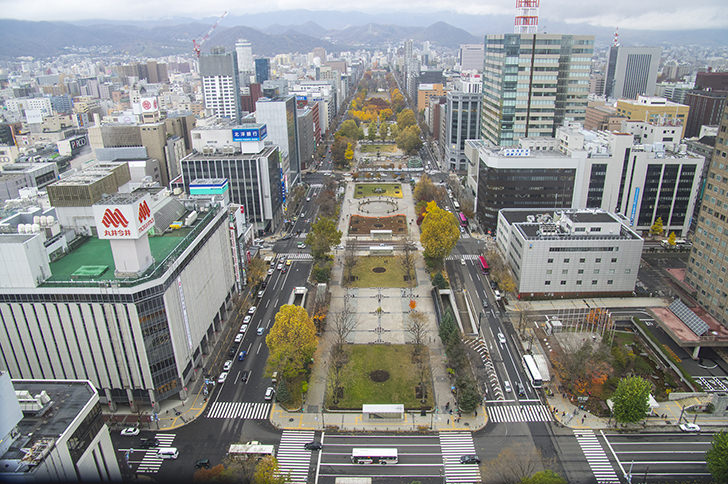
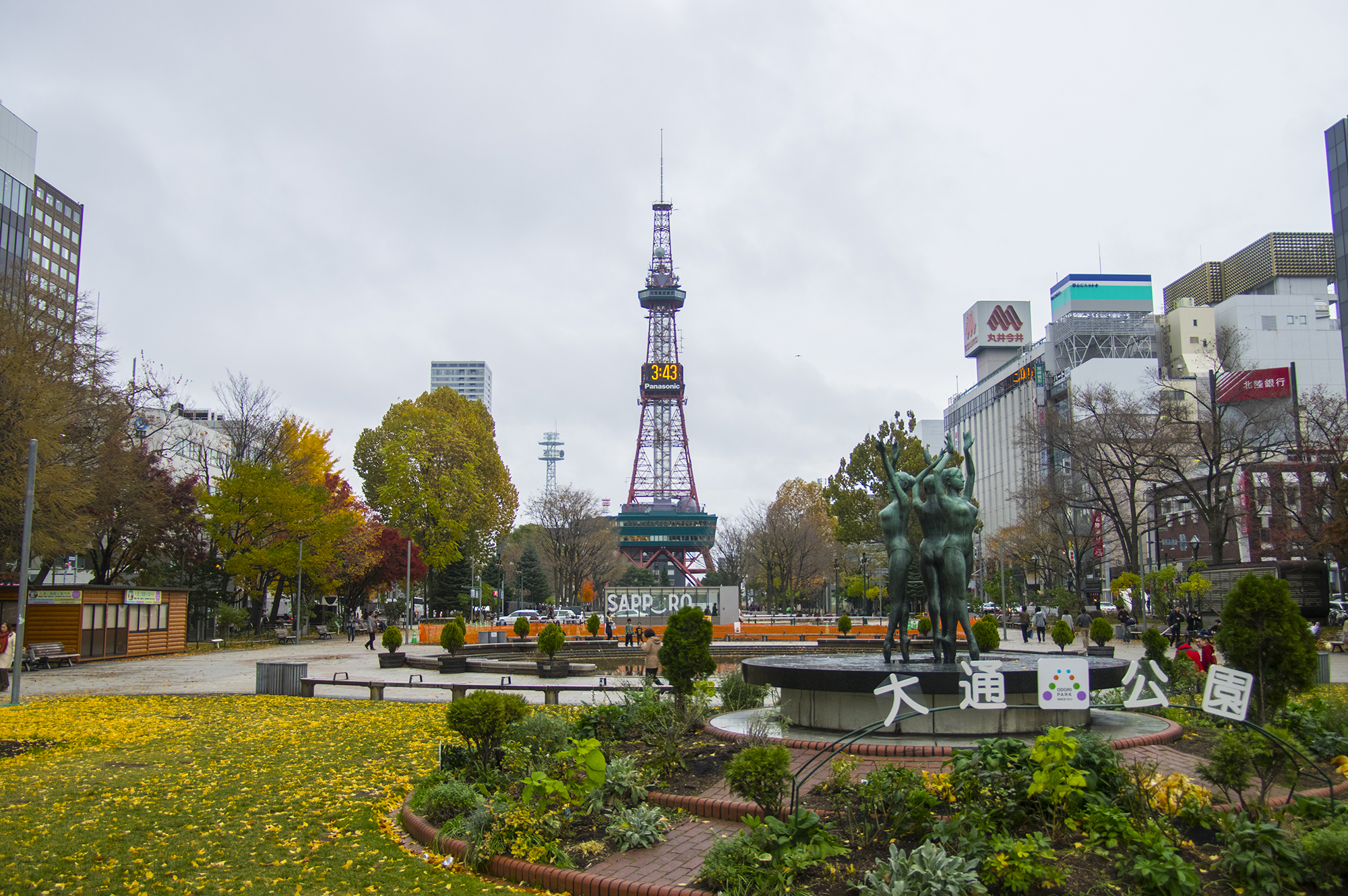
- Sapporo Clock Tower & Odori Park (Sapporo): The symbols of Hokkaido. They serve as venues for the Snow Festival and Beer Garden.
- Otaru Canal (Otaru): A romantic spot lined with historic warehouses. The night illumination is a must-see.
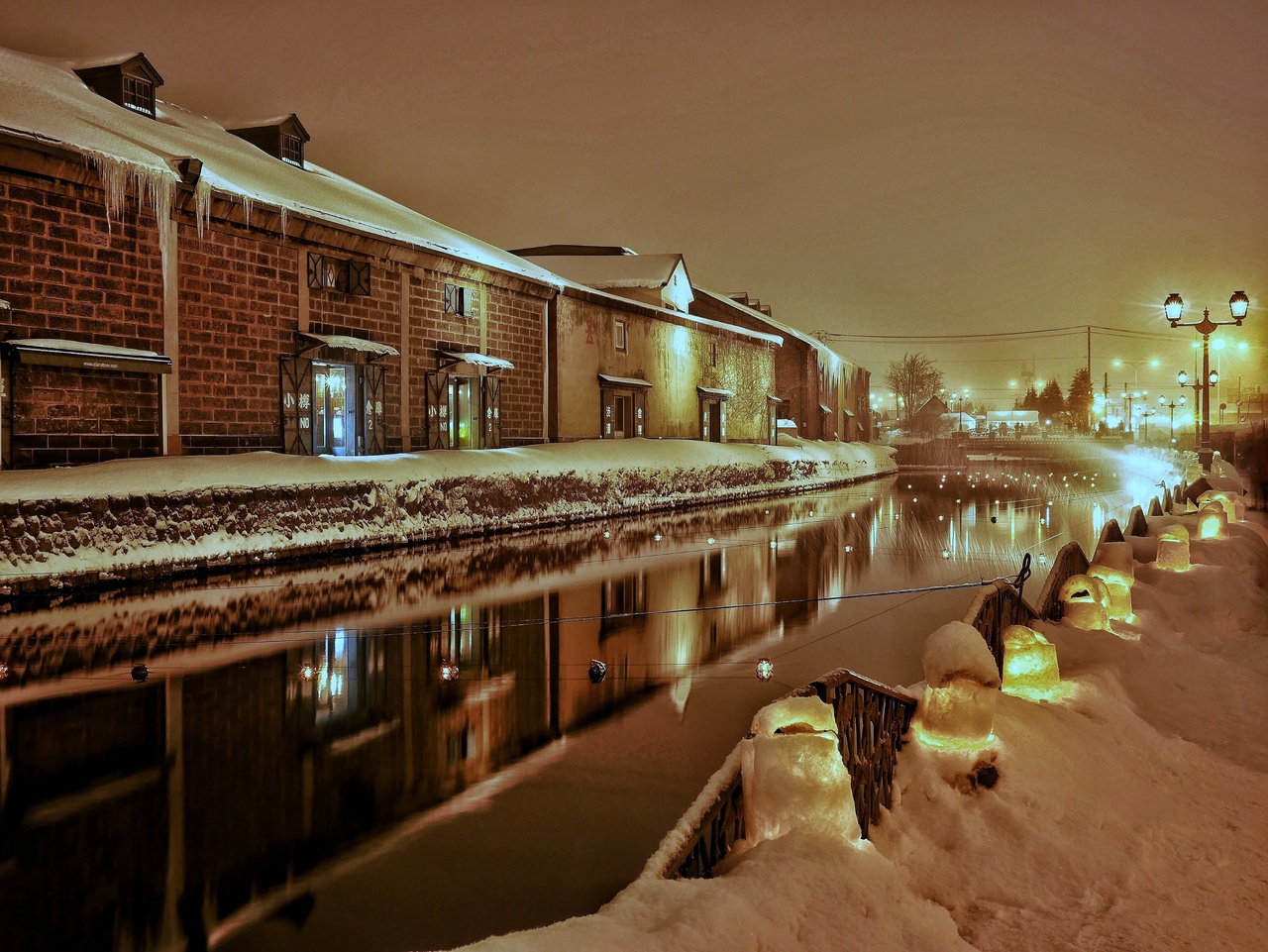 Otaru Canal (Winter) © Yo_Takehana CC BY 4.0
 - Night View from Mt. Hakodate (Hakodate): One of the world’s top three night views, offering a stunning panoramic look at the city’s unique narrow topography.
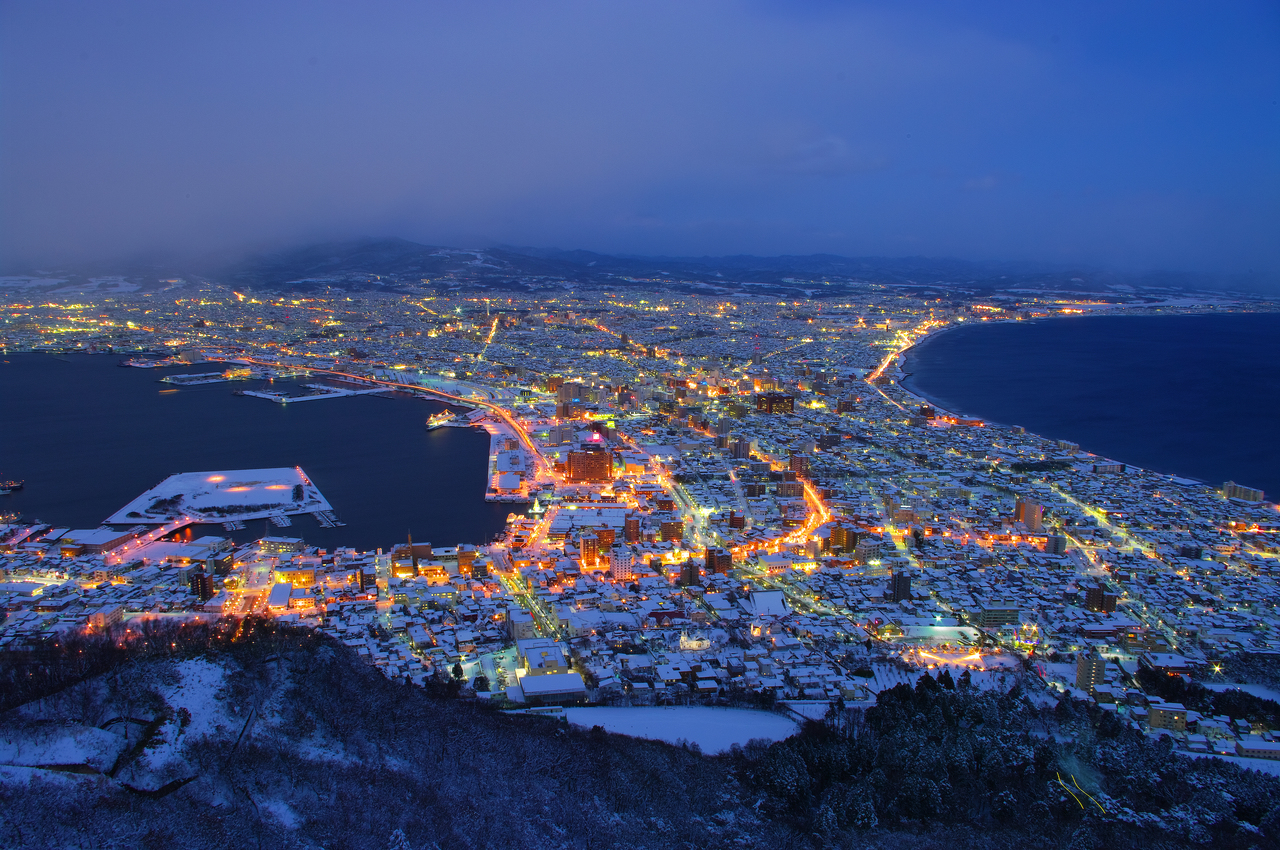 Mt. Hakodate © Sadaharu Hora CC BY 4.0
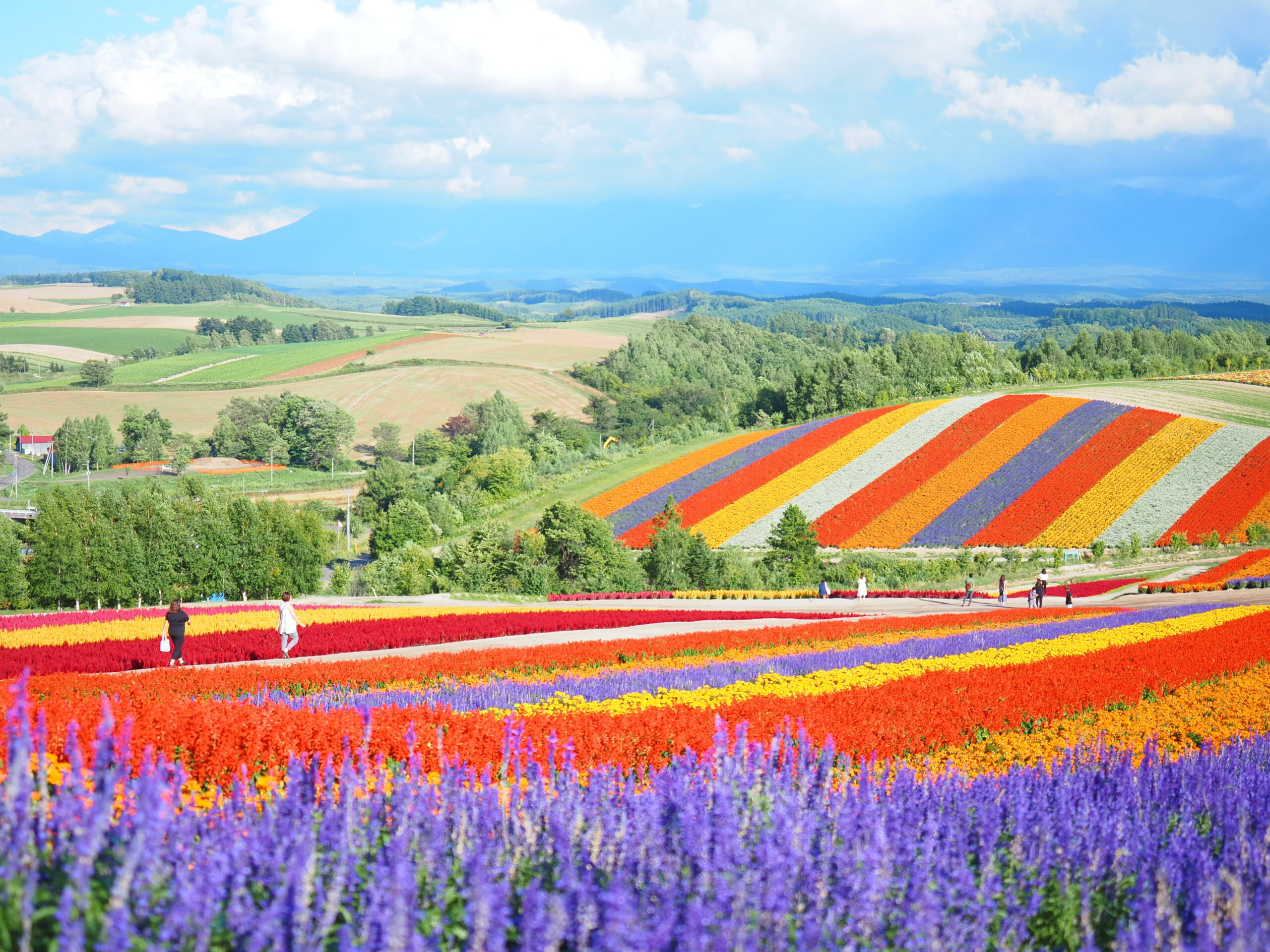
 - Farm Tomita (Furano): Famous for lavender fields peaking in July. It is synonymous with Hokkaido’s summer.
- Blue Pond (Biei): A mystical pond with cobalt blue water and withered larch trees.
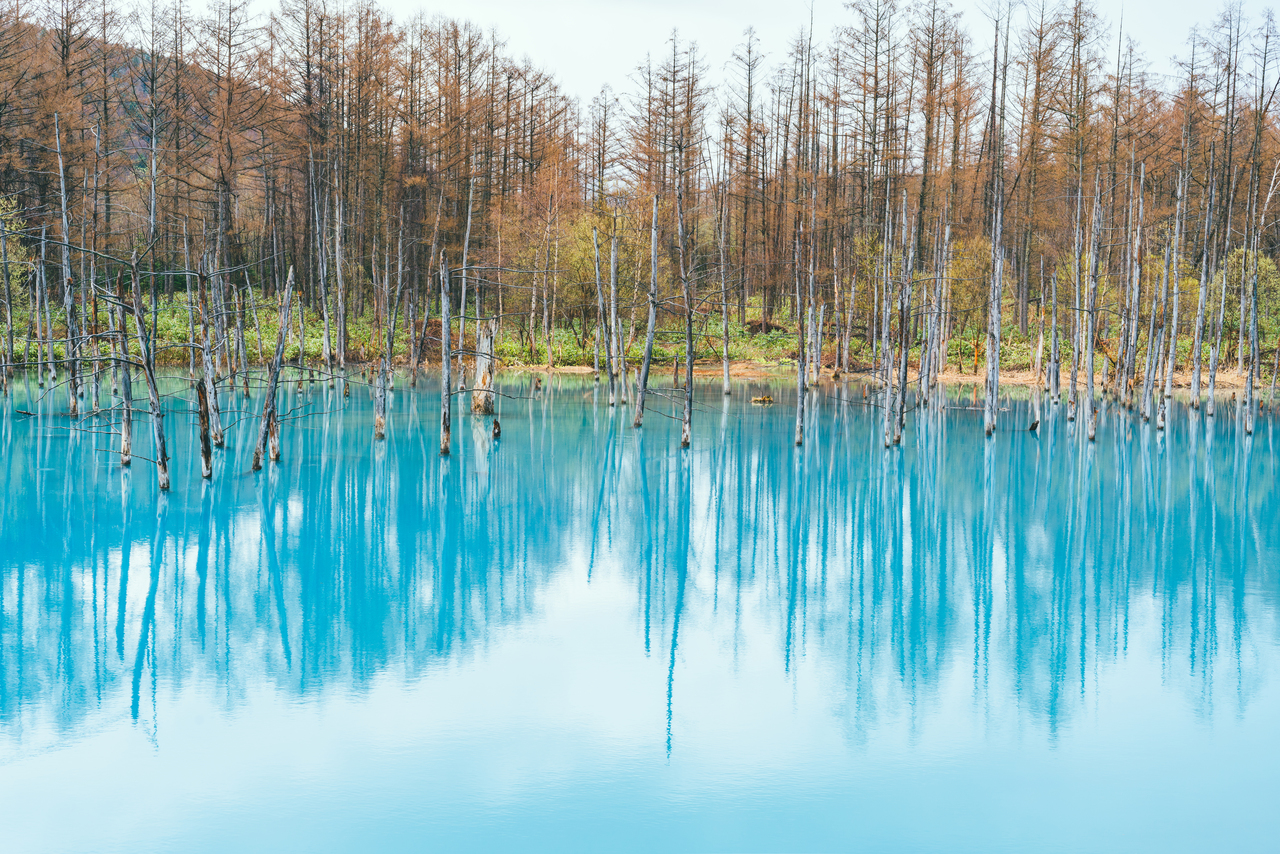 A Sea of Blue © F_Photo CC BY 4.0
 - Asahiyama Zoo (Asahikawa): Famous for its “behavioral exhibits” that show animals in their natural state.
- Shiretoko Five Lakes (Shiretoko): A World Natural Heritage site with elevated wooden paths for experiencing wilderness safely.
- Niseko (Niseko): A global mecca for powder snow. Rafting is popular in summer.
- Noboribetsu Jigokudani (Noboribetsu): The steam rising from the volcanic craters resembles “Hell”.
- Lake Toya (Toya): A beautiful caldera lake near the active volcano Mt. Usu. Fireworks are held every night in summer.
Seasonal Highlights
- Cherry Blossoms: Goryokaku Park (Hakodate), Hokkaido Shrine (Sapporo). Best seen late April to early May.
- Autumn Leaves: Jozankei Onsen (Sapporo), Daisetsuzan (Asahidake). Best seen mid-September to mid-October.
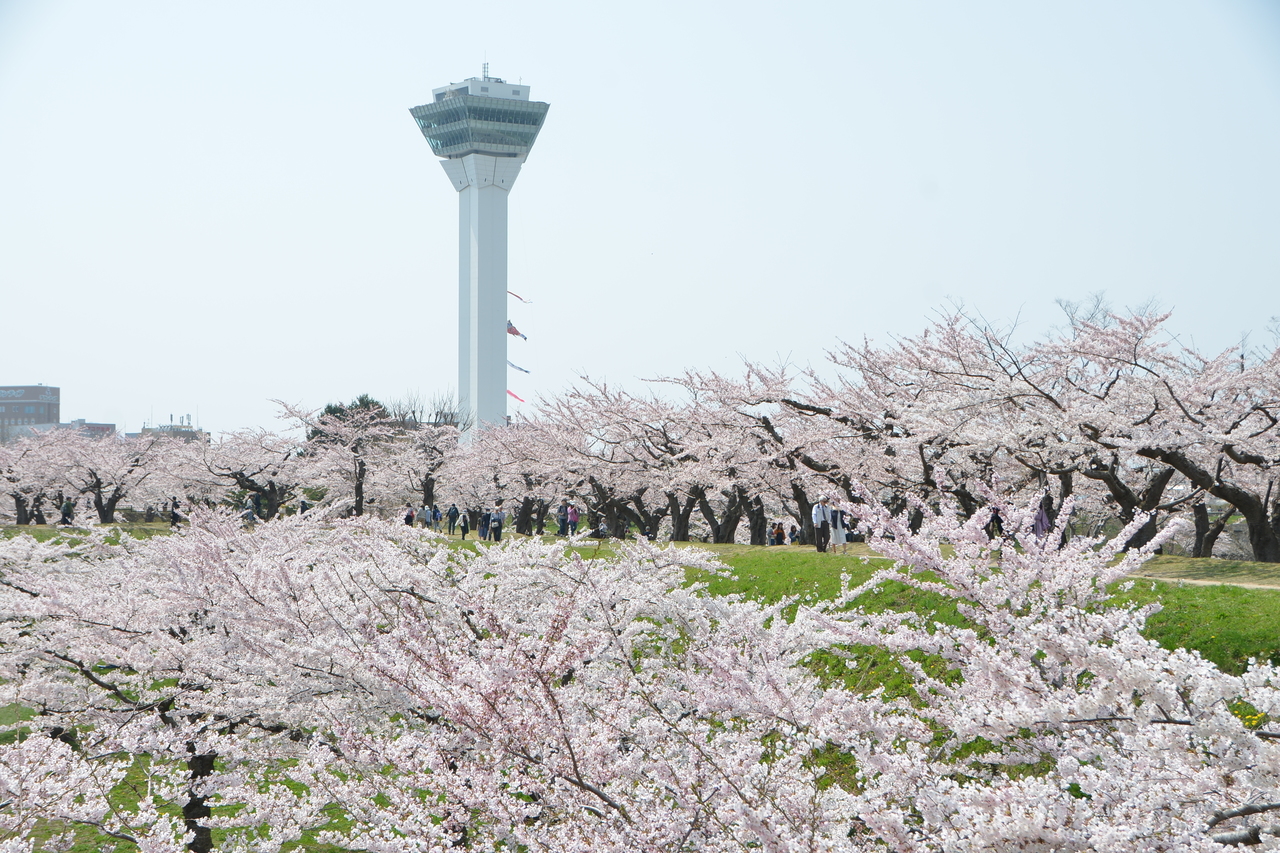
Cherry blossoms in full bloom at Goryokaku © Goryokaku-Tower CC BY 4.0
Event Calendar
- February: Sapporo Snow Festival
- May: Sapporo Lilac Festival
- June: YOSAKOI Soran Festival (Sapporo)
- July: Hokkai Heso Festival (Furano)
- August: Hakodate Port Festival
Must-Try Gourmet & Souvenirs
- Gourmet: Genghis Khan (grilled mutton), Sapporo Miso Ramen, Soup Curry, Seafood Bowls, Dairy products.
- Souvenirs: Shiroi Koibito, Jaga Pokkuru, Rokkatei Butter Sand, Royce’ Nama Chocolate.
3. Relaxing Moments: Top 5 Onsen Areas
Hokkaido is one of Japan’s premier onsen paradises, combining quality springs with stunning views.
| Onsen Area | Features |
|---|---|
| Noboribetsu Onsen | Known as a “department store of hot springs” for its many spring types. Jigokudani offers a powerful view. |
| Jozankei Onsen | An hour from Sapporo, known as the “Back Parlor of Sapporo” in a scenic valley. |
| Lake Toya Onsen | Many open-air baths overlooking the lake. Long-run fireworks can be seen from some hotel rooms in summer. |
| Yunokawa Onsen | Just 5 minutes from Hakodate Airport. Offers views of the Tsugaru Strait. |
| Lake Akan Onsen | The representative of eastern Hokkaido. Located by the lake where Marimo moss balls live, with opportunities to experience Ainu culture. |
4. Essential History and Traditional Crafts
History and Historical Sites
Hokkaido was once called “Ezochi,” where the indigenous Ainu people built a unique culture. The history of pioneering since the Meiji era is also vital.
- Historical Village of Hokkaido (Sapporo): An open-air museum with restored buildings from the Meiji to early Showa eras. A popular “Golden Kamuy” pilgrimage site.
- Upopoy (National Ainu Museum and Park) (Shiraoi): A national center for learning and experiencing Ainu culture.
- Goryokaku (Hakodate): A star-shaped fort that was the stage for the Battle of Hakodate.
Historical Goryokaku Site (Hakodate)
Traditional Crafts
- Wood-carved Bears: A staple Hokkaido souvenir originating from Yakumo Town.
- Otaru Glass: Once famous for oil lamps and fishing floats, now popular as beautiful glassware.
- Nibutani-ita & Attus: Trays and textiles with Ainu patterns from Nibutani, Biratori Town.
5. Expert Recommendations: Model Travel Routes
To prevent the common mistake of “underestimating travel distances,” I propose these realistic and highly satisfying routes.
① Royal Popular Course (3 Days, 2 Nights)
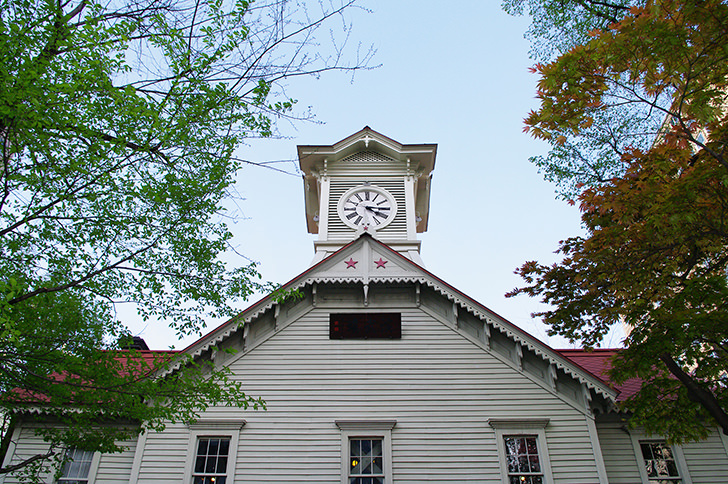
Theme: First time in Hokkaido! The Sapporo & Otaru Golden Route
- Day 1: Arrive New Chitose → Sapporo sightseeing (Clock Tower, TV Tower) → Genghis Khan & Miso Ramen in Susukino
- Day 2: Train to Otaru (~40 min) → Canal walk, sushi lunch, glass craft experience → Return to Sapporo
- Day 3: Seafood bowl at Sapporo Jogai Market → Shiroi Koibito Park → Souvenirs at New Chitose Airport → Departure
② Royal Popular Course (4 Days, 3 Nights)
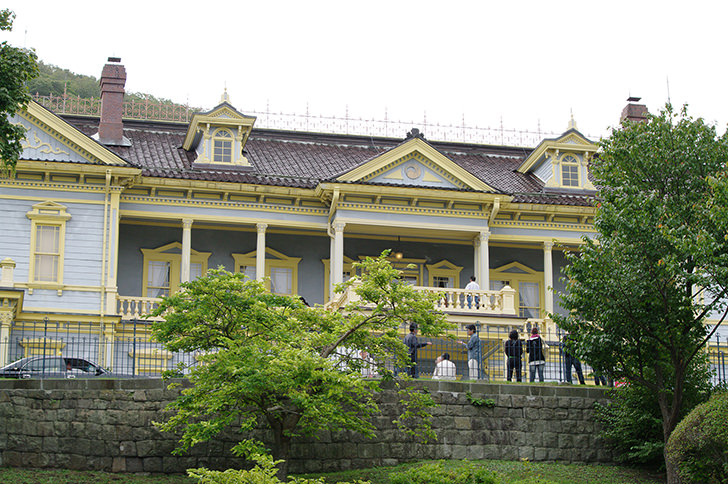
Theme: City-to-city travel! Hakodate, Sapporo, & Otaru Tour
- Day 1: Arrive Hakodate → Goryokaku Tower → Mt. Hakodate Night View → Stay in Yunokawa Onsen
- Day 2: Hakodate Morning Market → Limited Express Hokto to Sapporo (~4h scenic ride) → Sapporo Night Parfait → Stay in Sapporo
- Day 3: Day trip to Otaru → Move to Jozankei Onsen for a relaxing stay
- Day 4: Hitsujigaoka Observation Hill (Clark Statue) → Airport ramen or onsen → Departure
③ Nature Lovers Course (3 Days, 2 Nights)
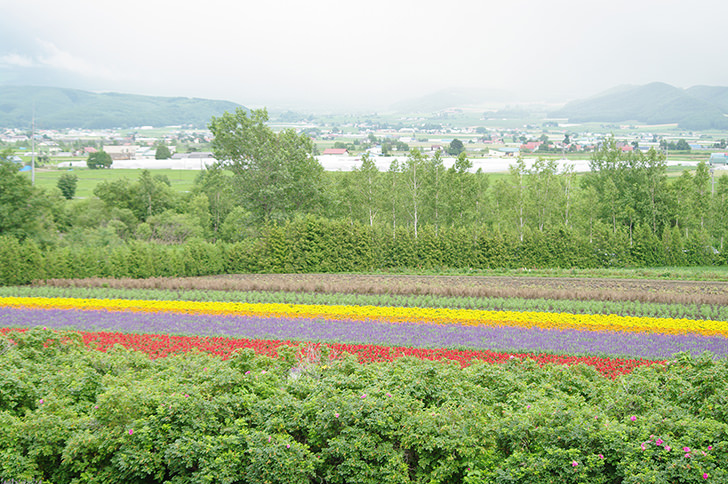
Theme: Summer Views! Furano & Biei Hill Tour (Rental car recommended)
- Day 1: Arrive Asahikawa → Asahiyama Zoo → Asahikawa Ramen → Stay in Asahikawa
- Day 2: Drive to Biei (Patchwork Road, Blue Pond) → Furano (Farm Tomita) → Stay in Furano
- Day 3: Furano Cheese Factory → Ningle Terrace → Head to Asahikawa or New Chitose Airport (~2.5h to New Chitose) → Departure
④ Activity Experience Course (3 Days, 2 Nights)
Theme: Playing in Nature! Niseko & Lake Toya Resort
- Day 1: Arrive New Chitose → Bus to Niseko → Rafting or trekking experience → Stay in Niseko
- Day 2: Hot air balloon in Niseko → Drive/Bus to Lake Toya → Mt. Usu Ropeway → Stay in Lake Toya (Fireworks)
- Day 3: Lake Toya canoeing or Silo Observatory → New Chitose Airport → Departure
The greatest “enemy” of a Hokkaido trip is travel distance. Even if spots look close on a map, the distance can be equivalent to traveling from Tokyo to Nagoya. The key to success is narrowing your focus area rather than trying to visit eastern (Shiretoko) and southern (Hakodate) Hokkaido at once. In winter, plan with extra time for potential transport delays.