“I bought the Japan Rail Pass (JR Pass), but I had to pay extra for private trains to get to Hakone and Nikko…”
This is a common mistake made by travelers visiting Japan. While the JR Pass is a powerful ticket, famous sightseeing spots near Tokyo (like the Hakone Tozan Train or buses around Nikko Toshogu Shrine) are often operated by private companies, meaning they are not covered by the pass.
However, rest assured. There are world-class Onsen (hot spring) towns you can access using ONLY the Japan Rail Pass without paying a single extra yen.
In this article, I will introduce 5 authentic Onsen towns you can reach by fully utilizing the Shinkansen, Limited Express trains, and the lesser-known “JR Bus.”
💡 Quick Answer: Best Onsen List for JR Pass Holders
Here are the 5 best towns accessible with NO extra fees (no private train/bus surcharges):
- ✅ Kusatsu Onsen (Gunma): Fully covered via Express train + JR Bus.
- ✅ Atami Onsen (Shizuoka): 45 mins from Tokyo via “Kodama” Shinkansen.
- ✅ Echigo-Yuzawa (Niigata): Direct Shinkansen access. Snow country & Sake.
- ✅ Nasu-Shiobara (Tochigi): Imperial resort area. Accessible via Shinkansen + JR Bus.
- ✅ Ito Onsen (Shizuoka): Direct access via “Odoriko” Express.
JR Pass Value Comparison Table
| Onsen Town | Time from Tokyo | Access Route (100% JR Pass) | Vibe |
|---|---|---|---|
| 1. Kusatsu | Approx. 2.5 hrs | Ltd. Exp “Kusatsu-Shima” + JR Bus | Traditional, Yubatake, Acidic Water |
| 2. Atami | Approx. 45 mins | Tokaido Shinkansen (Kodama) | Ocean, Fireworks, Retro |
| 3. Echigo-Yuzawa | Approx. 70 mins | Joetsu Shinkansen | Snow Country, Sake, Station Mall |
| 4. Nasu-Shiobara | Approx. 2 hrs | Tohoku Shinkansen + JR Bus | Nature, Valley, Imperial |
| 5. Ito | Approx. 1.5 hrs | Ltd. Exp “Odoriko” | Historic Ryokans, Port Town |
1. Kusatsu Onsen (Gunma): The King of Onsen
Why Locals Love It?
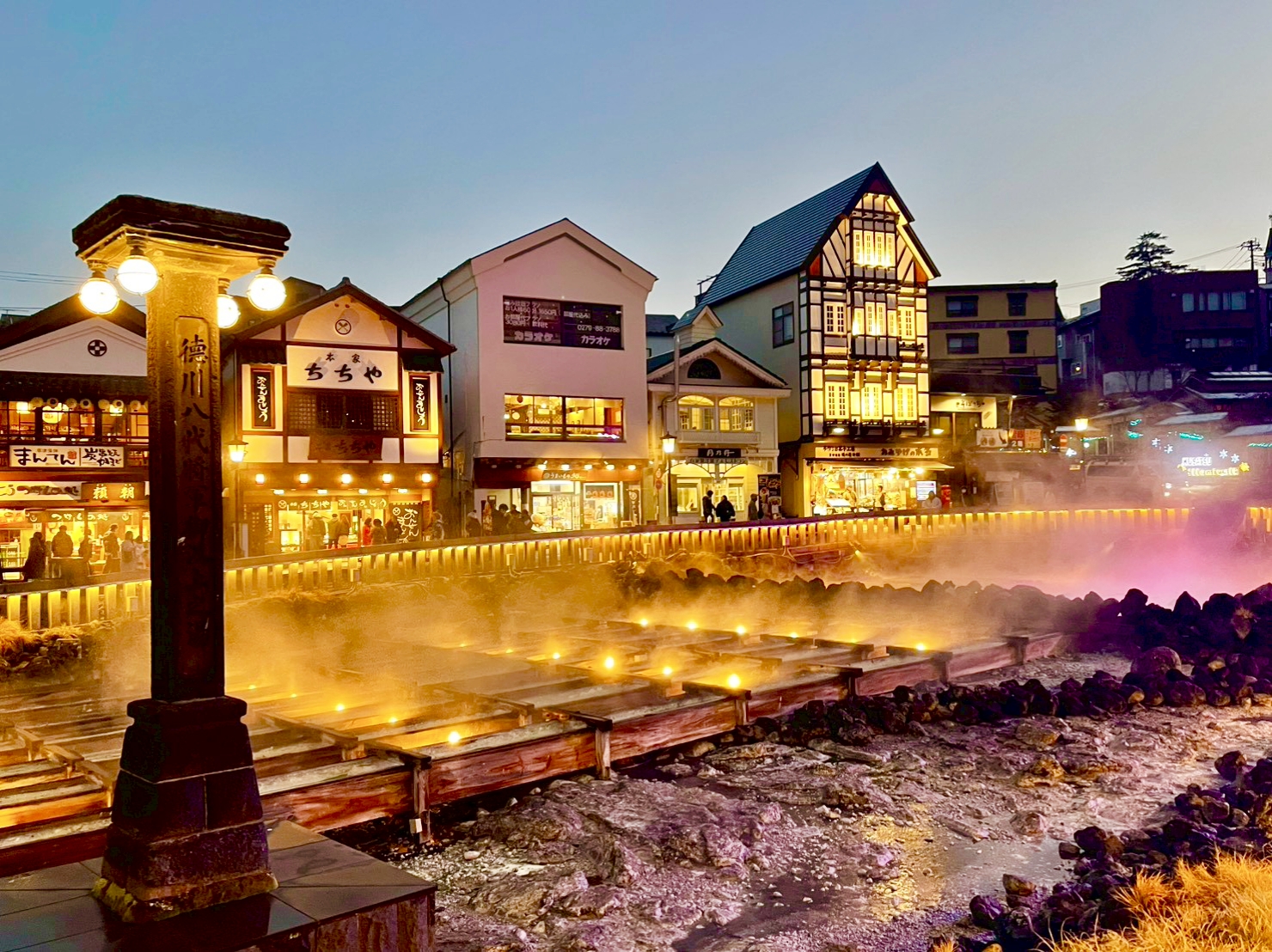
Kusatsu Onsen has held the #1 spot in Japan’s Onsen rankings for many years. It is known as the “King of Onsen.” Since the Edo period, locals have believed its strong acidic water “can cure any illness except lovesickness.”
The “Yubatake” (Hot Water Field) in the center of town is a masterpiece. 32,300 liters of hot water gush out every minute, creating a river of steam—a sight you won’t find anywhere else in the world. Also, don’t miss the “Yumomi” performance, a traditional method of cooling down the hot water using large wooden paddles.
🚅 How to Access for FREE with JR Pass
Many guidebooks state that “bus fare is extra,” but the National JR Pass actually covers the “JR Bus Kanto” required to get here.
- From Tokyo or Ueno Station, take the Limited Express “Kusatsu-Shima.”
- Get off at Naganohara-Kusatsuguchi Station.
- From the station, take the JR Bus Kanto bound for “Kusatsu Onsen” (approx. 25 mins).
※Show your JR Pass to the driver when boarding/alighting the bus.
2. Atami Onsen (Shizuoka): Ocean, Fireworks, and History
Why Locals Love It?
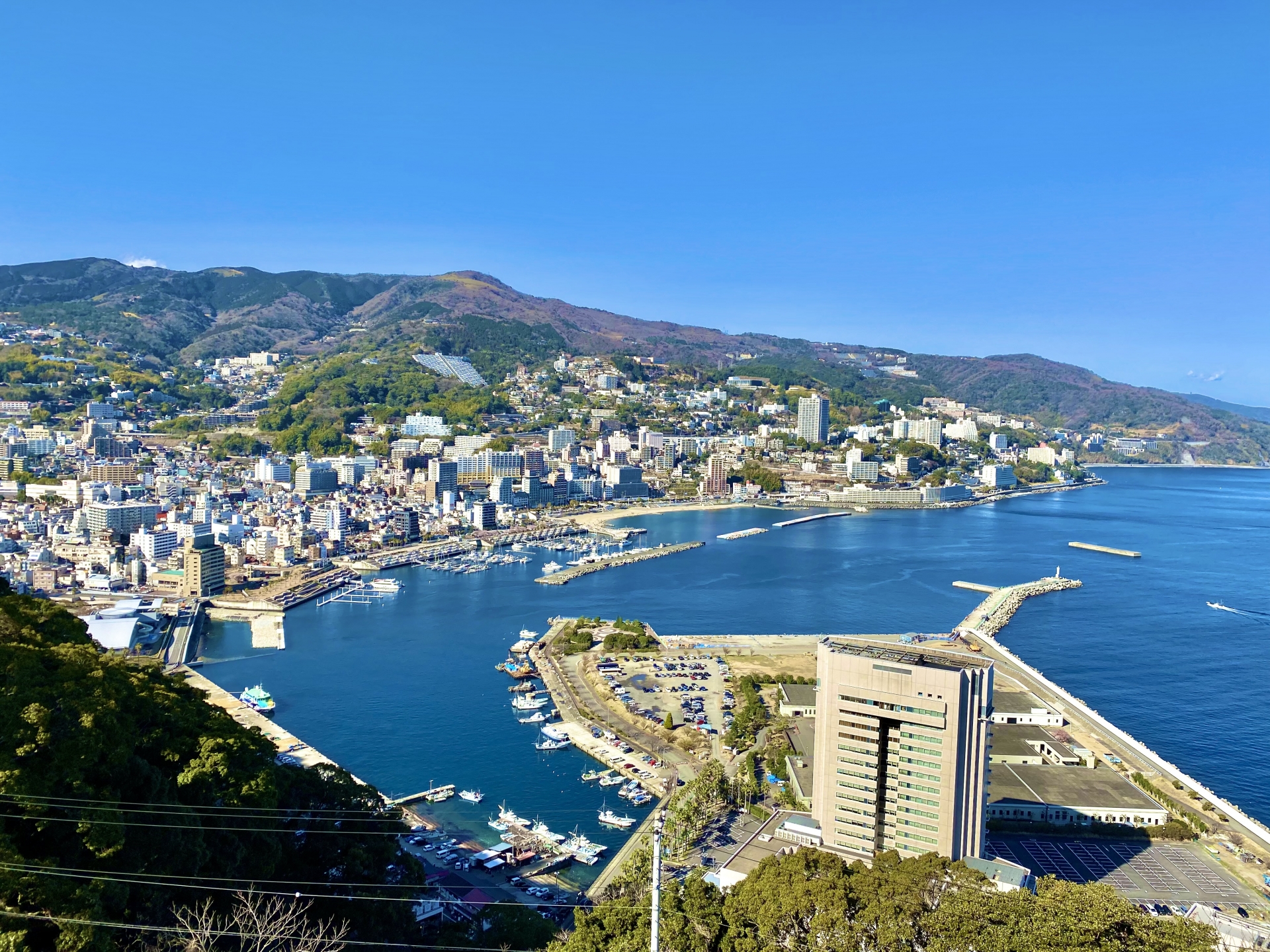
Atami is a historic resort area loved by Tokugawa Ieyasu, the ruler who governed Japan in the 1600s. It is the closest authentic Onsen resort to Tokyo, offering stunning ocean views.
A unique feature of this town is the “Atami Marine Fireworks Festival,” held throughout the year, not just in summer. The mortar-shaped terrain creates a stadium-like acoustic effect, allowing you to feel the power of the fireworks with your whole body.
🚅 How to Access for FREE with JR Pass
Using the Shinkansen, you can easily stop by after shopping in Tokyo.
- From Tokyo or Shinagawa Station, take the Tokaido Shinkansen “Kodama” or “Hikari.”
- Arrive at Atami Station in just about 45 minutes.
※Note: The “Nozomi” Shinkansen does NOT stop at Atami.
3. Echigo-Yuzawa (Niigata): Snow Country Beyond the Tunnel
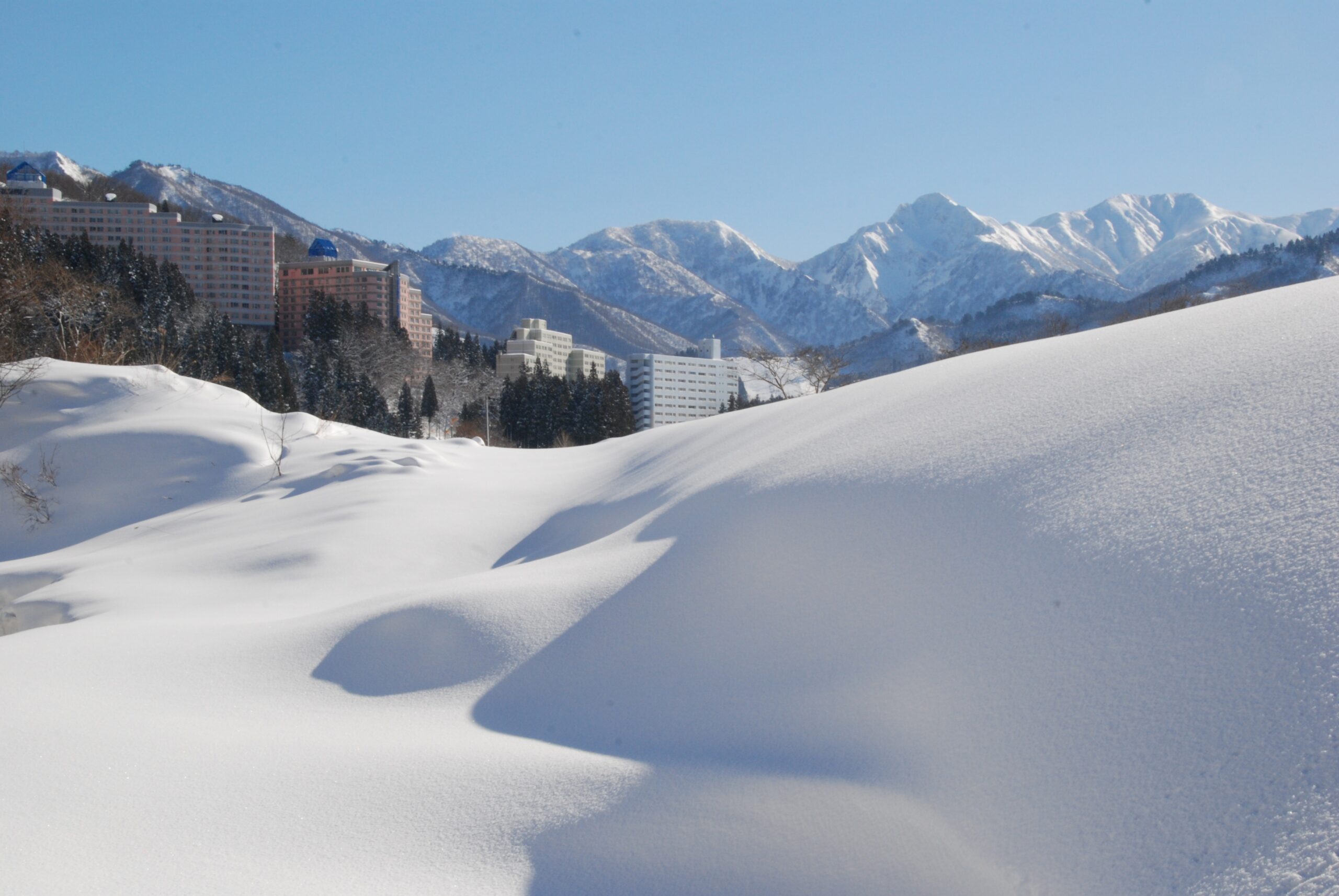
Why Locals Love It?
This town is world-famous as the setting for Nobel Prize winner Yasunari Kawabata’s novel “Snow Country.” Even if there is no snow in Tokyo, a 70-minute Shinkansen ride will transport you to a magical silver world.
This is also the gateway to Niigata Prefecture, Japan’s premier rice-growing region. Inside the station at “Ponshukan,” you can taste-test Sake from all the breweries in Niigata for just 500 yen. Skiing, Sake, and Onsen—this is the real thrill of Japanese winter.
🚅 How to Access for FREE with JR Pass
- From Tokyo or Ueno Station, take the Joetsu Shinkansen “Tanigawa” or “Toki.”
- Get off at Echigo-Yuzawa Station.
- Many Onsen Ryokans are within walking distance or offer free shuttle buses.
4. Nasu-Shiobara (Tochigi): The Emperor’s Beloved Valley Retreat
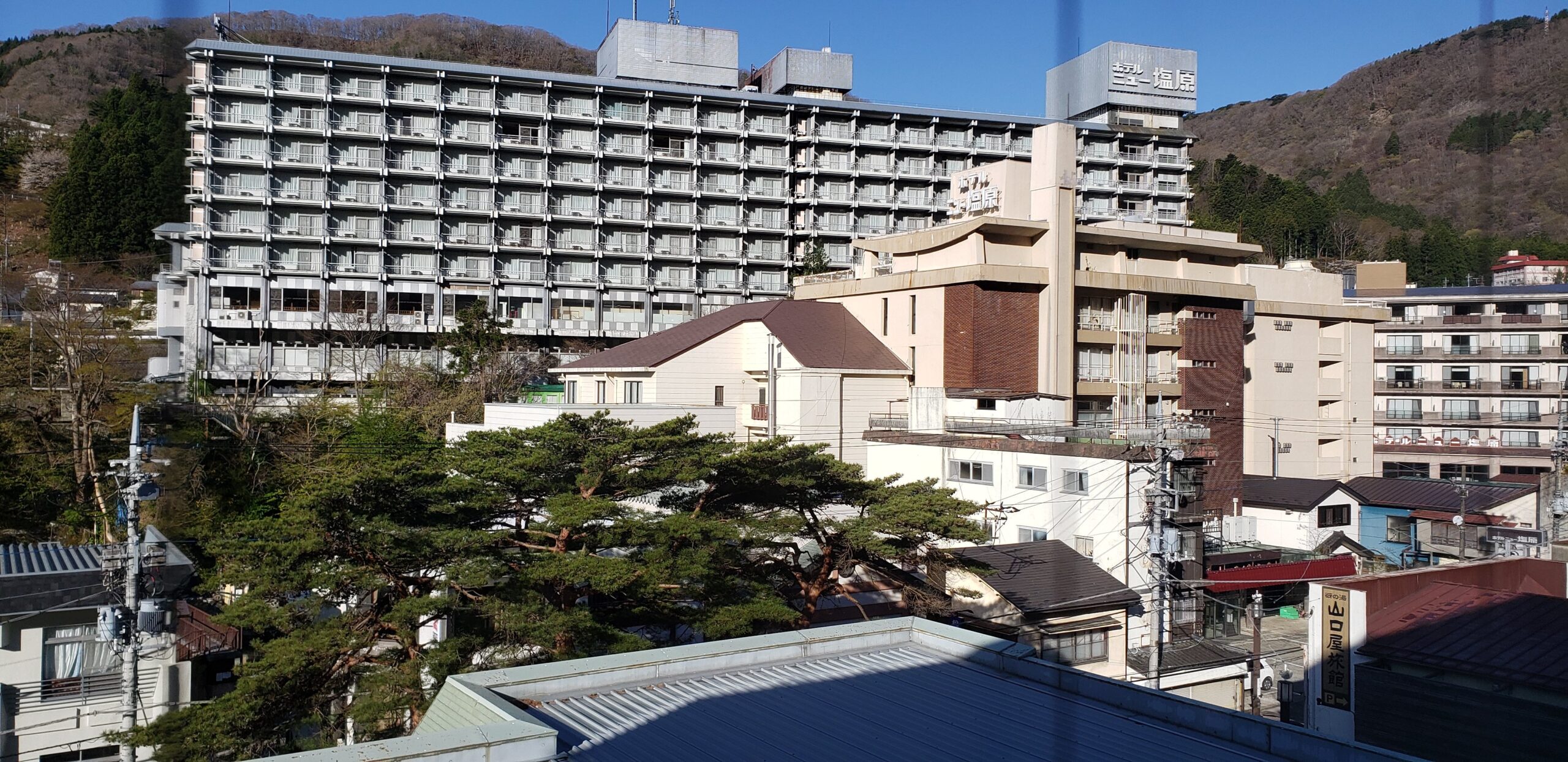
Why Locals Love It?
This area is home to the Imperial Family’s villa (Nasu Imperial Villa) and has long been known as a sophisticated retreat. The Shiobara area is located along a deep valley, offering breathtaking natural beauty in every season, especially the autumn leaves.
Known as “Shiobara Eleven Onsen,” there are 11 different types of hot spring water qualities gushing out within this small area. From milky white water to clear skin-beautifying water, it is perfect for Onsen hopping.
🚅 How to Access for FREE with JR Pass
The “JR Bus” plays a key role here as well.
- From Tokyo Station, take the Tohoku Shinkansen “Nasuno” or “Yamabiko.”
- Get off at Nasushiobara Station.
- From the station, take the JR Bus bound for “Shiobara Onsen” (approx. 60 mins).
※This bus route is also fully covered by the JR Pass.
5. Ito Onsen (Shizuoka): A Town with Retro Showa Era Charm
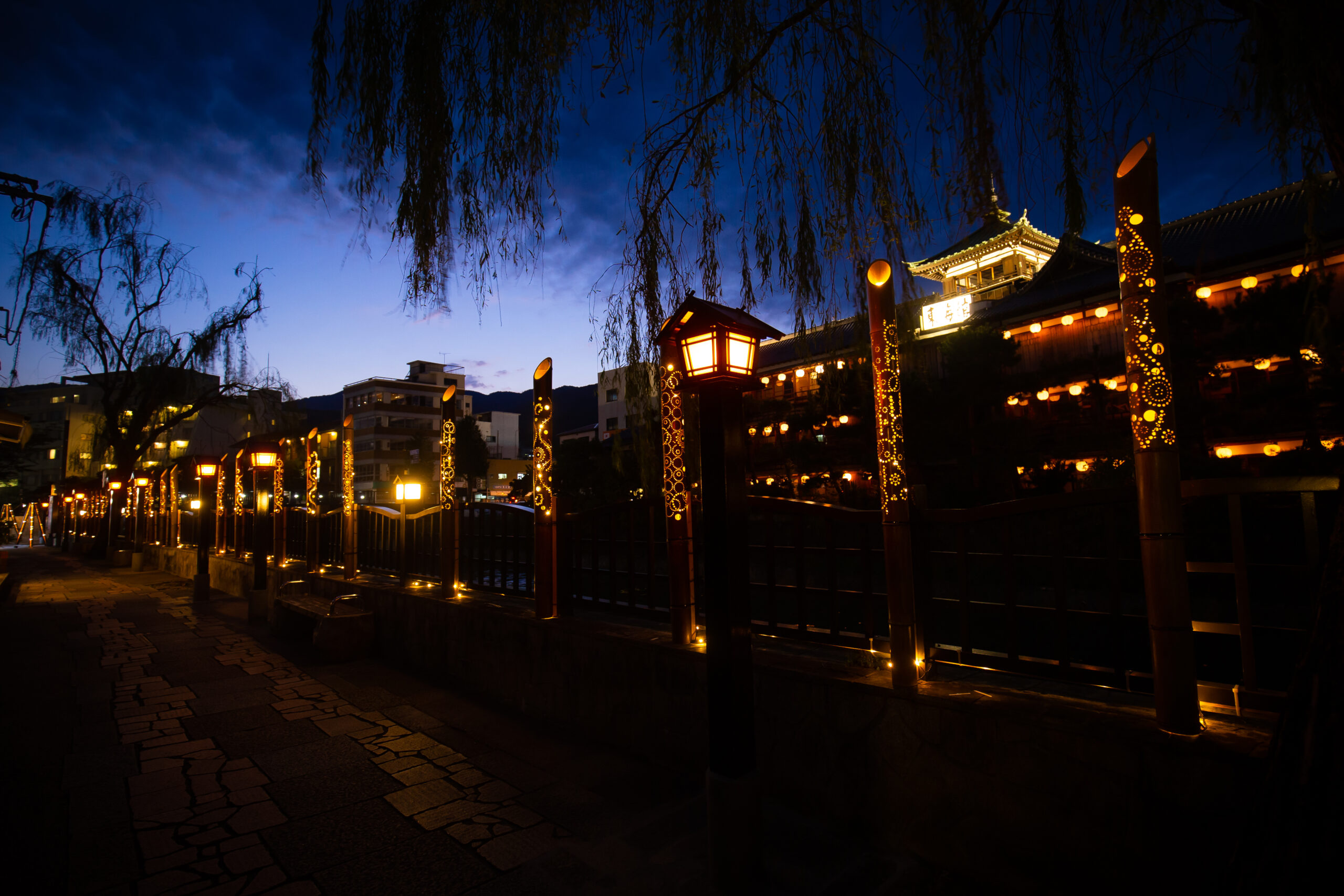
Why Locals Love It?
Ito Onsen boasts one of Japan’s highest water volumes, with about 30,000 liters gushing out per minute. Because of this abundance, many Ryokans offer “Gensen Kakenagashi” (100% fresh free-flowing hot spring water) without recycling or adding tap water.
A must-see is the “Tokaikan,” a wooden Ryokan built in 1928 (now open to the public as a cultural facility). The architectural beauty, showcasing traditional Japanese craftsmanship, is perfect for photography.
🚅 How to Access for FREE with JR Pass
While the private “Izu Kyuko Line” heading further south (to Shimoda, etc.) is NOT covered by the JR Pass, the line up to Ito Station is operated by JR.
- From Tokyo Station, take the Limited Express “Odoriko.”
- Go directly to Ito Station without transferring (approx. 1 hr 45 mins).
※This station is the border of the JR line. If you don’t want to pay extra, Ito is the smart choice.
Essential Cultural Tips for Onsen
To enjoy Onsen comfortably, please remember these two important rules.
🚫 The “Naked” Rule (No Swimwear)
In traditional Japanese Onsens, wearing swimwear is prohibited. Do not put your towel in the bathtub either; place it on your head or on the edge of the tub. It is good manners to wash your body thoroughly before entering the bath to keep the water clean.
🎨 Tattoo Policy
Due to historical backgrounds, many public bathhouses refuse entry to guests with tattoos. If you have tattoos, we strongly recommend booking a Ryokan that offers “Private Onsen / Kashikiri-buro” (private rental baths).
FAQ: Frequently Asked Questions
Q1. Can I go to Hakone with the JR Pass?
A. Only halfway.
You can use the JR Pass to take the Shinkansen to “Odawara Station,” but the trains and buses climbing the mountain into Hakone (operated by the Odakyu Group) are NOT covered. If you want to travel without extra fees, we recommend the 5 Onsen towns listed above.
Q2. Do I need to reserve seats for Express trains and Shinkansen?
A. It is highly recommended.
If you have a JR Pass, seat reservations are free. Trains like the “Odoriko” and Shinkansen can get crowded, so secure your seat at a ticket machine or counter before boarding.
Q3. Is it possible to visit as a day trip?
A. Yes, it is possible.
All 5 locations introduced here are within 2.5 hours one-way from Tokyo. However, the true essence of Japanese Onsen culture lies in wearing a Yukata and eating a Kaiseki meal in a tatami room, so we recommend staying at least one night.