Hi, I’m Hiro, a travel professional (Certified Domestic Travel Service Supervisor). “Shikoku” is the smallest of Japan’s four main islands, yet the density of its charm is immeasurable. It is home to Dogo Onsen, said to be Japan’s oldest hot spring; the Shimanami Kaido, a holy land for cyclists; and the Henro (Pilgrimage) culture associated with Kobo Daishi (Kukai).
Surrounded by the dynamic Pacific Ocean and the calm Seto Inland Sea, Shikoku preserves untouched hidden gems in its interior. The four prefectures each have strong, distinct personalities: Kagawa (“Udon Prefecture”), Tokushima (“Awa Odori” Dance), Kochi (“Sakamoto Ryoma”), and Ehime (“Land of Mandarin Oranges”). In this guide, I will thoroughly explain everything from access to scenic routes so that even first-time visitors can travel with peace of mind.
Table of Contents
1. Basic Information about Shikoku
Geography and Climate
Shikoku has the steep Shikoku Mountains running through its center, creating significantly different climates on either side. The northern side (Seto Inland Sea side: Kagawa, Northern Ehime) has little rain and is warm, while the southern side (Pacific Ocean side: Kochi, Southern Tokushima) has a lot of rain and can be in the path of typhoons. Kochi Prefecture, in particular, offers dynamic nature but requires attention to weather changes.
Average Temperature and Precipitation (Matsuyama)
Here is data for Matsuyama City (Ehime), the largest city in Shikoku. Please note that Kochi Prefecture has overwhelmingly higher precipitation than this.
| Month | Avg. Temp (°C) | Precipitation (mm) | Clothing Guide |
|---|---|---|---|
| Jan | 6.0 | 50 | Coat, scarf (Snow accumulation in mountain areas) |
| Apr | 15.0 | 100 | Light jacket, cardigan |
| Aug | 28.0 | 100 | Short sleeves, hat (Strong sunlight) |
| Oct | 19.0 | 110 | Long-sleeved shirt, hoodie |
Key Facts
- Population: Approx. 3.6 million (Major cities: Matsuyama ~500k, Takamatsu ~410k, Kochi ~320k, Tokushima ~250k)
- Major Airports: Matsuyama Airport (MYJ), Takamatsu Airport (TAK), Kochi Ryoma Airport (KCZ), Tokushima Awaodori Airport (TKS)
Access Information and Estimated Costs
Since the Shinkansen does not run through Shikoku, access from Honshu is via “Flight,” “Limited Express Train from Okayama Station (Marine Liner, etc.),” or “Highway Bus/Ferry.”
| From | To | Method | Travel Time | Estimated Cost (One Way) |
|---|---|---|---|---|
| Tokyo (Haneda) | Shikoku Airports | Flight | Approx. 1h 20m | ¥10,000–¥35,000 |
| Tokyo Station | Takamatsu (Kagawa) | Shinkansen + Rapid | Approx. 4h 30m | ¥18,000 (Transfer at Okayama) |
| Kansai Int’l Airport | Takamatsu/Tokushima | Limousine Bus | Approx. 3–4h | ¥4,000–¥5,000 |
| Hiroshima Port | Matsuyama Port | Super Jet (Ferry) | Approx. 1h 10m | ¥7,800 |
For international visitors, the “ALL SHIKOKU Rail Pass,” which offers unlimited rides on all JR Shikoku lines, is overwhelmingly economical. Also, since Shikoku has many scenic spots not served by trains, renting a car is strongly recommended for efficient touring.
2. 10 Must-Visit Sightseeing Spots in Shikoku
From historic hot springs to the latest spots called “Japan’s Uyuni Salt Flat,” here are the carefully selected highlights of Shikoku.
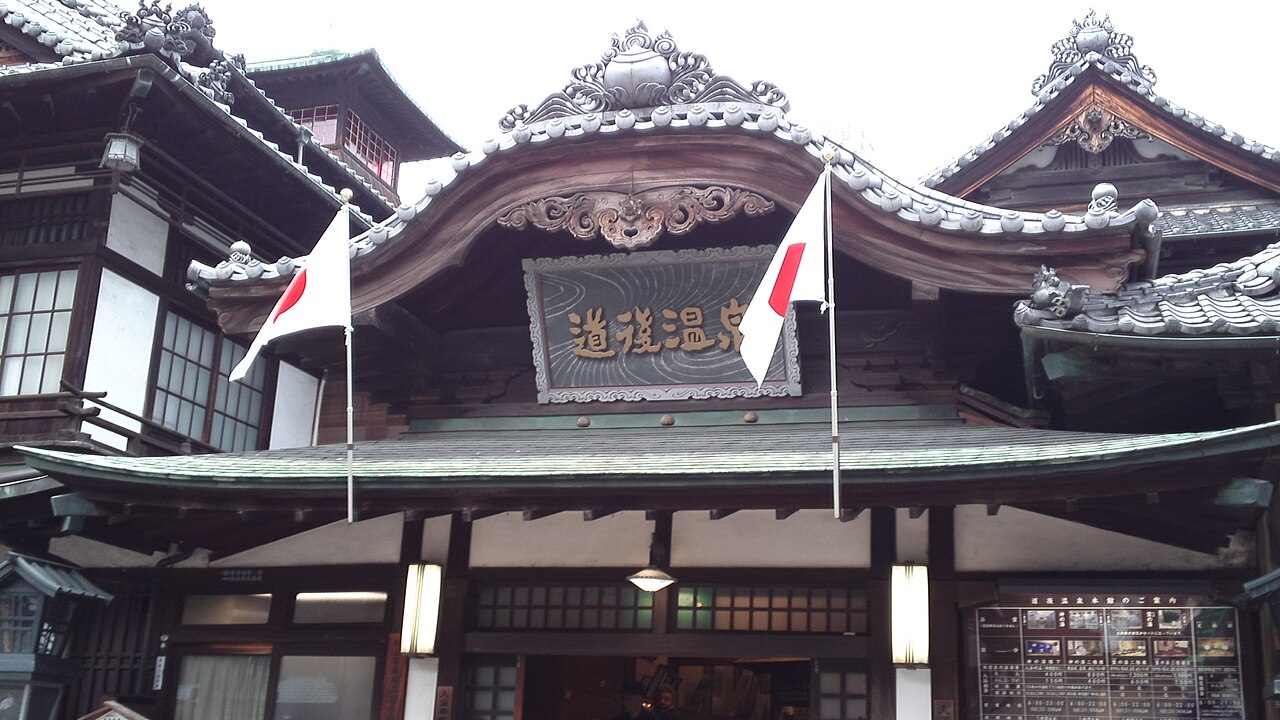
- Dogo Onsen Honkan (Ehime): A symbol of hot springs said to be the oldest in Japan. The wooden architecture, rumored to be one of the models for the Ghibli movie “Spirited Away,” is a masterpiece.
- Ritsurin Garden (Kagawa): A Special Place of Scenic Beauty also called a “National Treasure of Gardens.” A beautiful daimyo garden selected as “worth a special journey (three stars)” in the Michelin Green Guide Japan.
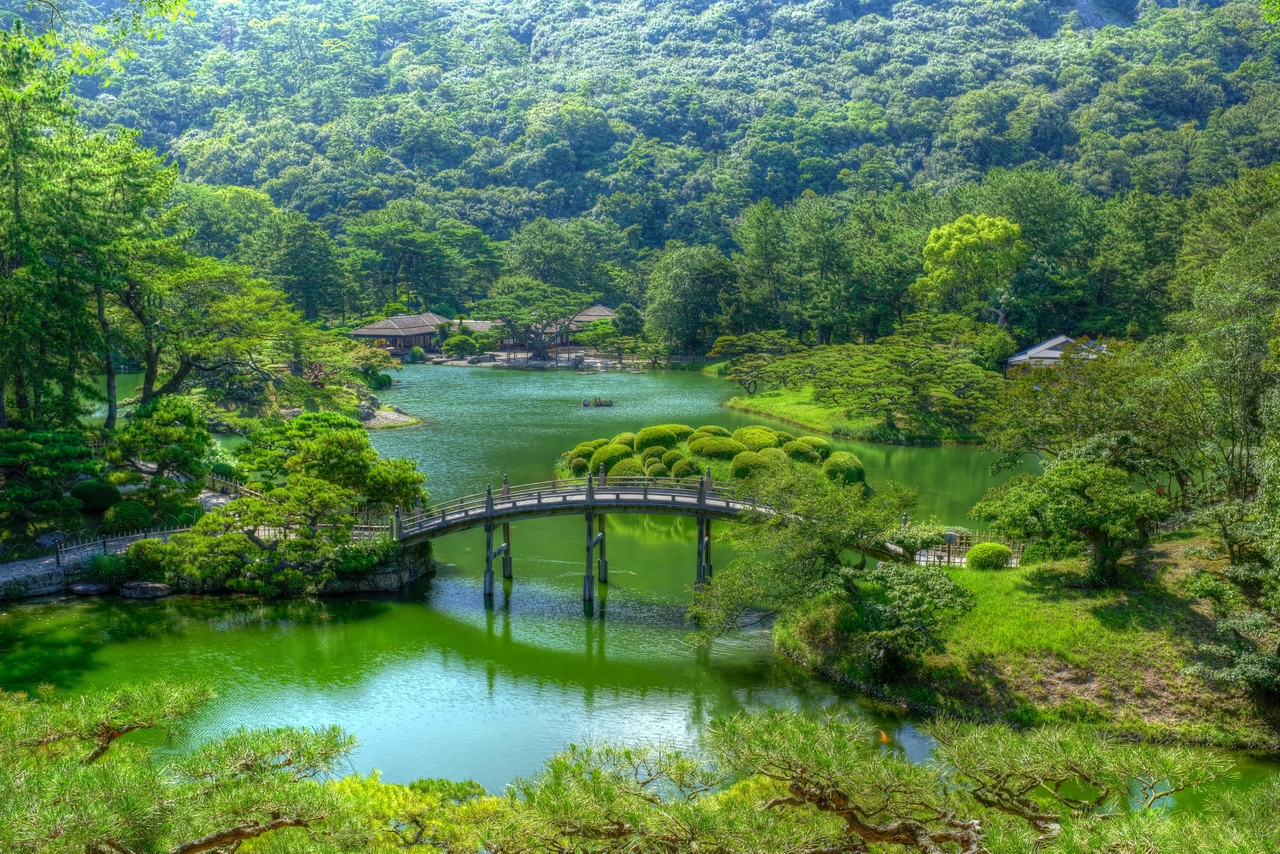
Ritsurin Garden… © Charlie_or_Y-N Creative Commons Attribution 4.0 International License
- Shimanami Kaido (Ehime/Hiroshima): A holy land for cyclists around the world, connecting islands of the Seto Inland Sea with 7 bridges. The exhilaration of riding a bicycle over the sea is exceptional.
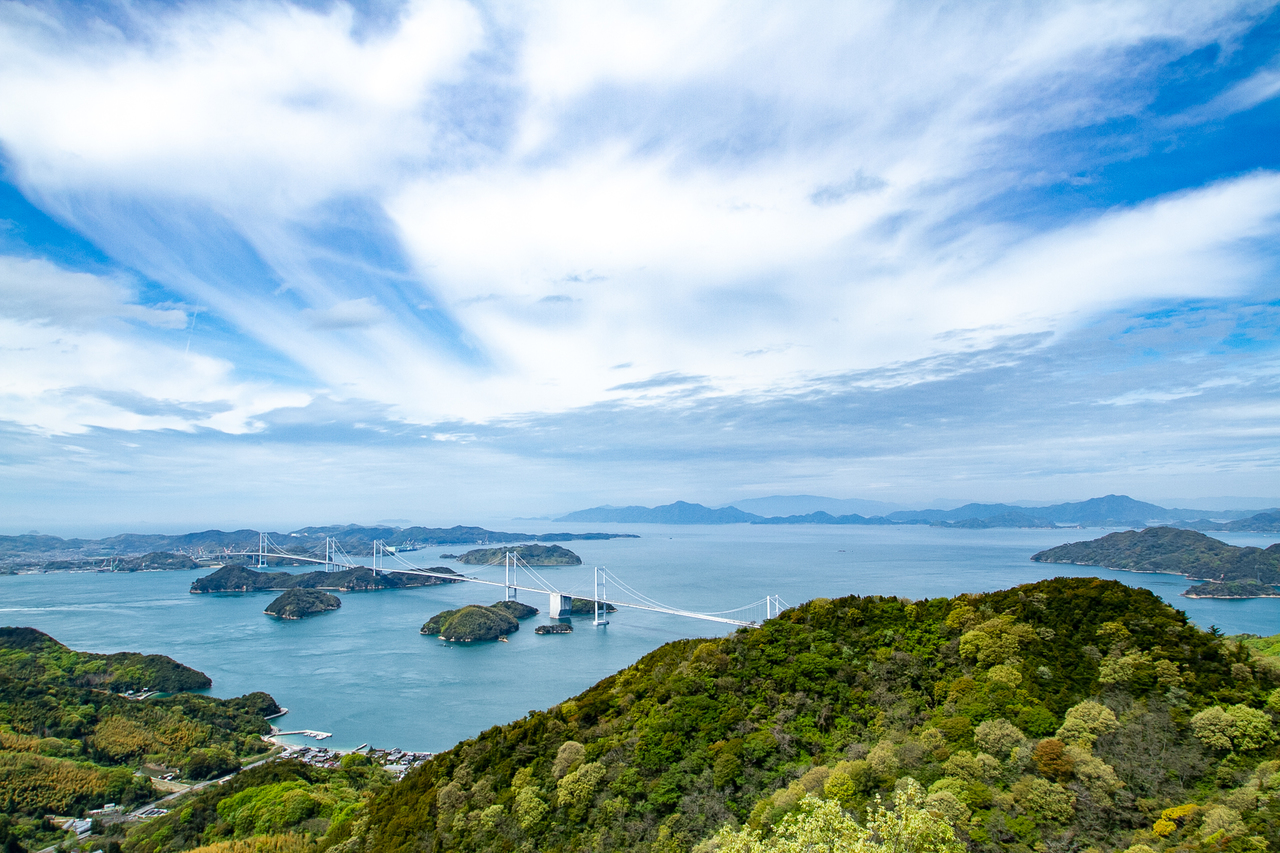
Bridges connecting the islands © m_someya Creative Commons Attribution 4.0 International License
- Iya Kazurabashi (Tokushima): One of Japan’s three hidden regions. A suspension bridge made of shirakuchikazura (vines) that sways creakily with every step, offering a thrilling experience.
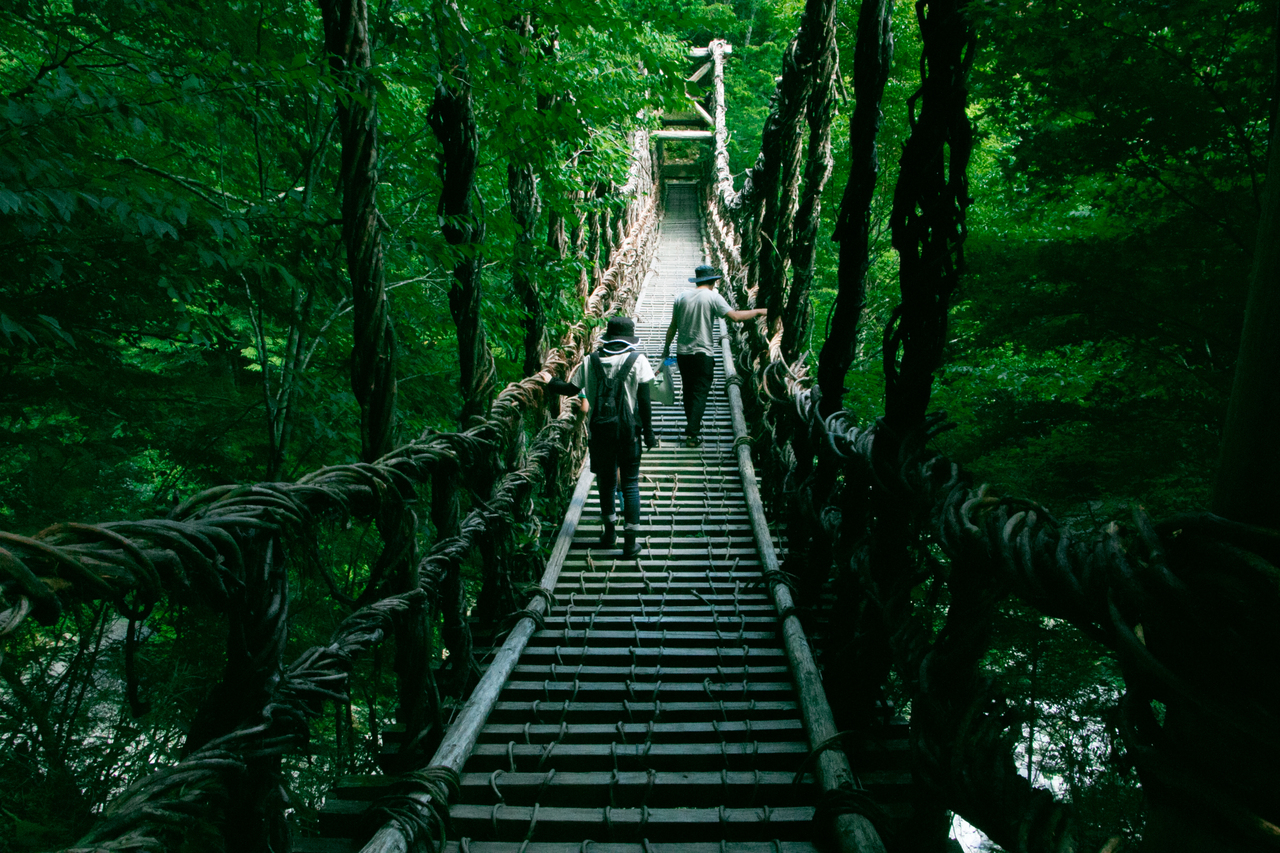
Suspension bridge in Iya (Iya Valley, Tokushima) © Kensuke_Nakaya Creative Commons Attribution 4.0 International License
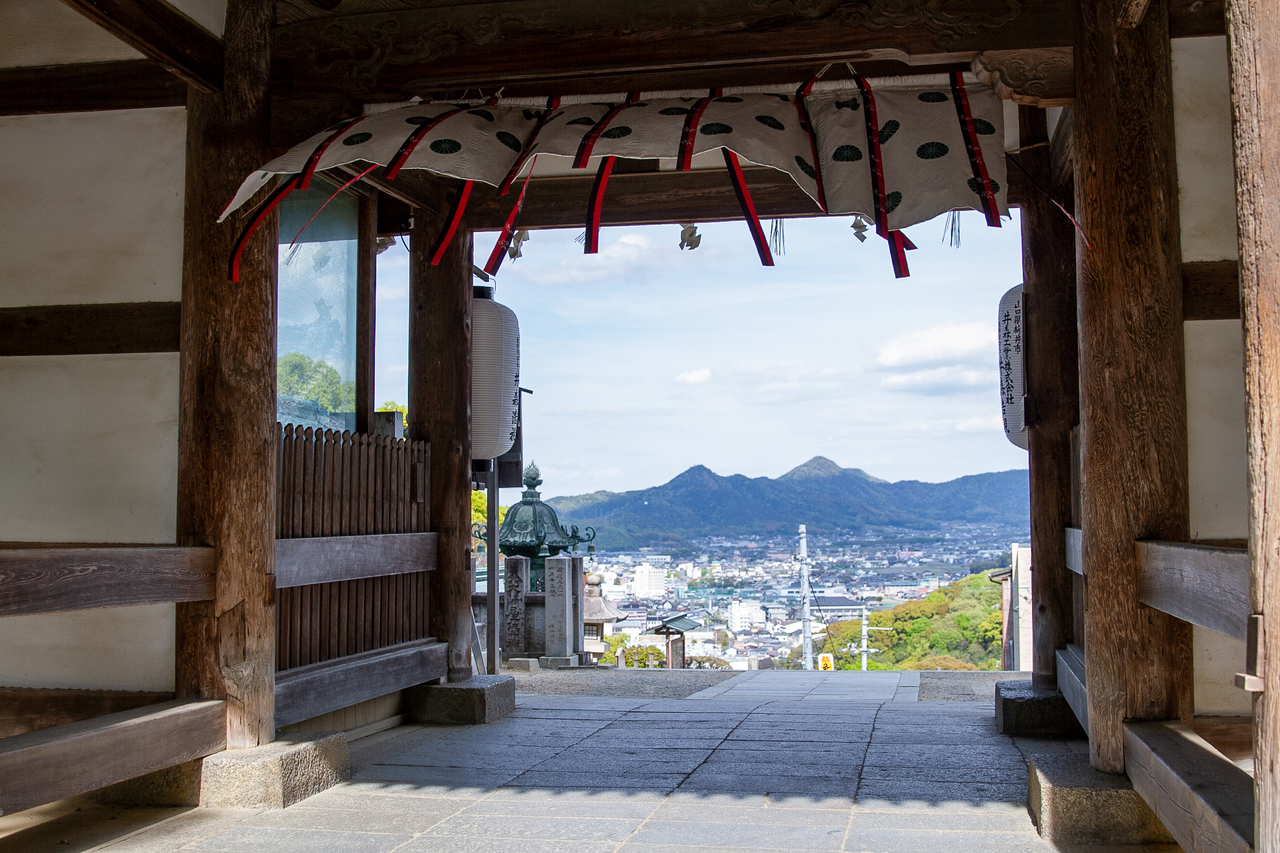
- Konpira-san (Kotohira-gu) (Kagawa): A shrine affectionately known as “Konpira-san” since the Edo period, said to be a place to visit “at least once in a lifetime.” A spectacular view awaits after climbing 785 stone steps to the main shrine and 1,368 to the inner shrine.
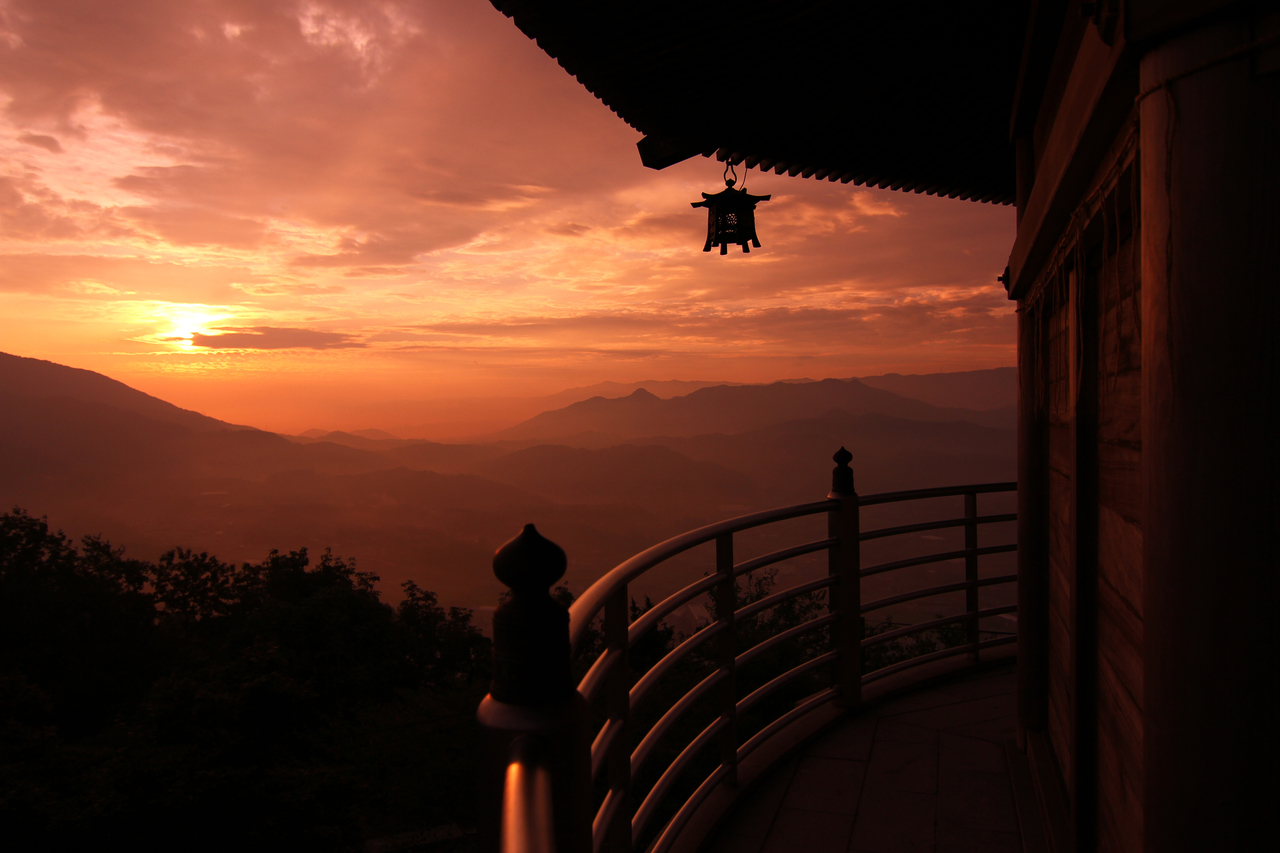
Konpira-gu Shrine © Japan Tourism Association Creative Commons Attribution 4.0 International License
- Naruto Whirlpools (Tokushima): One of the world’s three major currents. You can observe giant whirlpools up to 20m in diameter generated by violent tidal currents up close from sightseeing boats or the walkway “Uzu no Michi.”
- Chichibugahama (Kagawa): “Japan’s Uyuni Salt Flat” where the water surface reflects the sky like a mirror at sunset during low tide. A photo spot with explosive popularity on social media.
- Kochi Castle & Hirome Market (Kochi): Kochi Castle, one of the 12 existing castle towers in Japan, and the nearby “Hirome Market.” At the market, you can boldly enjoy the famous “Seared Bonito” (Katsuo no Tataki).
- Shimanto River (Kochi): A beautiful river called “Japan’s last clear stream.” The scenery with “Chinka Bridges” (submersible bridges) without railings is the very image of Japan’s original landscape.
- Shodoshima & Olive Park (Kagawa): An olive island floating in the Seto Inland Sea. There is a white Greek windmill, and photos jumping astride a broomstick like in “Kiki’s Delivery Service” are popular.
Seasonal Highlights
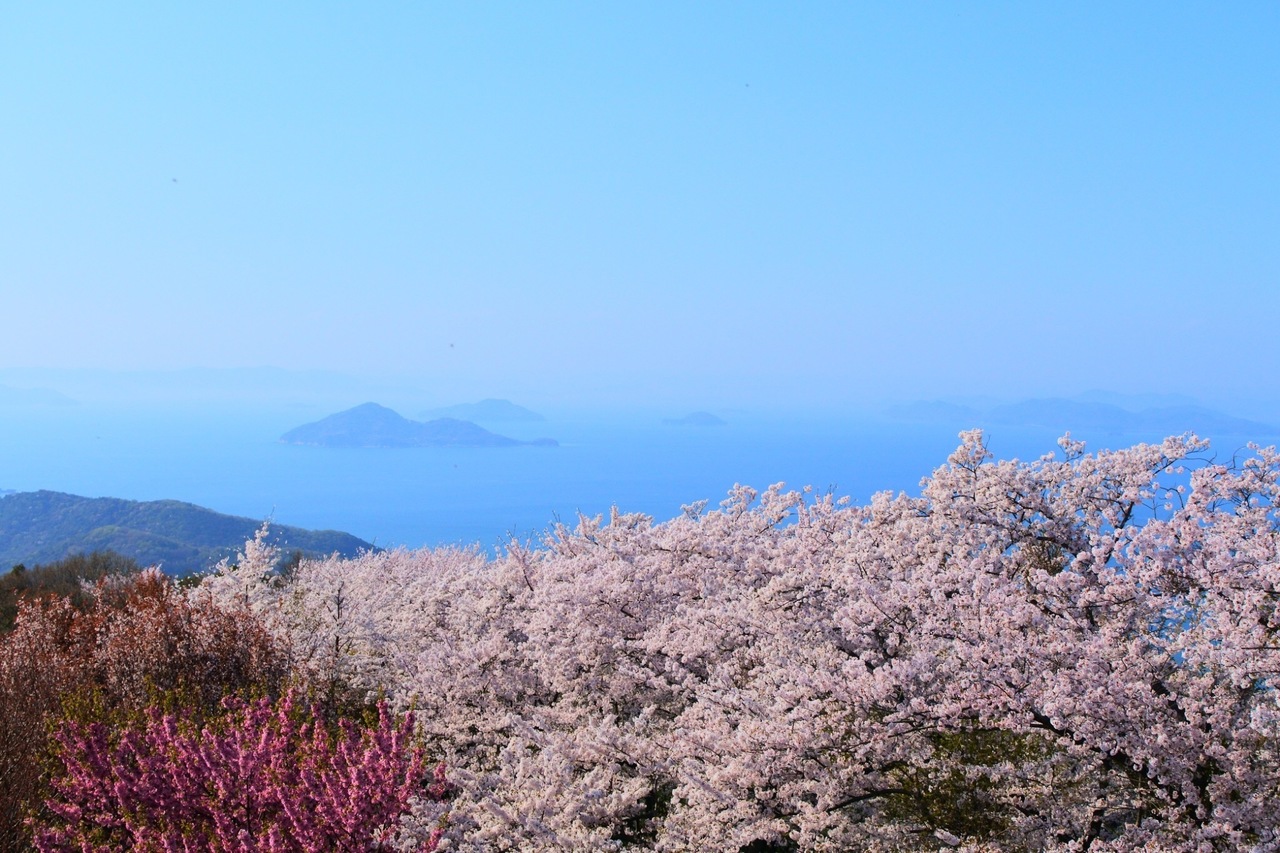
Cherry blossoms at Mt. Shiude © E0170 Creative Commons Attribution 4.0 International License
- Cherry Blossoms: Mt. Shiude (Kagawa), Matsuyama Castle (Ehime), Kagamino Park (Kochi) *Best time: Late Mar to Early Apr
- Autumn Leaves: Kankakei Gorge (Kagawa/Shodoshima), Iya Valley (Tokushima), Nametoko Gorge (Ehime) *Best time: Mid-Nov to Late Nov
Event Calendar
- August: Yosakoi Festival (Kochi), Awa Odori (Tokushima – Japan’s representative Bon dance)
- October: Niihama Taiko Festival (Ehime)
Must-Try Gourmet & Souvenirs
- Gourmet: Sanuki Udon (Kagawa), Seared Bonito (Kochi), Sea Bream Rice (Ehime), Tokushima Ramen (Tokushima), Awaodori Chicken (Tokushima)
- Souvenirs: Imabari Towels (Ehime), Ichiroku Tart (Ehime), Imo Kenpi (Sweet Potato Fries) (Kochi), Wasanbon Sugar (Kagawa), Sudachi Citrus Products (Tokushima)
3. Baths of History and Seclusion: Top 5 Onsen Areas
From Japan’s oldest hot springs to secret baths on steep cliffs, unique hot springs are available.
| Onsen Area | Features |
|---|---|
| Dogo Onsen (Ehime) | One of Japan’s three ancient springs with a 3,000-year history. The retro townscape is perfect for strolling in a yukata. The annex “Asuka no Yu” is also popular. |
| Konpira Onsen (Kagawa) | Hot springs welling up at the approach to Kotohira-gu Shrine. Ideal for healing the fatigue of climbing the stone steps. |
| Iya Onsen (Tokushima) | Hot springs located in one of Japan’s three hidden regions. From the open-air bath, accessed by descending to the valley floor via cable car, you can enjoy a spectacular view of the gorge. |
| Ashizuri Onsen (Kochi) | A hot spring area at Cape Ashizuri, the southernmost point of Shikoku. From the open-air baths overlooking the vast Pacific Ocean, the sunrise and sunset look beautiful. |
| Nibukawa Onsen (Ehime) | Located in the mountains of Imabari City, known as a “Hot Spring of Beauty.” It is reputed to make skin smooth due to its high pH value. |
4. Essential History and Traditional Crafts
History and Historical Sites
- Henro (Shikoku 88 Temple Pilgrimage): A journey visiting 88 temples associated with Kobo Daishi (Kukai). It has a history of over 1,200 years, and the culture of “Osettai” (free hospitality to pilgrims) by local people is deeply rooted.
- Ryoma Sakamoto (Kochi): A hero of the end of the Edo period who contributed greatly to Japan’s modernization (Meiji Restoration). Many places and statues related to Ryoma exist in Kochi.
- 12 Existing Castle Towers: There are only 12 castles in Japan with keeps built before the Edo period remaining, and 4 of them (Marugame Castle, Matsuyama Castle, Uwajima Castle, Kochi Castle) are concentrated in Shikoku.
Traditional Crafts
- Imabari Towel (Ehime): Japan’s leading towel production area with a 120-year history. Famous worldwide for its absorbency and soft texture.
- Awa Washi (Tokushima): Handmade Japanese paper combining the texture of natural materials with durability. Products with unique indigo dyeing are also popular.
- Tobe Ware (Ehime): Porcelain characterized by blue indigo patterns on white porcelain. It is popular as everyday tableware because it is thick and durable.
5. Expert Recommendations: Model Travel Routes
A route circling all four prefectures is popular, but if time is limited, it is wise to narrow down the area.
① Royal Popular Course (3 Days, 2 Nights)
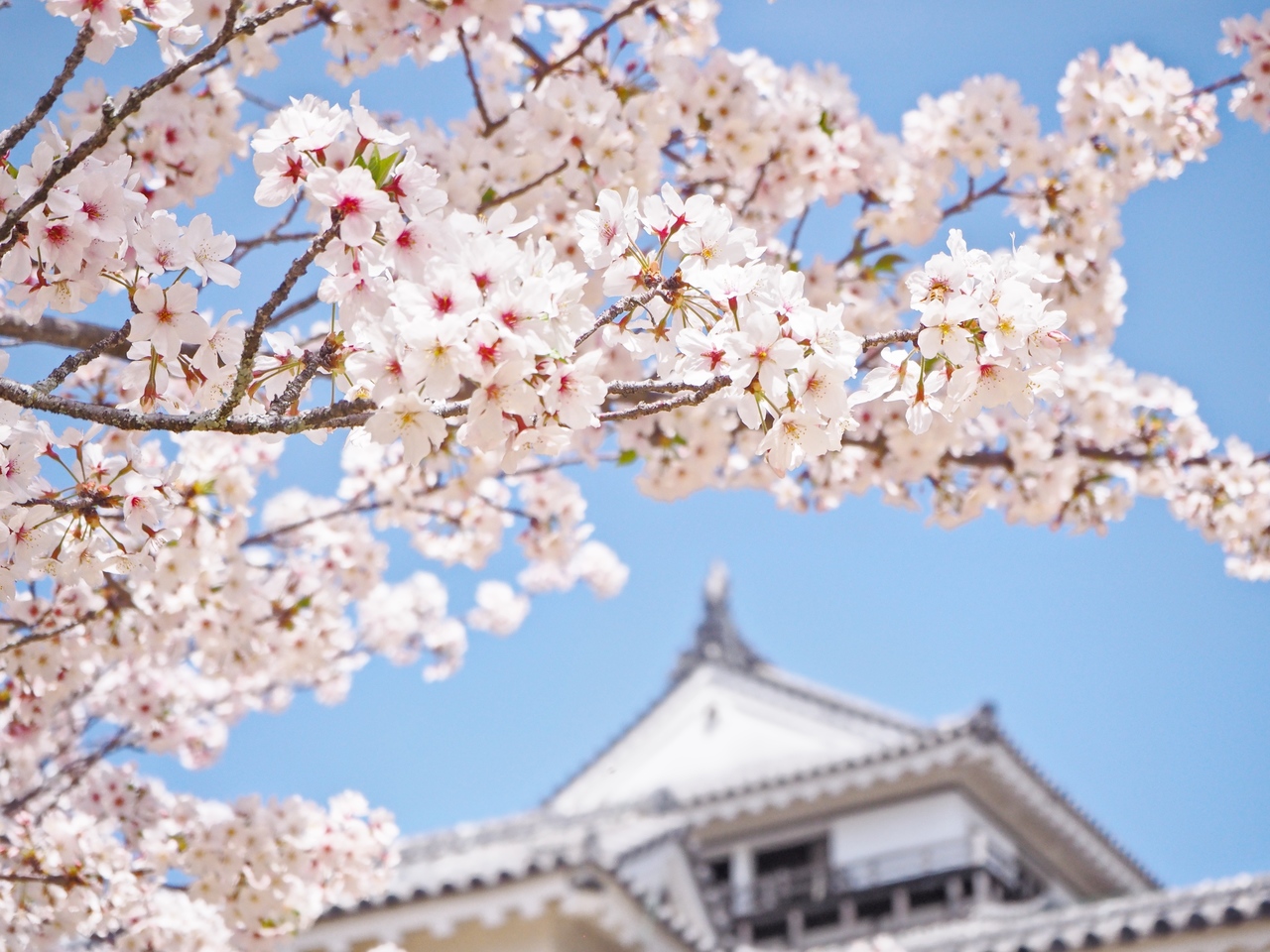
To the city of castles and cherry blossoms © Y_IKEDA Creative Commons Attribution 4.0 International License
Theme: Art, Udon, and Onsen! The Best of Kagawa & Ehime
- Day 1: Arrive at Takamatsu Airport → Authentic Sanuki Udon Lunch (Compare 2 shops) → Visit Kotohira-gu Shrine → Sunset photography at Chichibugahama → Stay in Kotohira or Takamatsu
- Day 2: Limited Express from Takamatsu to Matsuyama → Matsuyama Castle (Ascend by lift) → Experience mandarin orange juice from a faucet → Bathe at Dogo Onsen Honkan → Stay in Dogo Onsen
- Day 3: Bus or train from Matsuyama to Imabari → Shimanami Kaido (Short experience with rental cycle) or Towel Museum → Return from Matsuyama Airport
② Royal Popular Course (4 Days, 3 Nights)
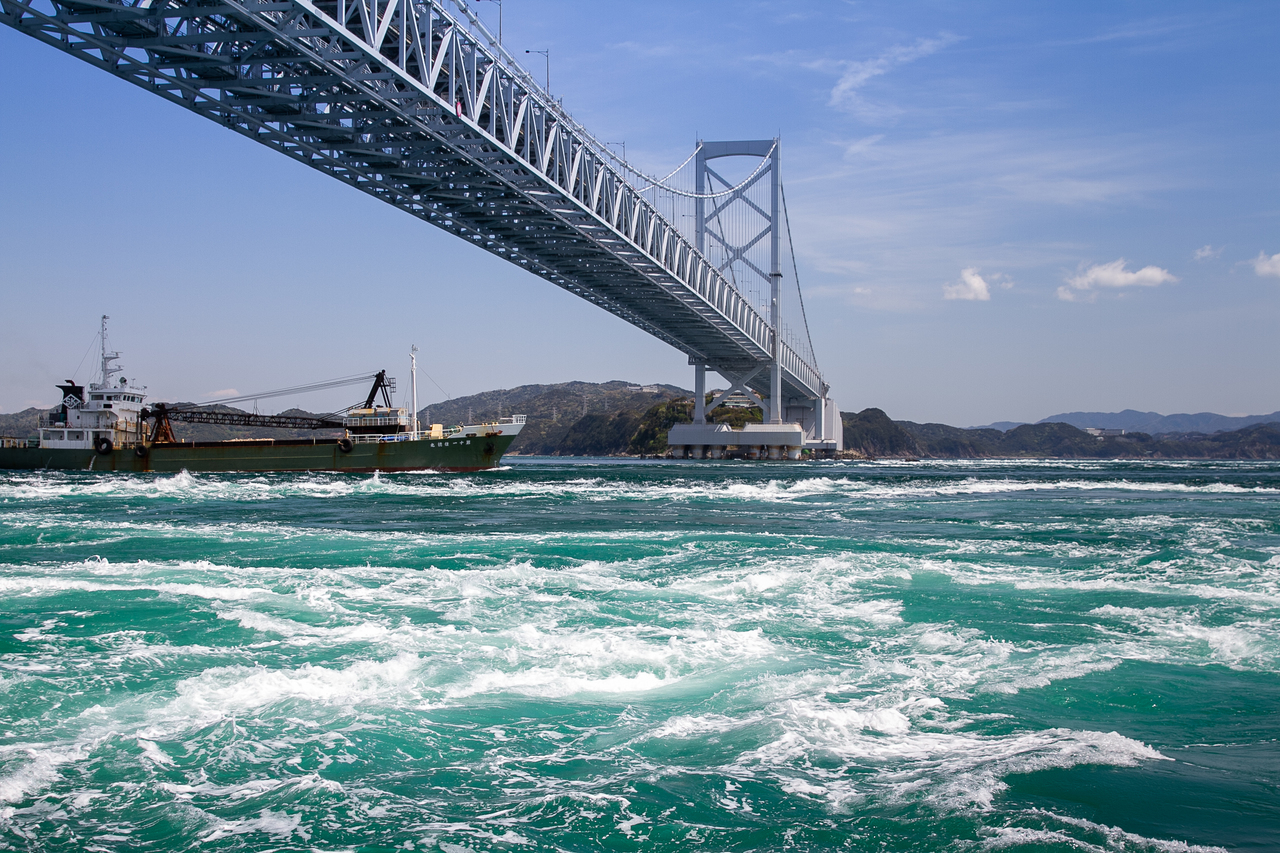
Whirlpools and Onaruto Bridge © m_someya Creative Commons Attribution 4.0 International License
Theme: 4-Prefecture Grand Loop! Complete Conquest of Shikoku’s Scenic Views
- Day 1: Arrive at Tokushima Airport → Naruto Whirlpools → Iya Kazurabashi (Hidden region experience) → Stay in Iya Onsen
- Day 2: Oboke/Koboke Gorge → Move to Kochi → Lunch at Hirome Market → Katsurahama (Ryoma Sakamoto Statue) → Stay in Kochi
- Day 3: Kochi Sunday Market (if Sunday) → Niyodo River (Niyodo Blue) or Shimanto River sightseeing → Move to Matsuyama, Ehime → Stay in Dogo Onsen
- Day 4: Stroll Dogo Onsen town → Move to Kagawa → Ritsurin Garden → Sanuki Udon Dinner → Return from Takamatsu Airport
③ Nature Lovers Course (3 Days, 2 Nights)
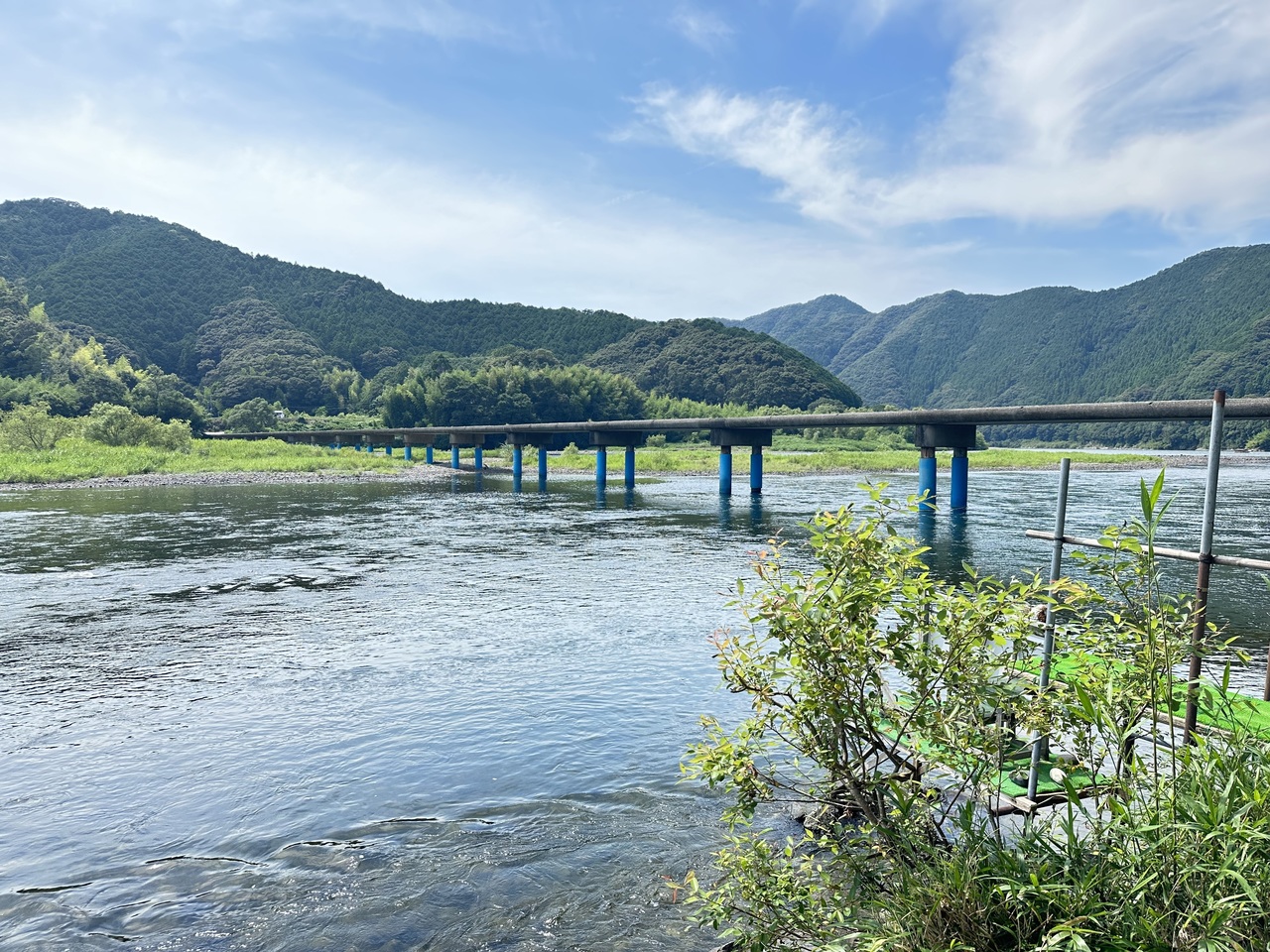
Shimanto River Sada Chinka Bridge © Keita123 Creative Commons Attribution 4.0 International License
Theme: Japan’s Last Clear Stream and the Pacific! Deep Kochi & Ehime Nanyo
- Day 1: Arrive at Kochi Ryoma Airport → Shimanto River (Houseboat or canoe experience) → Tour Chinka Bridges → Stay around Shimanto
- Day 2: Cape Ashizuri (Spectacular view at Shikoku’s southernmost point) → Tatsukushi Coast → Move to Uwajima, Ehime (Sea bream rice lunch) → Stay in Uwajima
- Day 3: Uwajima Castle → Uchiko (Stroll through old townscape) → Shimonada Station (Famous photo spot as the station closest to the sea) → Return from Matsuyama Airport
④ Activity Experience Course (3 Days, 2 Nights)
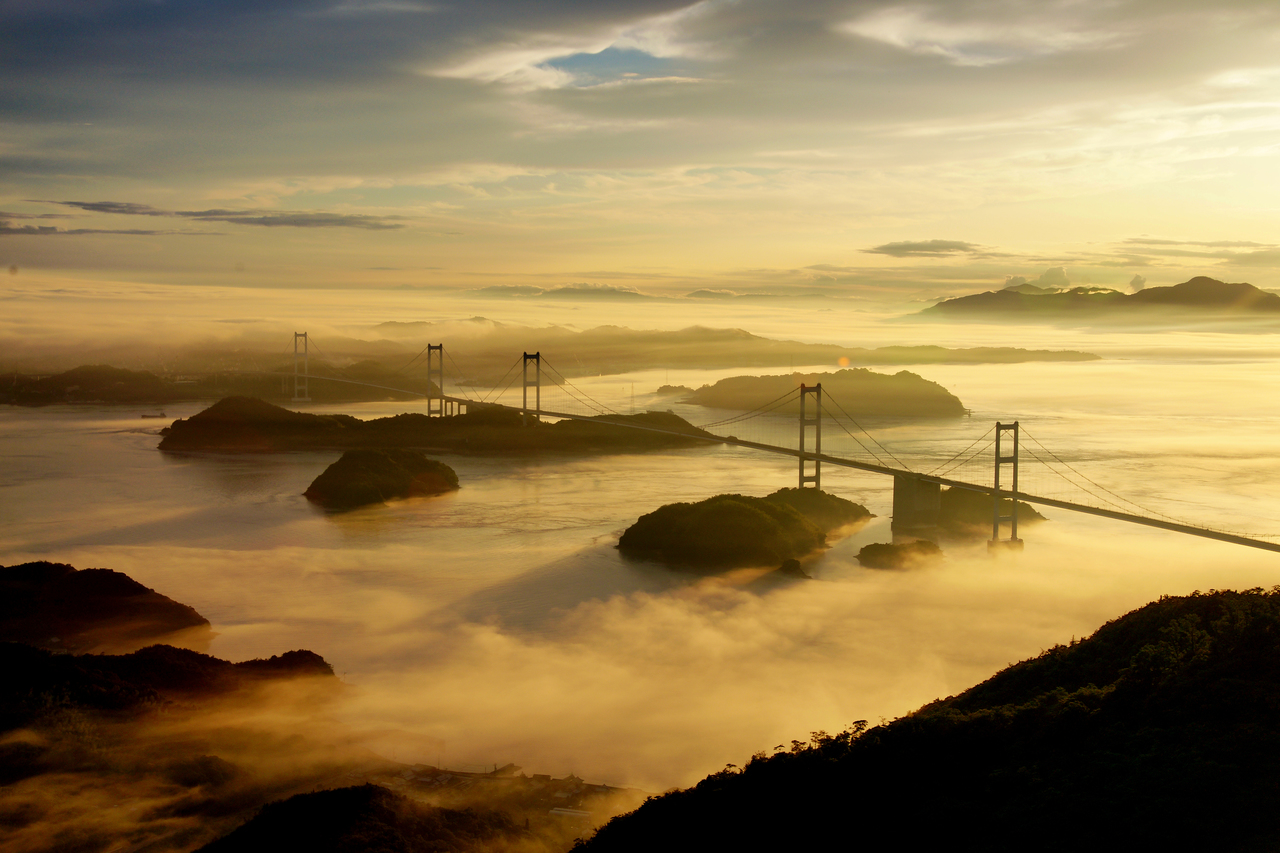
Kurushima Kaikyo Bridge viewed from Mt. Kiro © Imabari City Tourism Association Creative Commons Attribution 4.0 International License
Theme: Feel Shikoku with Your Body! Rafting & Cycling
- Day 1: World-class whitewater rafting on the Yoshino River, Tokushima → Stay in an old folk house in Iya
- Day 2: Move to Imabari, Ehime → Shimanami Kaido Cycling (Cross scenic bridges with rental cycles safe even for beginners) → Stay in Omishima (Holy land for cyclists)
- Day 3: Visit Oyamazumi Shrine on Omishima → Option to take a boat to Rabbit Island (Okunoshima, Hiroshima Pref.) → Return from Hiroshima Airport or Matsuyama Airport
Mountain roads in Shikoku (especially around Iya and National Route 439) are often narrow, sometimes called “rugged roads.” If you are not confident in driving, please consider using sightseeing buses or taxis that tour major tourist spots. Also, there are many areas with few convenience stores, so always ensure you have cash and drinks.