The “Kansai Region,” the heart of Western Japan, is a top-tier destination alongside Tokyo for visitors to Japan. It boasts incredibly strong and distinct personalities for each city: Kyoto, the thousand-year capital; Osaka, the city of “Kuidaore” (eating until you drop); and Nara, where you can interact with deer, the messengers of the gods.
One of its charms is how compact it is, with travel between cities taking only 30 minutes to an hour by train. It’s easy to fully enjoy “Kyoto’s history” and “Osaka’s entertainment” in a single trip. In this article, I will thoroughly explain everything from basic information about Kansai to must-visit sightseeing spots and “highly satisfying model courses for efficient touring and deep experiences.”
Table of Contents
1. Basic Information about Kansai
Geography and Climate
Kansai belongs to the Seto Inland Sea climate zone, characterized by relatively mild temperatures and low rainfall throughout the year. However, the Kyoto and Nara basins are famous for being “steamy and hot in summer, and bone-chillingly cold in winter.” Since urban areas like Osaka can get quite hot in summer due to the heat island effect, heatstroke prevention is essential for sightseeing from July to September.
Average Temperature and Precipitation (Osaka)
Here is the annual data for Osaka, the hub of Kansai. Kyoto city often feels 1°C to 2°C cooler than this in winter. Please note that mountainous areas like Mt. Koya are more than 5°C cooler than the plains.
| Month | Avg. Temp (°C) | Precipitation (mm) | Clothing Guide |
|---|---|---|---|
| Jan | 6.0 | 45 | Winter coat, scarf |
| Apr | 15.1 | 100 | Cardigan or light jacket |
| Jul | 27.4 | 160 | Short sleeves (moisture-wicking recommended) |
| Oct | 19.0 | 110 | Long-sleeved shirt, hoodie |
Key Facts
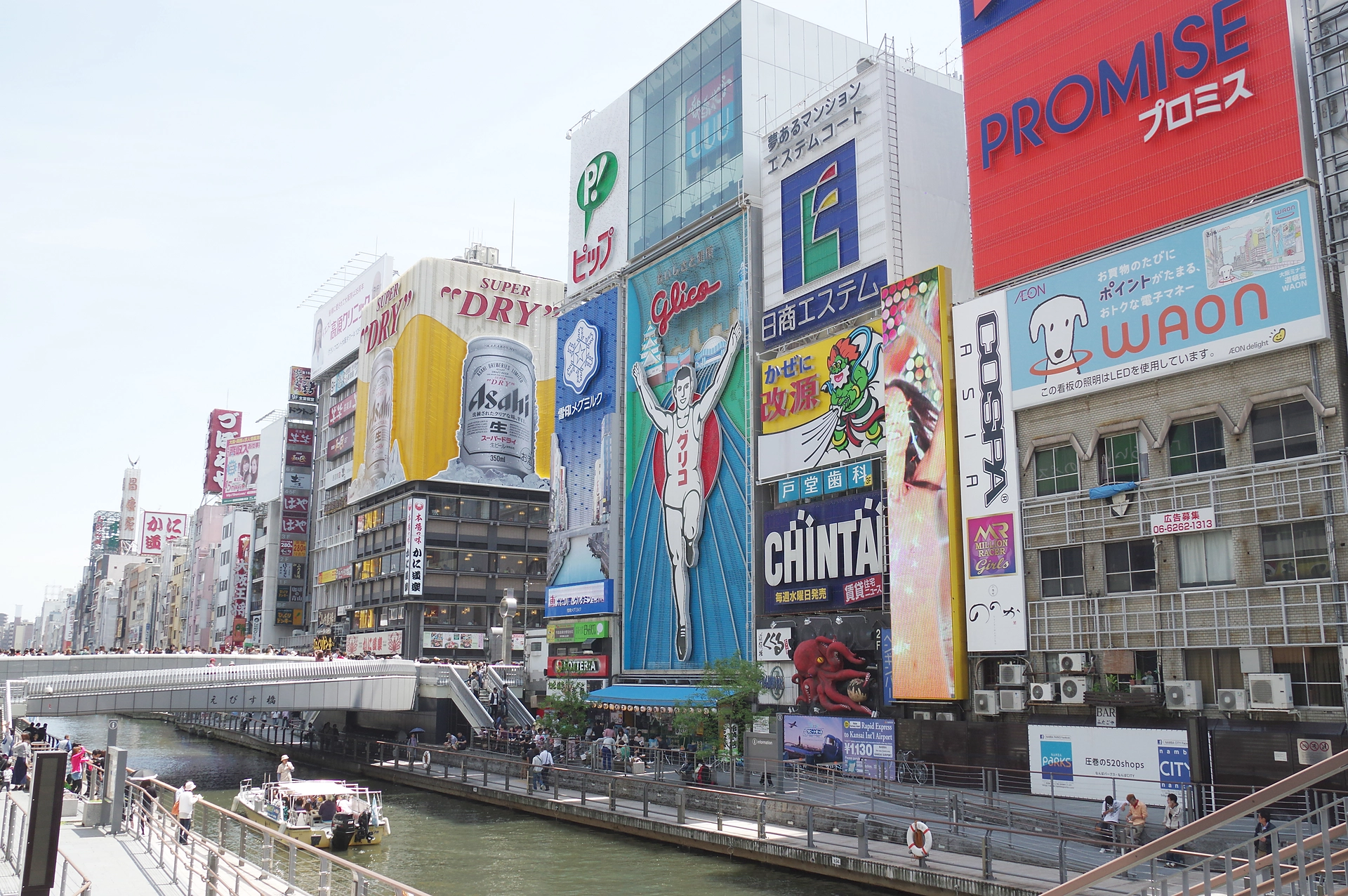
Dotonbori, Osaka
- Population: Approx. 22 million (Major cities: Osaka ~2.75 million, Kobe ~1.5 million, Kyoto ~1.45 million)
- Major Airports: Kansai International Airport (KIX), Osaka International Airport (ITM/Itami), Kobe Airport (UKB)
Access Information and Estimated Costs
Kansai International Airport (KIX) is the gateway to the world. For domestic travel, Shin-Osaka Station (Shinkansen) serves as the main hub.
| From | To | Method | Travel Time | Estimated Cost (One Way) |
|---|---|---|---|---|
| Tokyo Station | Shin-Osaka | Tokaido Shinkansen | Approx. 2h 30m | ¥14,720 (Nozomi Reserved) |
| Tokyo (HND/NRT) | Kansai/Itami | Flight | Approx. 1h 30m | ¥6,000–¥30,000 *Cheaper to KIX via LCC |
| Fukuoka (Hakata) | Shin-Osaka | Sanyo Shinkansen | Approx. 2h 30m | ¥15,600 |
| Beppu Port | Osaka South Port | Ferry | Approx. 12h | ¥10,000〜 *Ferry Sunflower |
For touring the Kansai area, the “Kansai Area Pass” or “Kansai-Hiroshima Area Pass” (for international visitors) issued by JR West are extremely convenient. Also, while subways and buses are well-developed in Kyoto and Osaka, buses in Kyoto can get very crowded. A smart tip is to use subways and trains together as much as possible to get around efficiently.
2. 10 Must-Visit Sightseeing Spots in Kansai
From World Heritage sites to entertainment, we have selected spots that symbolize Kansai’s diversity.
- Kiyomizu-dera Temple (Kyoto): A World Heritage site famous for the “Kiyomizu Stage.” Walking up the approach (Ninenzaka and Sannenzaka) is the quintessence of Kyoto.
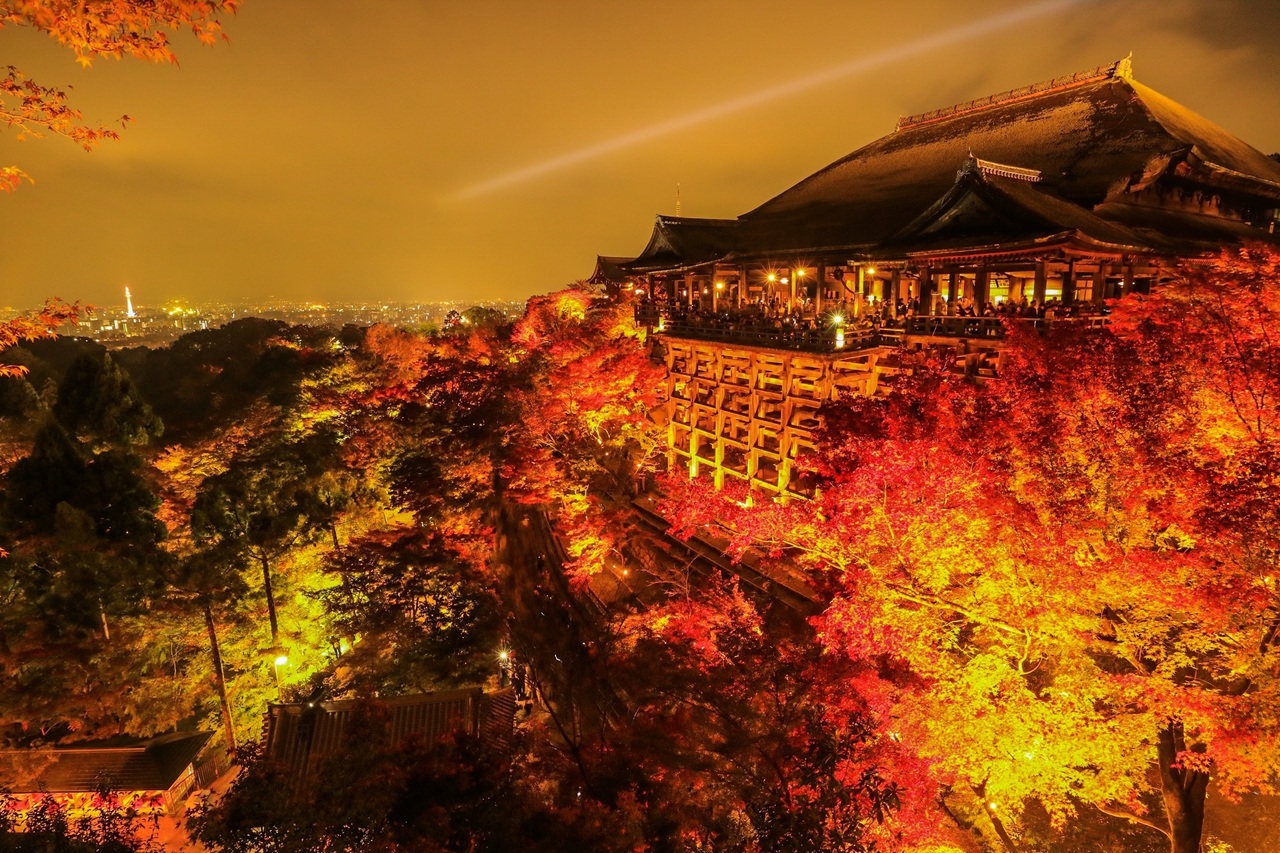
Kiyomizu Temple, Kyoto © taka14 Creative Commons Attribution 4.0 International License
- Fushimi Inari Taisha Shrine (Kyoto): The “Senbon Torii” (thousand torii gates) that stretch endlessly in vermilion is breathtaking. One of the most popular sightseeing spots in Japan for international visitors.
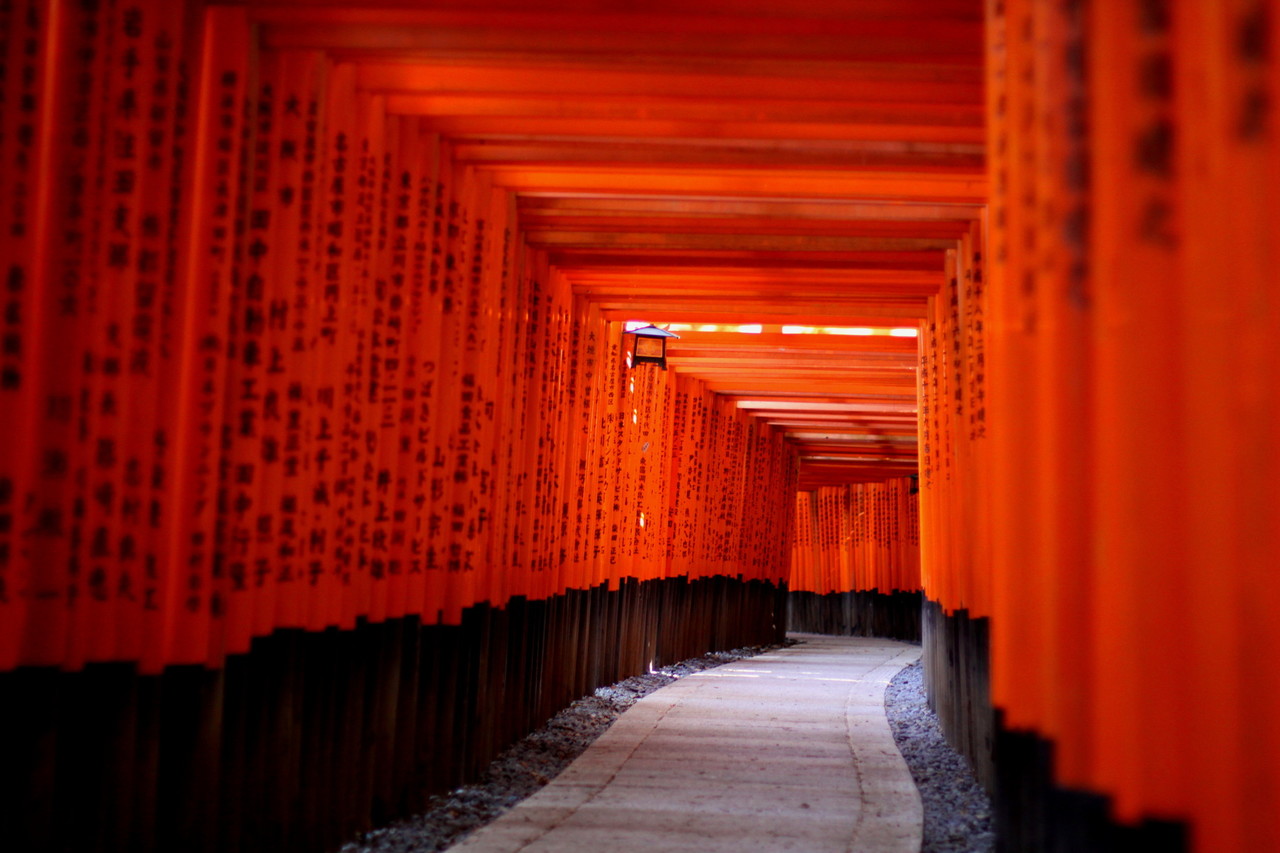
Senbon Torii © iku Creative Commons Attribution 4.0 International License
- Kinkaku-ji Temple (Kyoto): Officially named Rokuon-ji. The Golden Pavilion shining in gold reflected in the Kyoko-chi pond is said to represent the Pure Land Paradise.
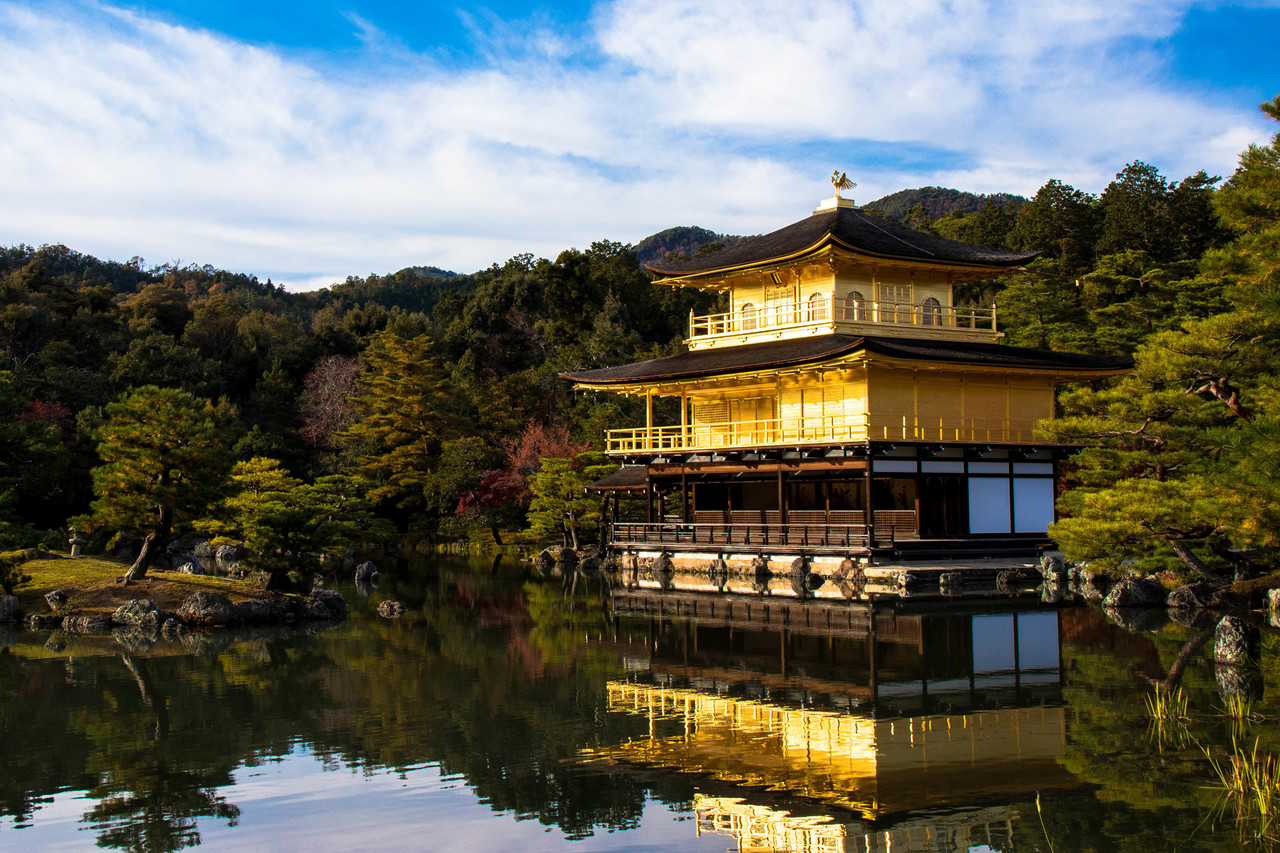
Kinkaku-ji © YANSANSEI Creative Commons Attribution 4.0 International License
- Kumano Kodo & Nachi Falls (Wakayama): An ancient pilgrimage route. The landscape of Nachi Falls, with the tallest vertical drop in Japan, and the three-storied pagoda is mystical.
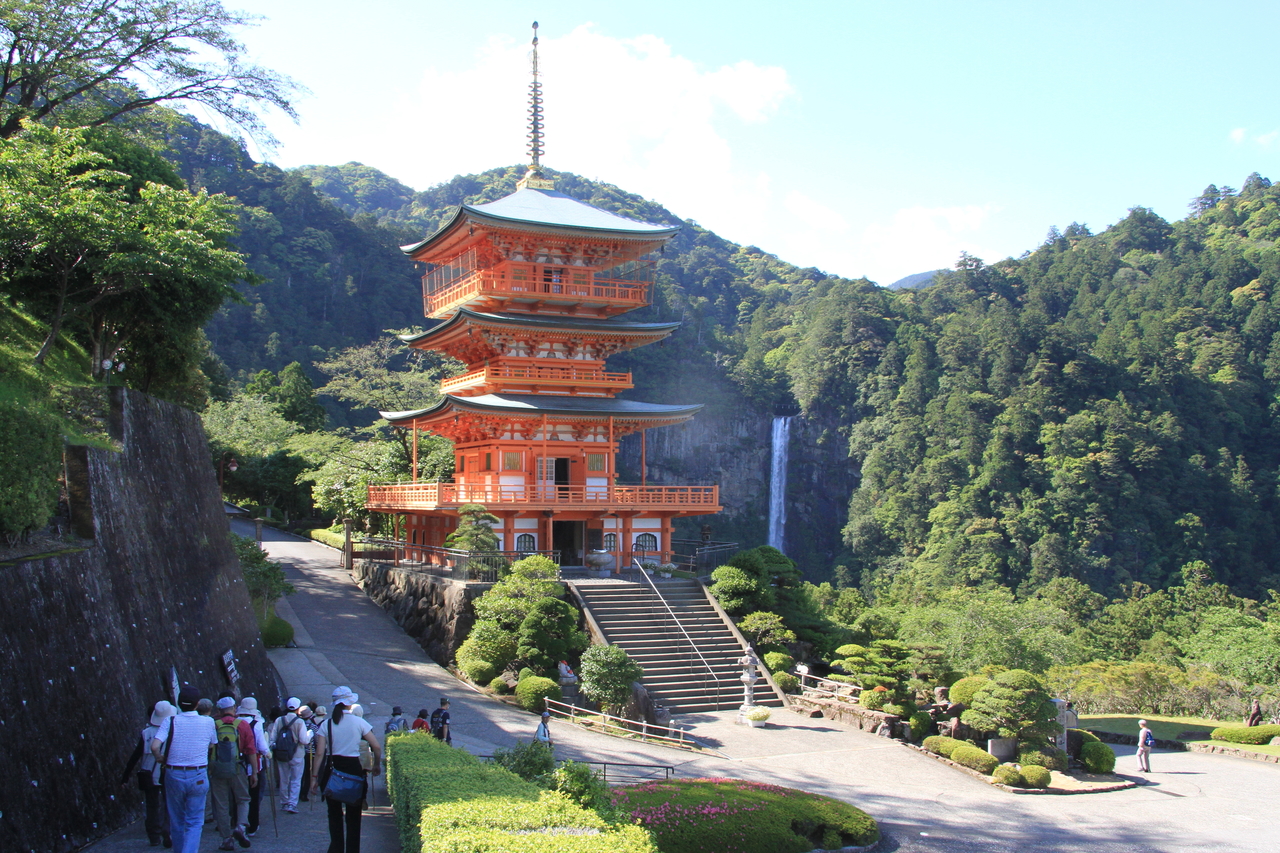
Nachi Pagoda and Nachi Falls © T-KIMURA Creative Commons Attribution 4.0 International License
- Himeji Castle (Hyogo): Also known as “White Heron Castle.” Japan’s first World Cultural Heritage site and a National Treasure. Its white, beautiful appearance fascinates people from all over the world.
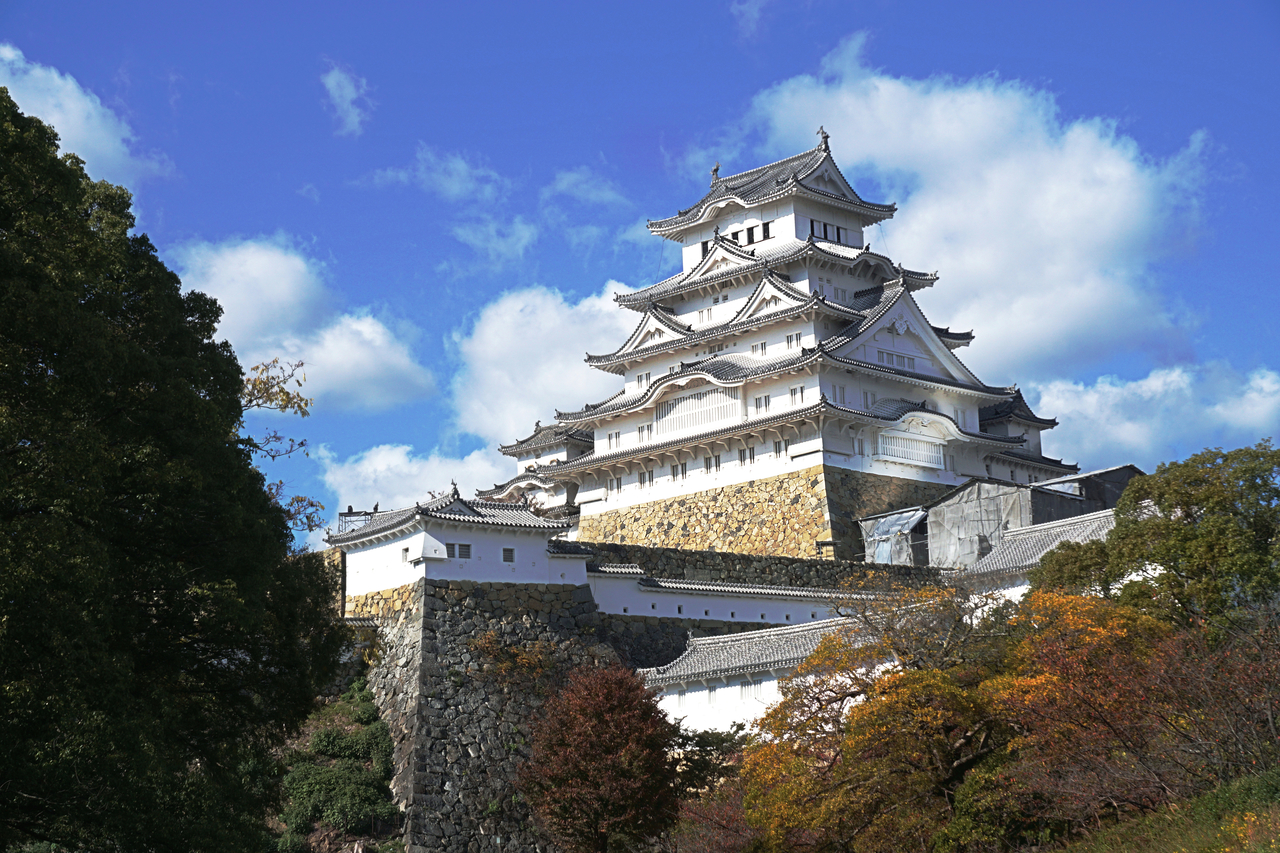
Himeji Castle under Autumn Sky © rikky_photography Creative Commons Attribution 4.0 International License
- Universal Studios Japan (USJ) (Osaka): Home to world-class entertainment like Harry Potter and Super Nintendo World.
- Nara Park & Todai-ji Temple (Nara): A place where you can find the Great Buddha Hall, the world’s largest wooden structure, and interact with over 1,000 deer treated as messengers of the gods.
- Mt. Koya (Wakayama): A celestial religious city founded by Kukai. Staying at a shukubo (temple lodging) and experiencing Buddhist vegetarian cuisine and meditation is popular.
- Lake Biwa & Shirahige Shrine (Shiga): Japan’s largest lake. Shirahige Shrine, with its torii gate standing in the lake, is a trending photogenic spot.
- Dotonbori (Osaka): Symbol of Osaka Minami, lined with Glico signs and giant crab billboards. A paradise for eating takoyaki and okonomiyaki.
Seasonal Highlights
- Cherry Blossoms: Arashiyama (Kyoto), Osaka Castle Park (Osaka), Mt. Yoshino (Nara) *Best time: Late Mar to Early Apr
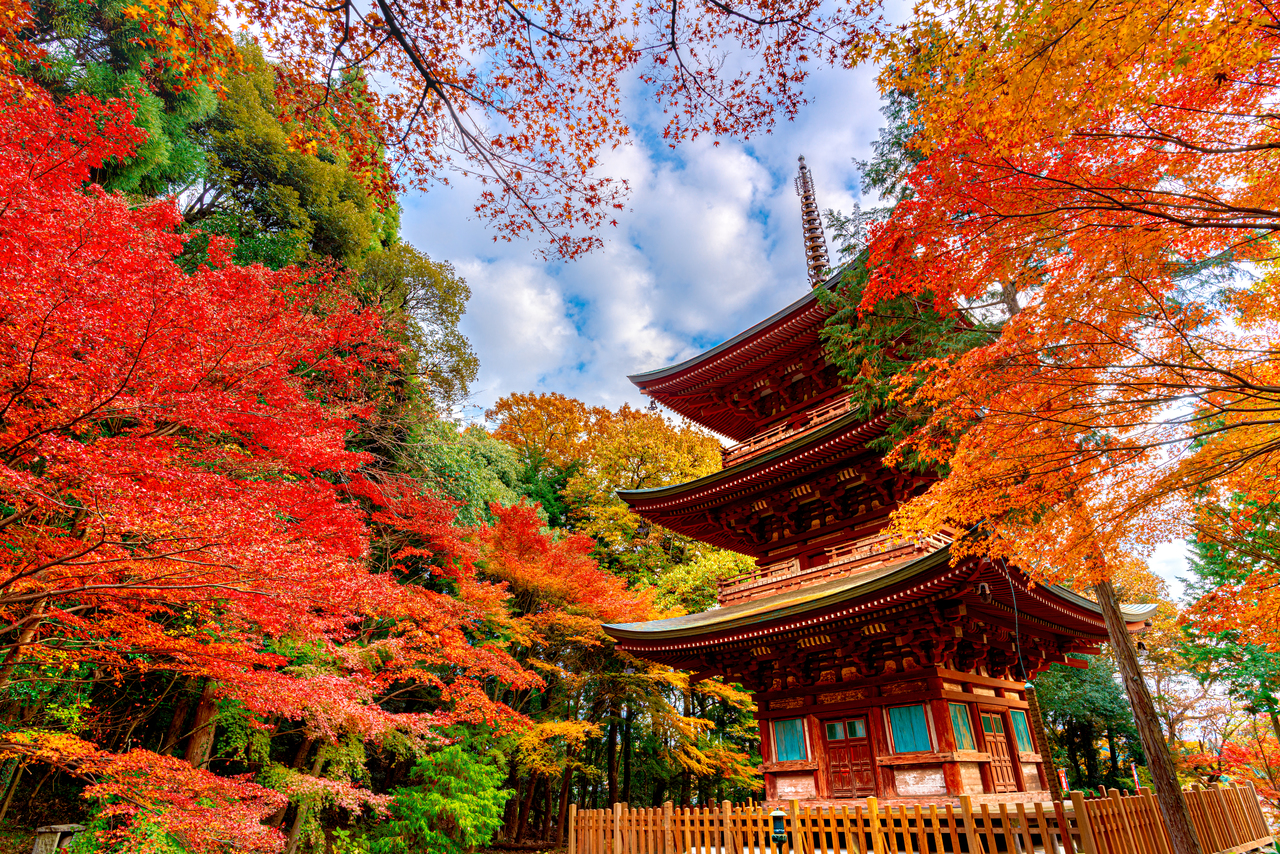
- Autumn Leaves: Tofuku-ji Temple (Kyoto), Rurikoin (Kyoto), Nara Park (Nara), Metasequoia Trees (Shiga) *Best time: Mid-Nov to Early Dec
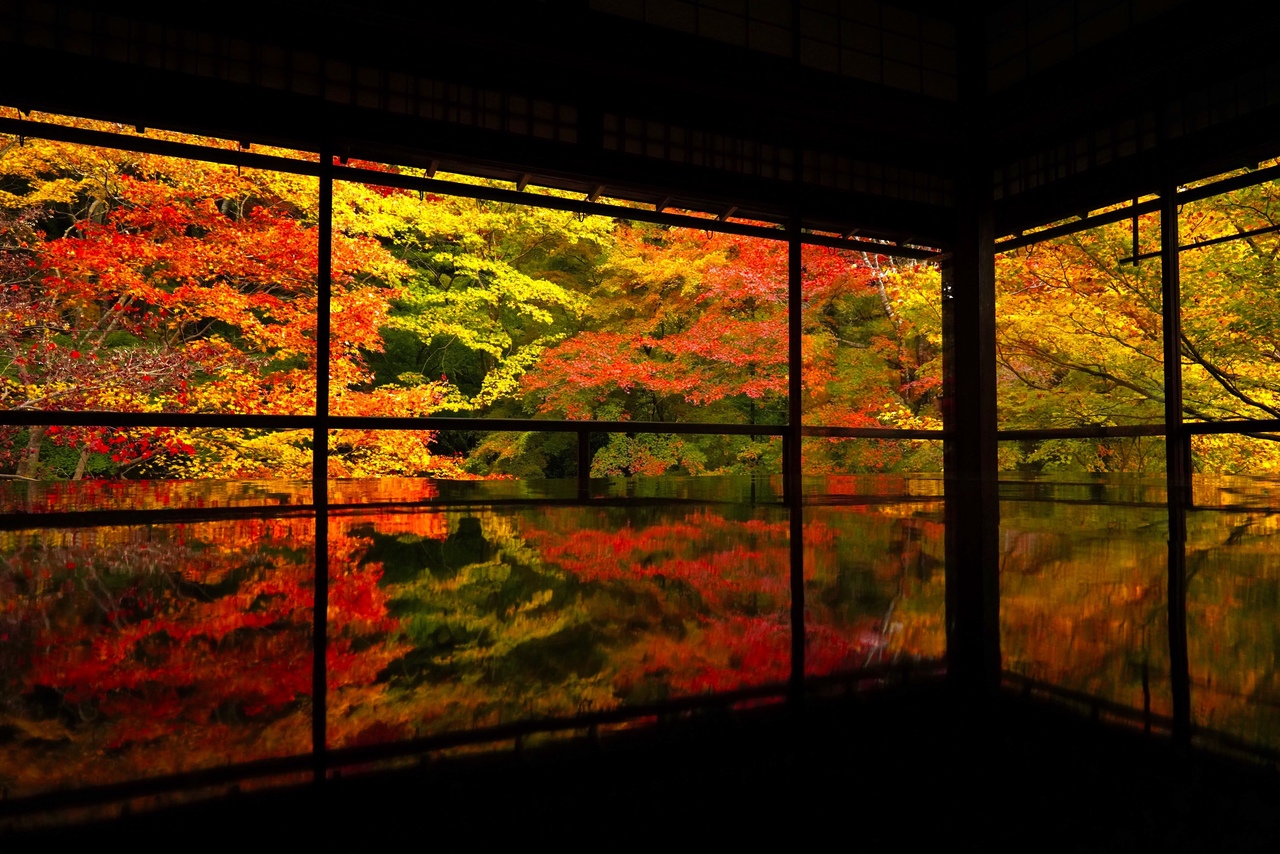
Rurikoin © Suganu0405 Creative Commons Attribution 4.0 International License
Event Calendar
- July: Gion Matsuri (Kyoto), Tenjin Matsuri (Osaka)
- August: Gozan no Okuribi (Kyoto), Koshien High School Baseball
- October: Jidai Matsuri (Kyoto), Danjiri Matsuri (Osaka)
Must-Try Gourmet & Souvenirs
- Gourmet: Okonomiyaki/Takoyaki (Osaka), Kyo-kaiseki/Yudofu (Kyoto), Kobe Beef (Hyogo), Kakinoha-zushi (Nara)
- Souvenirs: Yatsuhashi (Kyoto), 551 Horai Pork Buns (Osaka), Akafuku (Mie), Kobe Pudding (Hyogo)
3. Healing from the Ancient Capital: Top 5 Onsen Areas
Kansai is dotted with hot springs that have the oldest history in Japan, as well as scenic seaside onsens.
| Onsen Area | Features |
|---|---|
| Arima Onsen (Hyogo) | One of Japan’s three famous and three oldest springs. You can enjoy the brownish “Kinsen” (Gold Spring) and the colorless “Ginsen” (Silver Spring). |
| Kinosaki Onsen (Hyogo) | The style here is to wear a yukata and tour seven public baths. Many tourists visit in winter for crab dishes. |
| Shirahama Onsen (Wakayama) | A resort onsen with beautiful white sand beaches. Adventure World is also nearby. |
| Nanki Katsuura Onsen (Wakayama) | Famous for its cave bath (Bokido) facing the sea. It’s also a port town with the highest tuna catch in Japan. |
| Ogoto Onsen (Shiga) | Located on the shores of Lake Biwa, with excellent access about 20 minutes by train from Kyoto Station. |
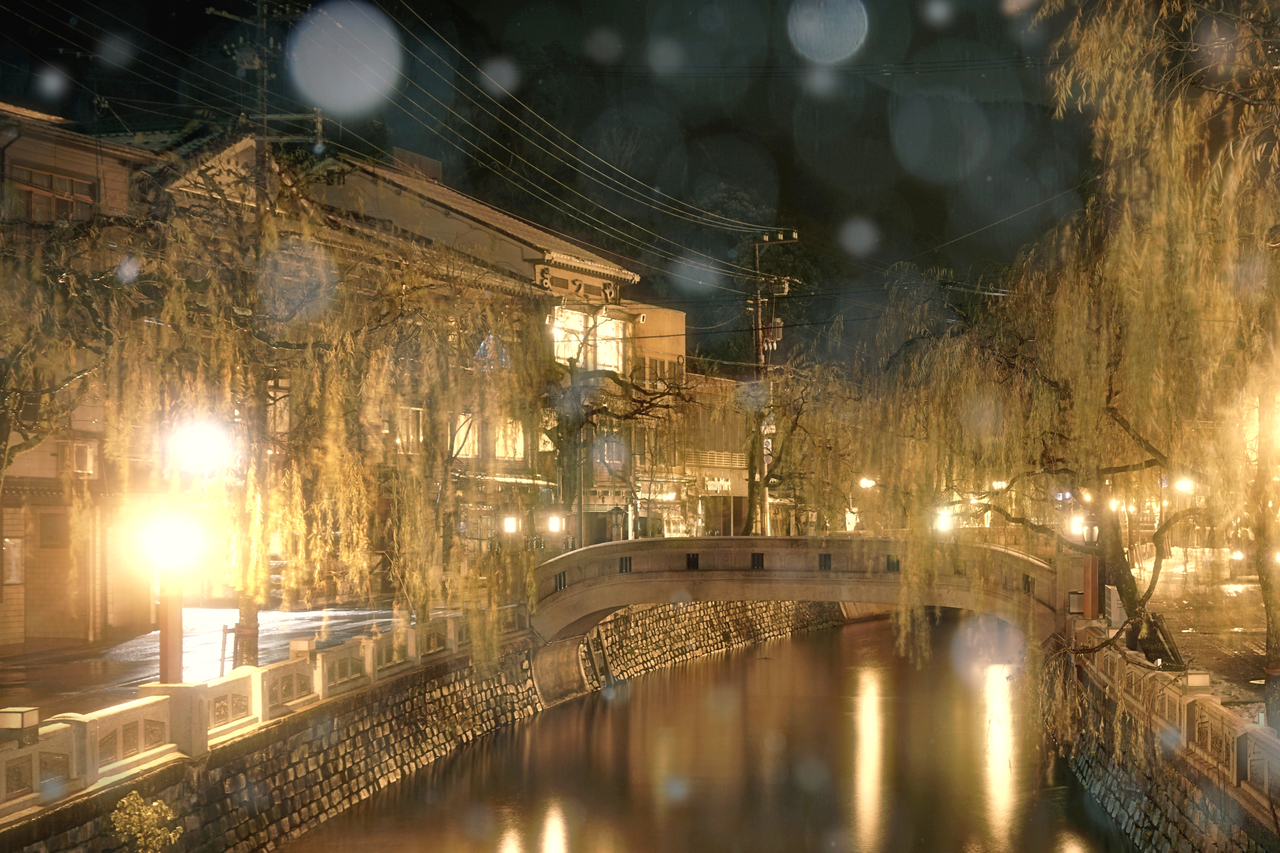
Kinosaki Onsen (Winter arrival) © rikky_photography Creative Commons Attribution 4.0 International License
4. Essential History and Traditional Crafts
History and Historical Sites
- Mozu-Furuichi Kofun Group (Osaka): Ancient burial mounds including the world-renowned Nintoku-tenno-ryo Kofun.
- Byodo-in Phoenix Hall (Kyoto): A temple featured on the 10-yen coin, conveying the image of the Pure Land Paradise.
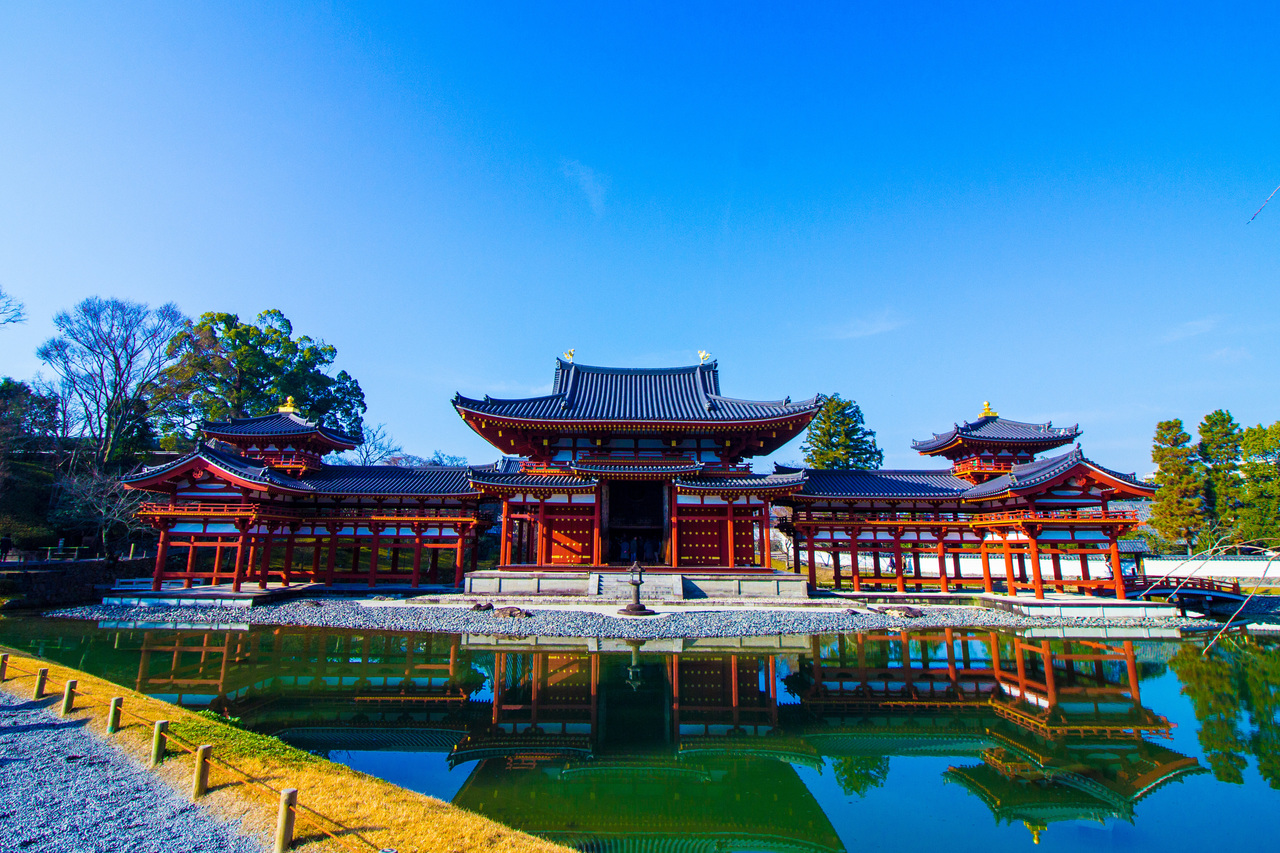
Byodo-in Phoenix Hall © ganden Creative Commons Attribution 4.0 International License
- Horyu-ji Temple (Nara): The world’s oldest wooden structures and the first World Heritage site in Japan.
Traditional Crafts
- Nishijin-ori (Kyoto): Gorgeous silk weaving used for kimono obis.
- Sakai Cutlery (Osaka): High-precision knives used by many professional chefs.
- Nara Brushes (Nara): Top-tier calligraphy brushes crafted with expert skills.
5. Expert Recommendations: Model Travel Routes
① Royal Popular Course (3 Days, 2 Nights)
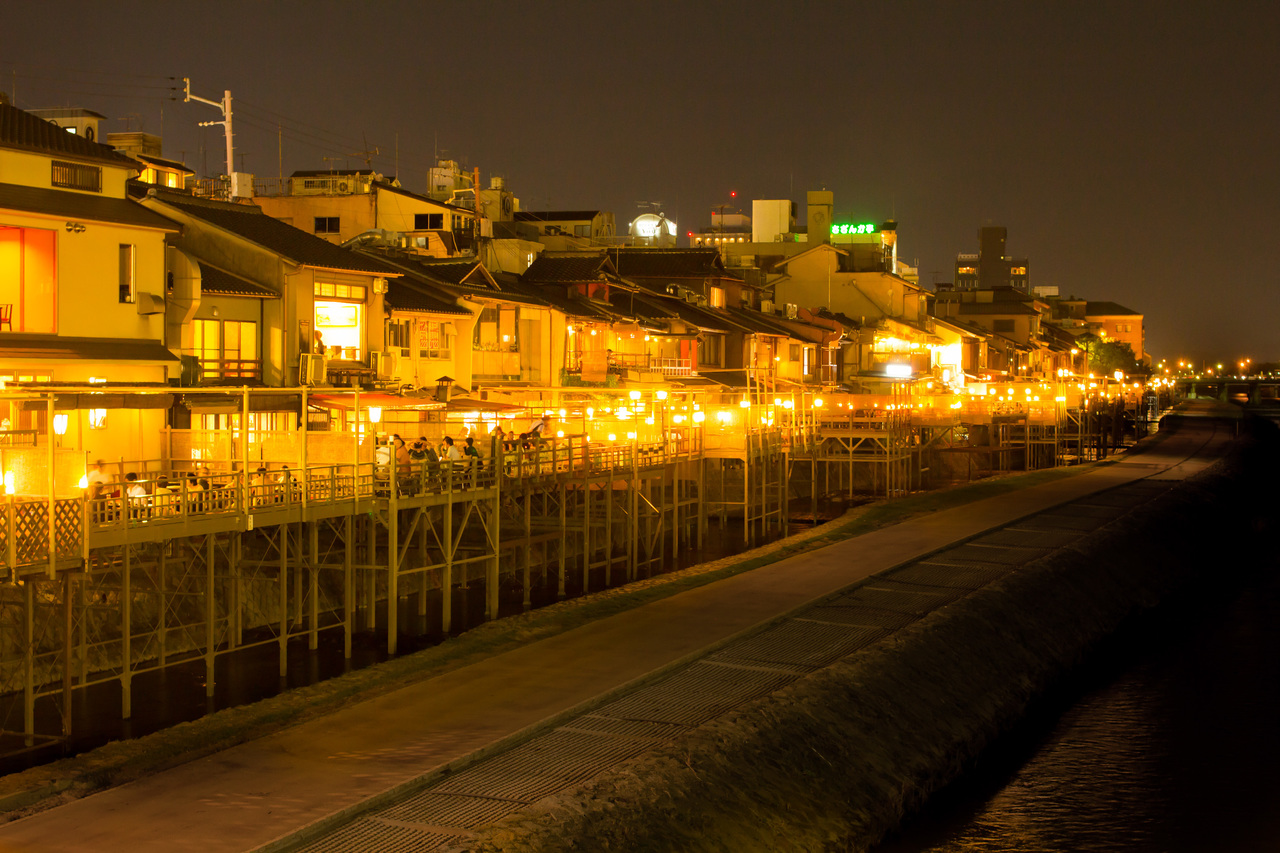
Ponto-cho © ganden Creative Commons Attribution 4.0 International License
Theme: First Kansai! Tale of Three Cities (Kyoto, Osaka, Nara)
- Day 1: Arrive Kyoto Station → Kinkaku-ji → Kiyomizu-dera → Gion Dinner → Stay in Kyoto
- Day 2: Fushimi Inari Taisha → Train to Nara → Nara Park & Todai-ji → Move to Osaka → Stay in Osaka
- Day 3: Osaka Castle → Kuromon Market → Departure from Shin-Osaka or KIX
② Royal Popular Course (4 Days, 3 Nights)
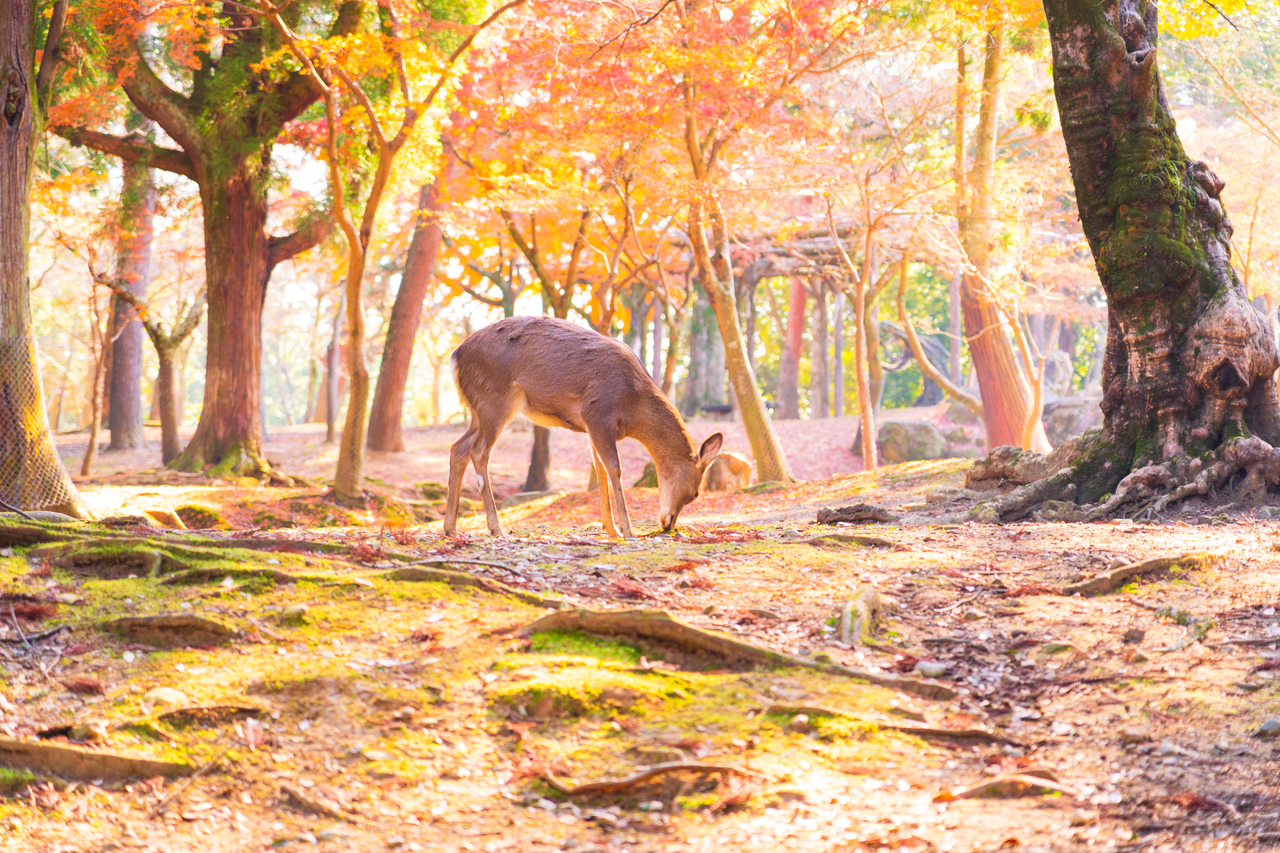
Nara Park © SHori Creative Commons Attribution 4.0 International License
Theme: World Heritage, Port Town, and Theme Parks! Kansai Full Course
- Day 1: Kyoto Sightseeing (Arashiyama, Tenryu-ji) → Stay in Kyoto
- Day 2: Nara Sightseeing → Move to Osaka and Stay
- Day 3: Enjoy USJ from morning to night! → Stay in Osaka
- Day 4: Himeji Castle → Kobe Sightseeing (Kobe Beef Lunch) → Departure
③ Nature Lovers Course (3 Days, 2 Nights)
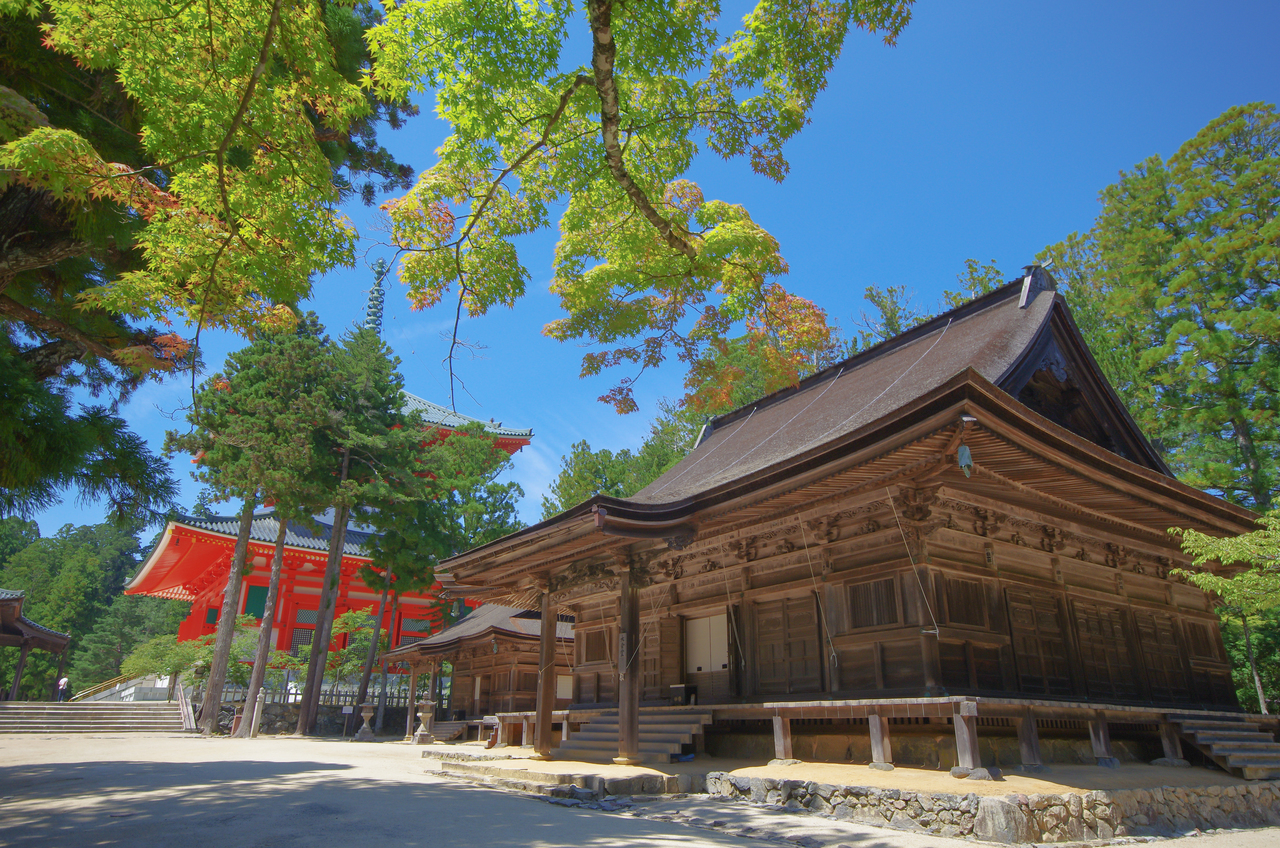
Mt. Koya Danjo Garan © Yudai_photography Creative Commons Attribution 4.0 International License
Theme: Celestial Holy Land and Seaside Scenic Resort! Wakayama Mt. Koya & Shirahama
- Day 1: Take the Limited Express from Osaka Namba to Mt. Koya → Visit Okunoin → Stay overnight at a shukubo (temple lodging) and experience Buddhist vegetarian cuisine and meditation
- Day 2: Travel from Mt. Koya to Shirahama by bus and train → Tour scenic spots such as Senjojiki and Sandanbeki → Visit Adventure World (to see pandas) → Stay overnight at Shirahama Onsen
- Day 3: Stroll along Shirarahama Beach → Enjoy a seafood bowl at Tore Tore Market → Return to Osaka via the Limited Express Kuroshio and depart
④ Popular Activity Experience Course (3 Days, 2 Nights)
Theme: Fun and Scenic Island Trip! USJ and Awaji Island
- Day 1: Spend a full day enjoying USJ (Universal Studios Japan) → Stay overnight in the Osaka Bay Area
- Day 2: Travel to Awaji Island by rental car or highway bus → Visit Nijigen no Mori (home to Godzilla and NARUTO attractions) → Enjoy pancakes at a scenic cafe → Stay overnight at Awaji Island Onsen
- Day 3: Take an Akashi Kaikyo Bridge cruise or a whirlpool sightseeing boat → Go shopping in Kobe Sannomiya → Departure
The railway network in Kansai is complex but very efficient. An IC card (ICOCA or Suica) is essential. Especially in Kyoto, traffic jams can be bad, so combining trains and walking is key. Also, remember the local escalator rule: “Stand on the right in Osaka, and on the left everywhere else!”