Hi, I’m Hiro, a travel professional (Certified Domestic Travel Service Supervisor). The “Chubu Region” is located in the center of the Japanese archipelago. This area is concentrated with world-class tourism resources, such as Mt. Fuji, the symbol of Japan; Shirakawa-go, which retains the original landscape of Japan; and Ise Jingu, the spiritual home of the Japanese people.
It is characterized by completely different expressions depending on the area: the Pacific side, the Sea of Japan side, and the Japan Alps towering in the center. I will provide a complete guide to resolve anxieties such as “Long travel distances?” or “Is snow okay?” and to tour this vast area “efficiently and dramatically.”
Table of Contents
1. Basic Information about Chubu
Geography and Climate
The Chubu region is broadly divided into three areas: the Pacific side (Tokai), the inland area (Koshin/Hida), and the Sea of Japan side (Hokuriku). The Pacific side is warm, but the inland areas are cool in summer and extremely cold in winter. The Sea of Japan side is known as one of the world’s heaviest snowfall zones. These differences in elevation and climate create beautiful scenic views across the four seasons.
Average Temperature and Precipitation (Nagoya)
Here is the annual data for Nagoya, the transportation hub of Chubu. If you go to high mountain areas (such as Shirakawa-go or Karuizawa) or Hokuriku, please assume it will be 5°C to 10°C lower than this, and snow protection is necessary in winter.
| Month | Avg. Temp (°C) | Precipitation (mm) | Clothing Guide |
|---|---|---|---|
| Jan | 4.5 | 48 | Thick coat, scarf, non-slip shoes |
| Apr | 14.4 | 126 | Jacket or hoodie |
| Jul | 26.4 | 203 | Short sleeves (light jacket essential for mountains) |
| Oct | 18.0 | 128 | Trench coat, fleece |
Key Facts
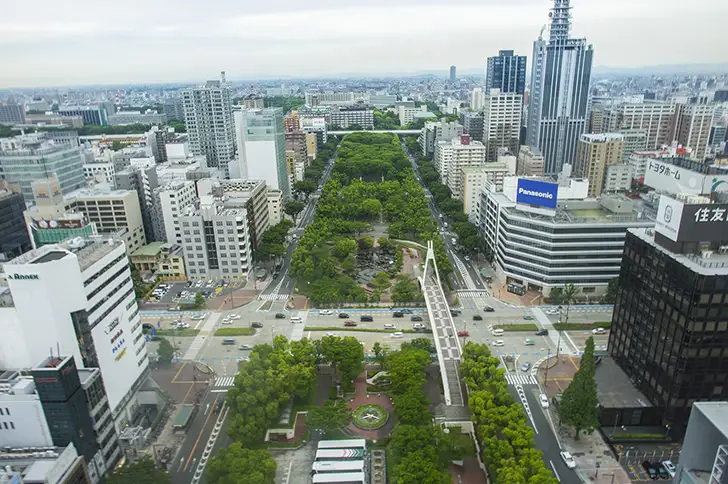
Nagoya City
- Population: Approx. 21 million (Major cities: Nagoya ~2.32 million, Kanazawa ~460k, Niigata ~770k, Hamamatsu ~780k)
- Major Airports: Chubu Centrair International Airport (NGO), Komatsu Airport (KMQ), Mt. Fuji Shizuoka Airport (FSZ)
Access Information and Estimated Costs
Located between Tokyo and Osaka, access by Shinkansen is convenient. For Hokuriku, the Hokuriku Shinkansen is used, and the “Shoryudo Bus Pass” is popular for wide-area touring.
| From | To | Method | Travel Time | Estimated Cost (One Way) |
|---|---|---|---|---|
| Tokyo Station | Nagoya | Tokaido Shinkansen | Approx. 1h 40m | ¥11,300 (Nozomi Reserved) |
| Tokyo Station | Kanazawa | Hokuriku Shinkansen | Approx. 2h 30m | ¥14,380 |
| Shin-Osaka Station | Nagoya | Tokaido Shinkansen | Approx. 50m | ¥6,680 |
| Fukuoka (Fukuoka) | Chubu Int’l Airport | Flight | Approx. 1h 20m | ¥10,000–¥30,000 |
The route connecting Nagoya, Takayama, Shirakawa-go, and Kanazawa is called the “Shoryudo (Dragon Route)” and is very popular with visitors to Japan. Using highway buses for this route can save costs. The JR “Takayama-Hokuriku Area Tourist Pass” is also extremely convenient.
2. 10 Must-Visit Sightseeing Spots in Chubu
Here are the highlights of the Chubu region, ranging from iconic Japanese landscapes to thrilling activities.
- Mt. Fuji (Yamanashi/Shizuoka): Japan’s highest peak and symbol. You can go up to the 5th station by bus, and climbing is possible (early July to early September).
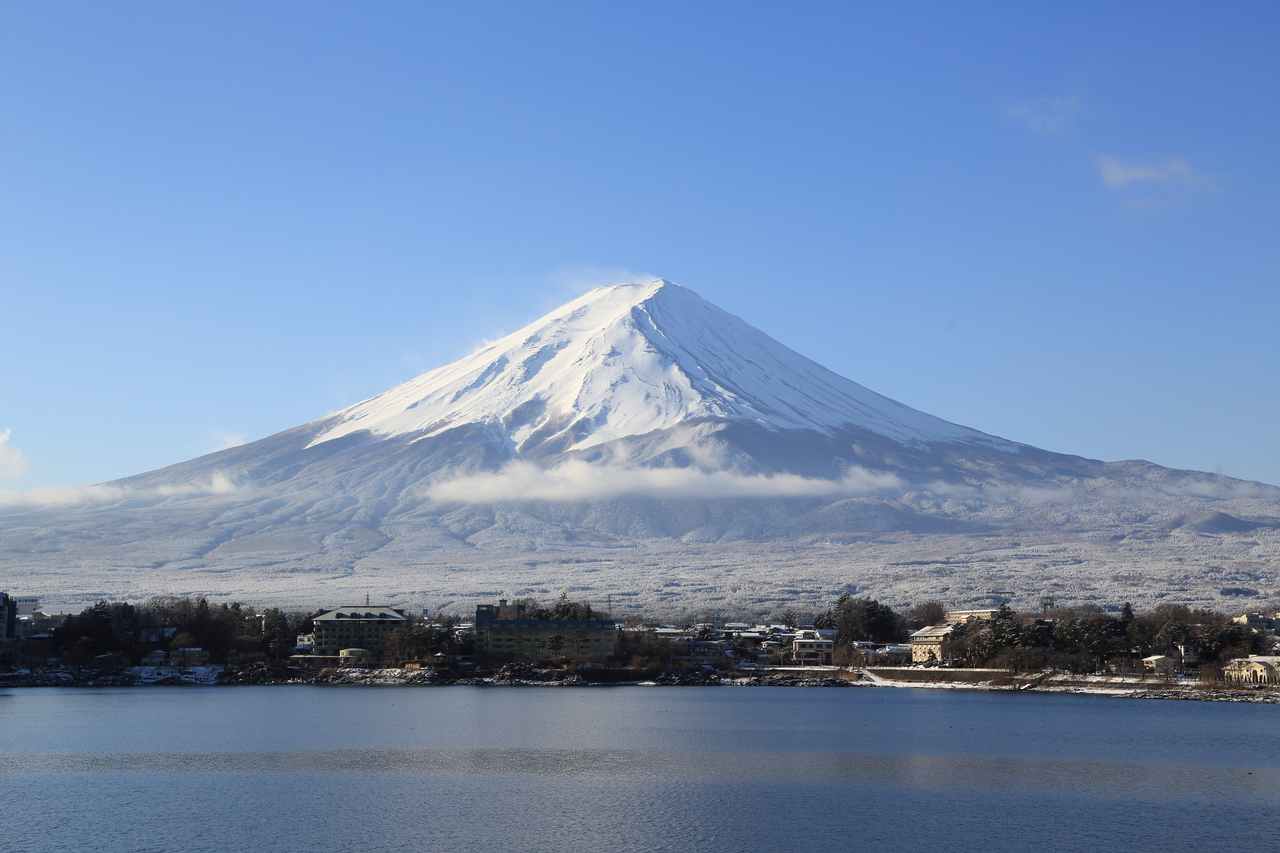
Lake Kawaguchiko © Yamanashi Prefecture CC BY 4.0
- Shirakawa-go (Gifu): A World Heritage Gassho-style village. The original landscape of Japan exists here. The winter illumination is magical.
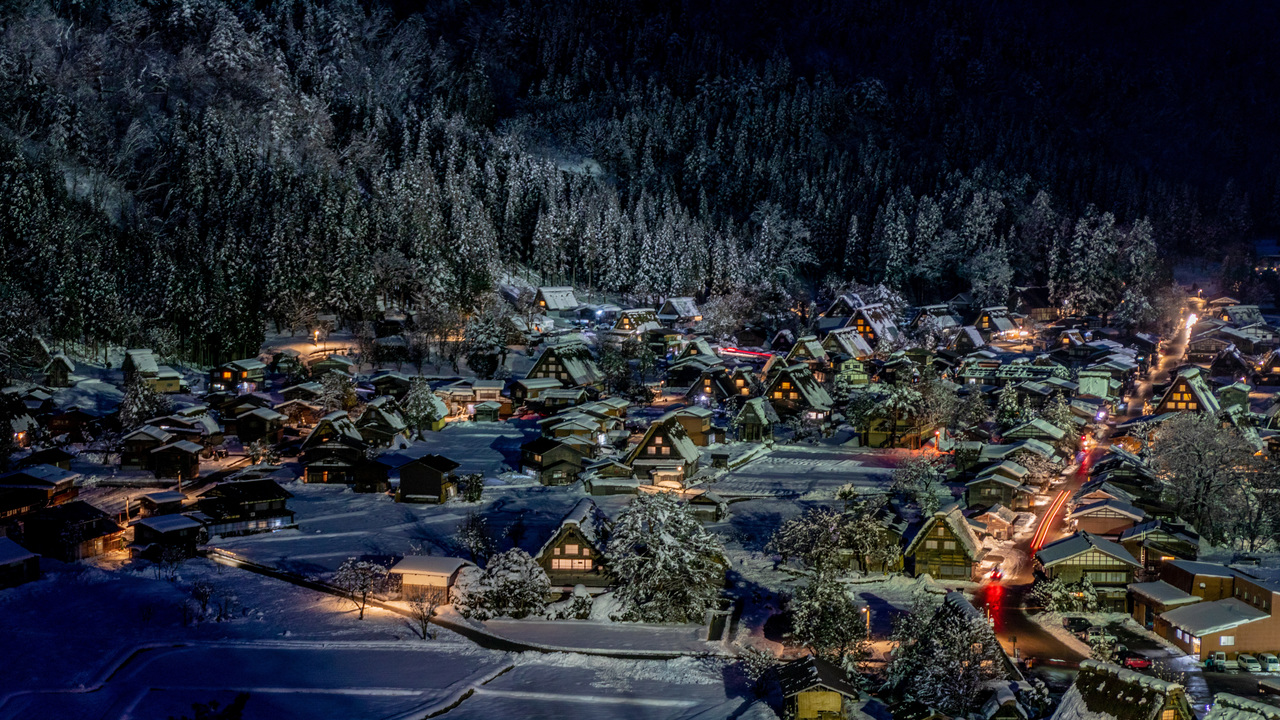
Winter Night (Shirakawa-go) © Koichi_Hayakawa CC BY 4.0
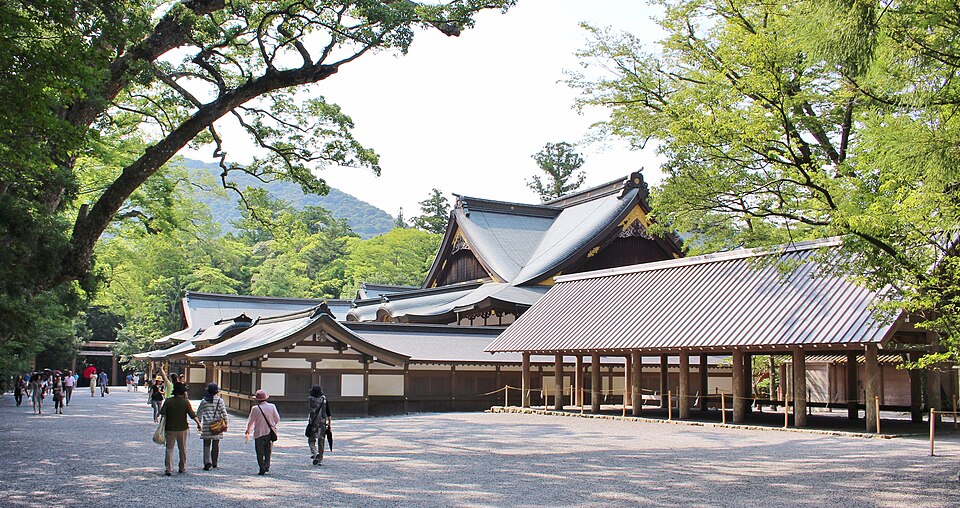
- Ise Jingu (Mie): The spiritual home of the Japanese people with a history of 2,000 years. Visiting both the Inner Shrine (Naiku) and Outer Shrine (Geku), followed by eating around Okage Yokocho, is classic.
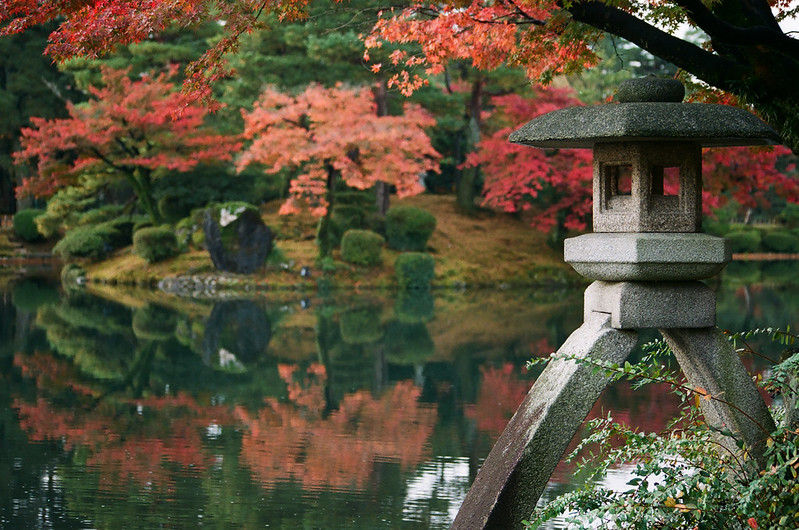
- Kanazawa & Kenrokuen (Ishikawa): One of the Three Great Gardens of Japan. The “Yukitsuri” (snow hanging) scenery in winter is beautiful, and the city blends old and new art with tea house districts and contemporary art museums.
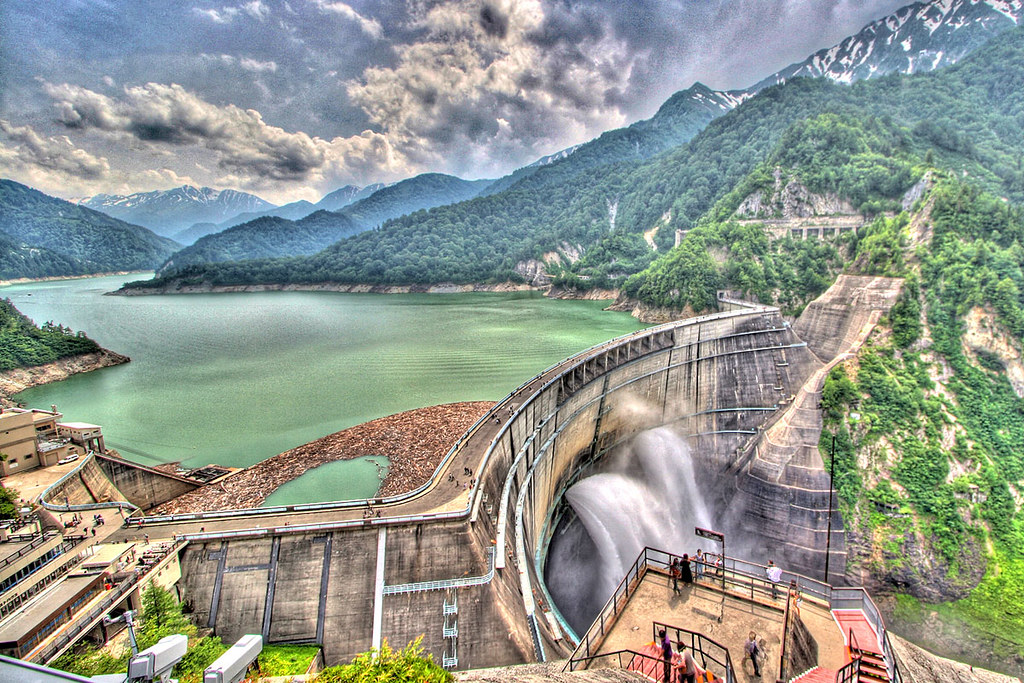
- Kurobe Dam (Toyama/Nagano): The highlight of the Tateyama Kurobe Alpine Route. The tourist water discharge from a height of 186m is impressive.
- Lake Kawaguchi & Fuji-Q Highland (Yamanashi): A lake where you can see “Reverse Fuji” and an amusement park with world-class roller coasters and haunted houses.
- Kamikochi (Nagano): A mountain resort known as “the place where gods descend.” The scenery of Kappabashi Bridge and the Hotaka Mountain Range is breathtaking.
- Jigokudani Monkey Park (Nagano): The only place in the world where you can see wild Japanese macaques (snow monkeys) bathing in hot springs.
- Takayama (Old Town) (Gifu): “Little Kyoto of Hida.” Sake breweries and craft shops line the streets, and you can enjoy walking while eating Hida beef sushi.
- Nagoya Castle (Aichi): A castle built by Tokugawa Ieyasu. The golden shachihoko shining on the castle tower and the gorgeously restored Honmaru Palace are must-sees.
Seasonal Highlights
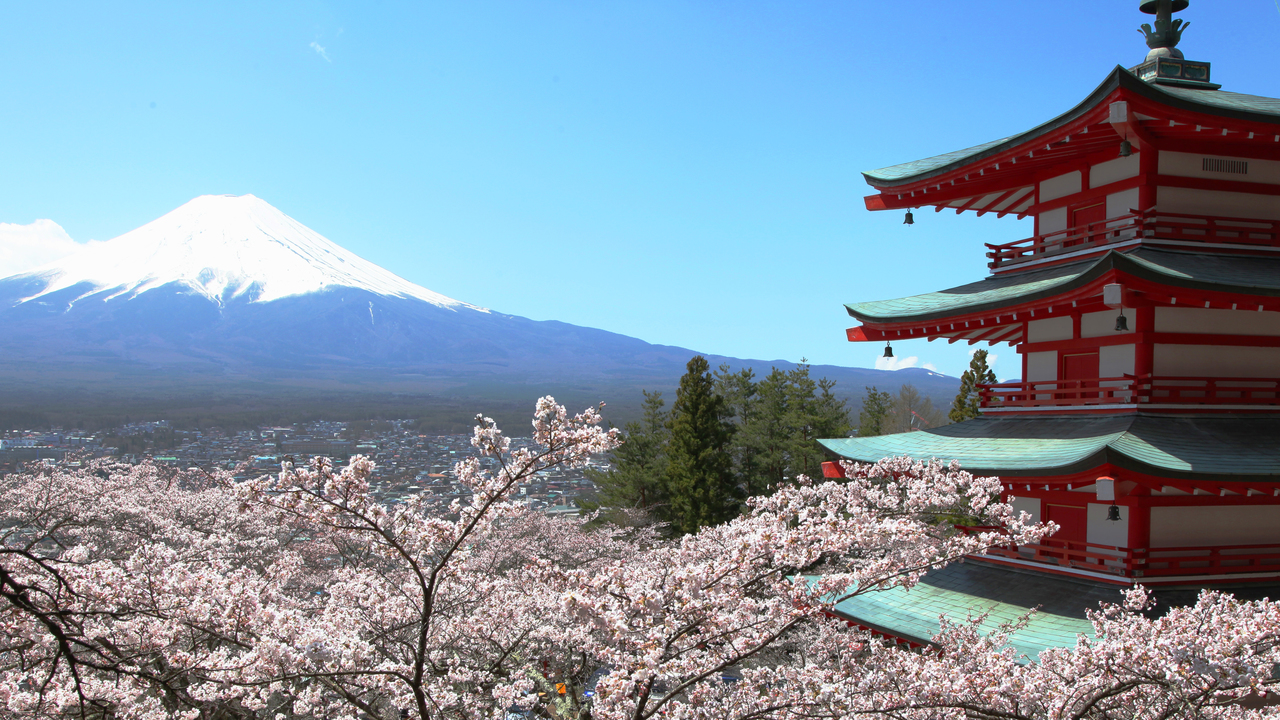
- Cherry Blossoms: Takato Castle Ruins Park (Nagano), Arakurayama Sengen Park (Yamanashi – Mt. Fuji, Five-Storied Pagoda, and Sakura), Kenrokuen (Ishikawa) *Best time: Early to Mid-April
- Autumn Leaves: Korankei (Aichi), Kurobe Gorge Railway (Toyama), Lake Kawaguchi Momiji Corridor (Yamanashi) *Best time: Late Oct to Mid-Nov
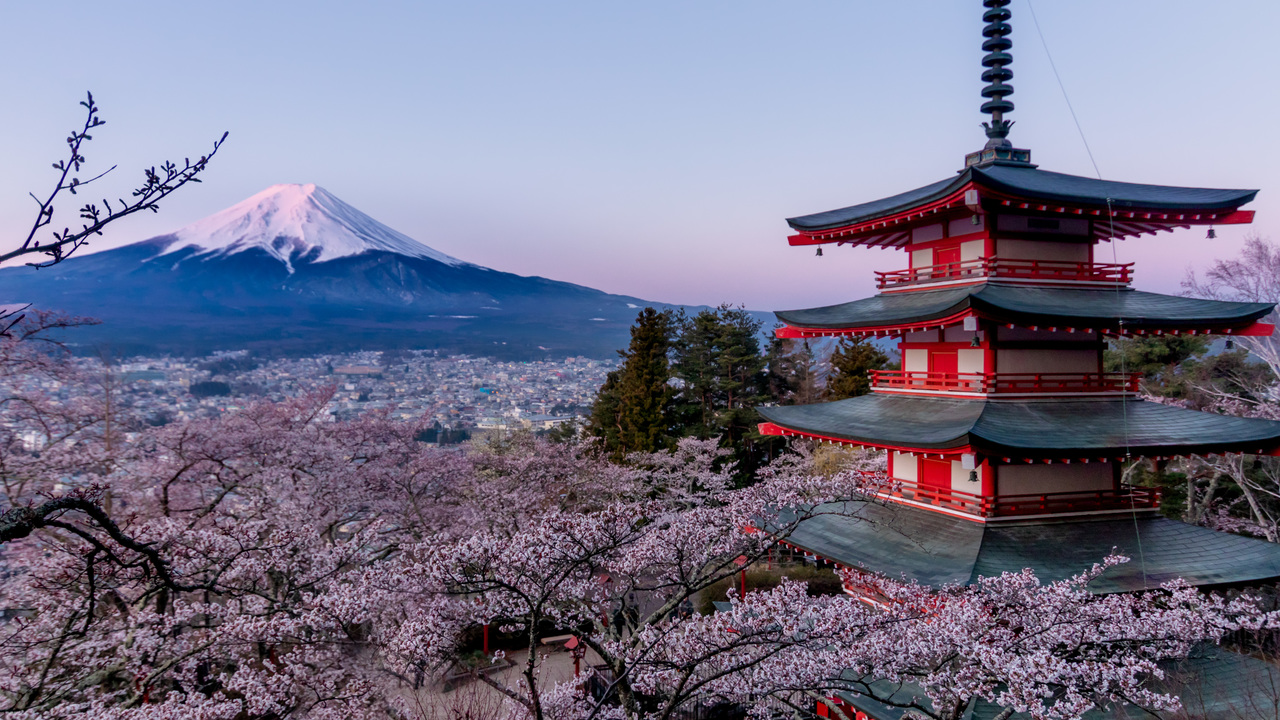
Arakurayama Sengen Park (Yamanashi: Mt. Fuji, Pagoda, and Cherry Blossoms)
Cherry Blossoms at Arakurayama Sengen Park (Chureito Pagoda) © Koichi_Hayakawa CC BY 4.0
Event Calendar
- April & October: Takayama Festival (Gifu) – One of Japan’s Three Most Beautiful Festivals
- August: Nagaoka Grand Fireworks Festival (Niigata) – One of Japan’s Three Major Fireworks Festivals
- September: Owara Kaze no Bon (Toyama)
Must-Try Gourmet & Souvenirs
- Gourmet: Hitsumabushi (Nagoya), Hida Beef (Gifu), Seafood Bowl/Nodoguro (Kanazawa), Ise Lobster/Matsusaka Beef (Mie), Hoto (Yamanashi), Shinshu Soba (Nagano)
- Souvenirs: Akafuku (Mie), Unagi Pie (Shizuoka), Shingen Mochi (Yamanashi), “Yukari” (Shrimp Cracker) (Aichi – Yatsuhashi is Kansai)
3. Blessings of the Alps and Sea: Top 5 Onsen Areas
From hot springs overlooking the sea to hidden springs deep in the mountains, the variety is rich.
| Onsen Area | Features |
|---|---|
| Gero Onsen (Gifu) | One of Japan’s Three Famous Springs. Famous as a “Spring of Beauty” that makes skin smooth. Gassho Village is also nearby. |
| Atami Onsen (Shizuoka) | 40 minutes from Tokyo by Shinkansen. A resort hot spring area overlooking the ocean, with frequent fireworks festivals. |
| Okuhida Onsen Village (Gifu) | An open-air bath paradise in the great outdoors, nestled in the bosom of the Northern Alps. Base for Shinhotaka Ropeway sightseeing. |
| Kaga Onsen Village (Ishikawa) | Collective name for Yamashiro, Yamanaka, Katayamazu, etc. An onsen area of traditional crafts like Kutani ware and Yamanaka lacquerware, and gastronomy. |
| Nozawa Onsen (Nagano) | Also famous as a ski resort. An emotional hot spring town where you can enjoy touring 13 public baths (Soto-yu). |
4. Essential History and Traditional Crafts
History and Historical Sites
The Chubu region produced the heroes of Japan’s Sengoku period (Age of Samurai) — Oda Nobunaga, Toyotomi Hideyoshi, and Tokugawa Ieyasu — making it an irresistible area for history fans.
- Sekigahara Battlefield (Gifu): The site where the decisive battle that divided the realm took place in 1600.
- Matsumoto Castle (Nagano): A National Treasure castle with the oldest existing five-tiered, six-story wooden keep in Japan. Characterized by its black exterior walls.
- Eiheiji Temple (Fukui): The head temple of the Soto Zen school. Known as a place of strict ascetic practice, it has a solemn atmosphere.
Traditional Crafts
- Kanazawa Gold Leaf (Ishikawa): Accounts for 99% of Japan’s gold leaf production. Gold leaf application experiences and gold leaf soft serve ice cream are popular.
- Arimatsu-Narumi Tie-dyeing (Aichi): A tie-dyeing technique continuing since the Edo period. Yukata and hand towels are perfect souvenirs.
- Mino Ware / Seto Ware (Gifu/Aichi): Japan’s representative pottery production areas. Ranging from everyday tableware to works of art.
- Woodcraft / Ichii Ittobori (Gifu): Woodworks shining with the skills of Hida craftsmen. Furniture and interior accessories are famous.
5. Expert Recommendations: Model Travel Routes
Since traversing vertically and horizontally is difficult, the key is to narrow down the area or use a wide-area route (Shoryudo).
① Royal Popular Course (3 Days, 2 Nights)
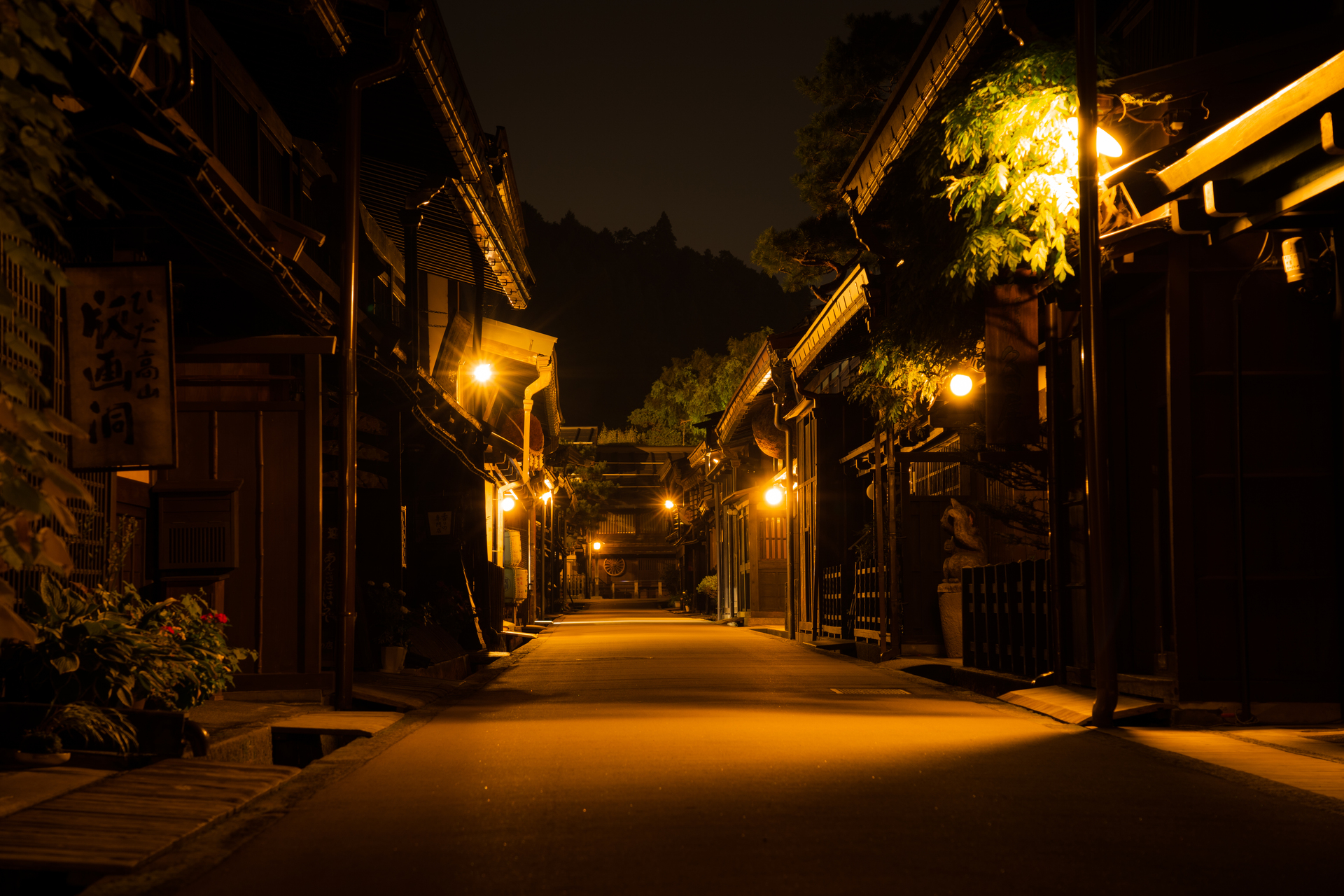
Theme: “Shoryudo” Golden Route Touring Japan’s Original Scenery and Little Kyoto
- Day 1: Arrive Nagoya Station → Highway bus or Limited Express Hida to Takayama → Old Town Stroll & Hida Beef Lunch → Stay in Takayama
- Day 2: Bus to Shirakawa-go (World Heritage Village Stroll) → Bus to Kanazawa → 21st Century Museum of Contemporary Art or Higashi Chaya District → Stay in Kanazawa (Seafood Dinner)
- Day 3: Kenrokuen & Kanazawa Castle Park → Lunch at Omicho Market → Hokuriku Shinkansen to Tokyo, or Limited Express Thunderbird to Osaka
② Royal Popular Course (3 Days, 4 Nights)
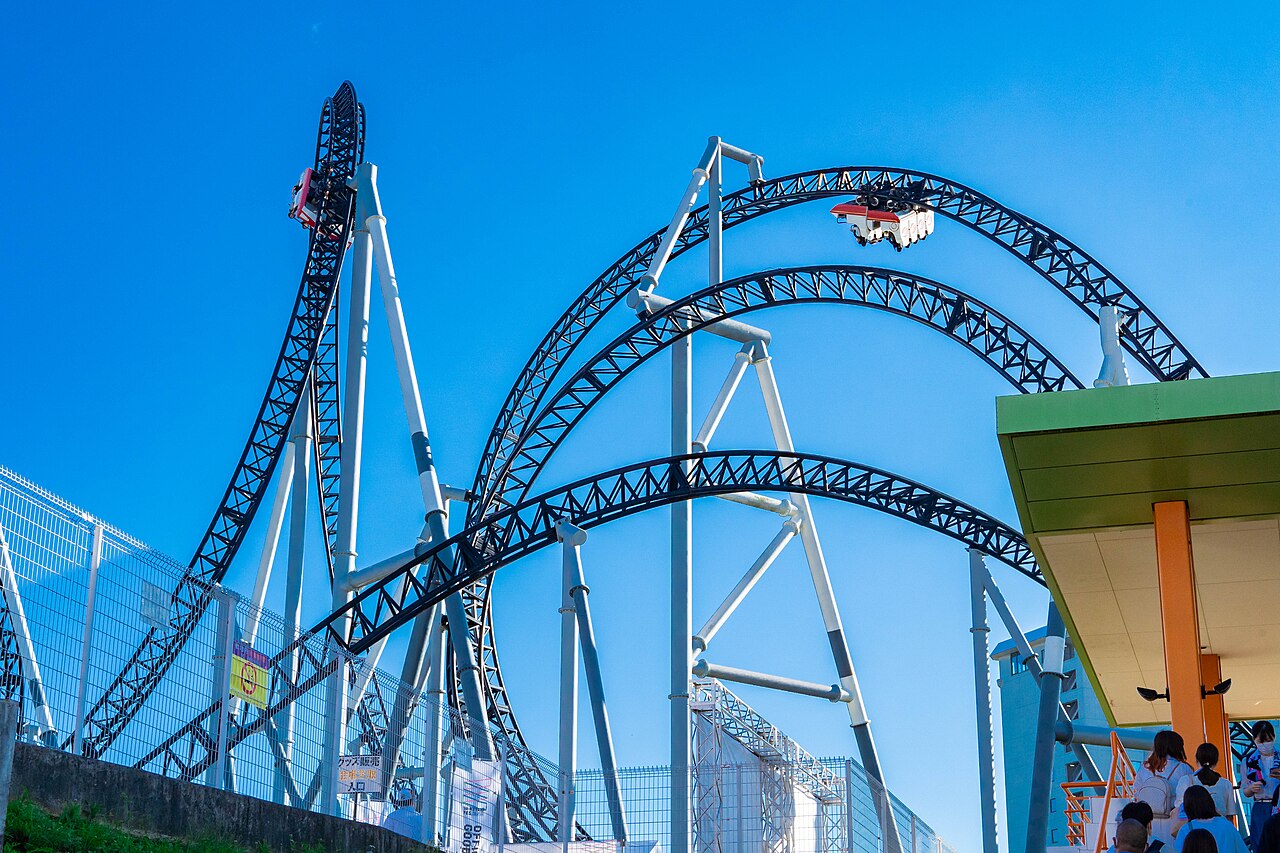
Fuji-Q Highland
Theme: From Mt. Fuji to the Alps! Great Nature Route Running Through the Roof of Japan
- Day 1: Tokyo/Shinjuku → Lake Kawaguchi (Mt. Fuji View Spot) → Play at Fuji-Q Highland → Stay at Lake Kawaguchi Onsen
- Day 2: Move from Lake Kawaguchi to Matsumoto → Visit National Treasure Matsumoto Castle → Stay in Matsumoto
- Day 3: Matsumoto to Ogizawa → Traverse Tateyama Kurobe Alpine Route (Kurobe Dam/Snow Wall *Spring) → Exit to Toyama → Stay in Toyama or Kanazawa
- Day 4: Hokuriku Sightseeing (Toyama Glass Art Museum or Kanazawa Sightseeing) → Return via Shinkansen
③ Nature Lovers Course (3 Days, 2 Nights)
Theme: To the Land Where Gods Dwell. Kamikochi and Okuhida Onsen Village
- Day 1: Matsumoto Station → Train and Bus to Kamikochi → Kappabashi & Taisho Pond Hiking (Private cars restricted, Nature Preserve) → Stay in Kamikochi or Okuhida Onsen Village
- Day 2: Shinhotaka Ropeway to enjoy the view above the clouds → Hirayu Great Falls → Move to Takayama → Stay in Takayama
- Day 3: Eat around Miyagawa Morning Market → Takayama Jinya → Return to Nagoya, eat Hitsumabushi, and finish
④ Activity Experience Course (3 Days, 2 Nights)
Theme: Sacred Pilgrimage and Theme Parks! Ise, Shima, and Nagoya
- Day 1: Nagoya or Osaka to Iseshi Station → Ise Jingu (Geku & Naiku) Worship → Okage Yokocho → Stay in Toba or Kashikojima (Resort Hotel)
- Day 2: Toba Aquarium or Shima Spain Village → Move to Nagoya → Nagoya Food (Tebasaki/Miso Katsu) → Stay in Nagoya
- Day 3: Ghibli Park (Reservation required) or LEGOLAND Japan → SCMAGLEV and Railway Park → Departure from Chubu International Airport or Nagoya Station
In the mountainous areas of the Chubu region (Shirakawa-go and Alpine Route), roads may be closed due to snow, or the routes themselves may be closed during winter (December to March). Clothing appropriate for the travel season and route confirmation are essential. Also, popular spots (Shirakawa-go, Ghibli Park) often require advance reservations, so early planning is recommended.