Hi, I’m Hiro, a travel professional (Certified Domestic Travel Service Supervisor). The Tohoku region (Aomori, Iwate, Miyagi, Akita, Yamagata, Fukushima) is located in the northeastern part of Honshu. Here you will find the beautiful changing of the seasons, simple and warm-hearted people, and onsen and scenery that offer an overwhelming sense of the extraordinary.
However, because it is a vast area spanning six prefectures, many people wonder, “Where should I go?” or “How should I travel?”. In this article, I will thoroughly explain everything from basic information about Tohoku to must-visit sightseeing spots and **”highly efficient and satisfying”** model courses.
Table of Contents
1. Basic Information about Tohoku
Geography and Climate
The Tohoku region is traversed by the Ou Mountains in the center, causing significant climate differences between the Pacific side and the Sea of Japan side. The Pacific side (Miyagi, Fukushima, etc.) has cool summers and relatively little snow in winter, while the Sea of Japan side (Akita, Yamagata, Aomori, etc.) becomes a heavy snowfall zone in winter, offering some of the world’s most spectacular snowy landscapes.
Average Temperature and Precipitation (Sendai)
Here is annual data for Sendai, the gateway to Tohoku. Please assume that Northern Tohoku (Aomori, Iwate, Akita) will be 2-3°C lower than this.
| Month | Avg. Temp (°C) | Precipitation (mm) | Clothing Guide |
|---|---|---|---|
| Jan | 1.5 | 40 | Down coat, scarf, gloves |
| Apr | 10.5 | 90 | Spring coat or jacket |
| Jul | 23.5 | 160 | Short sleeves (light jacket for mornings/evenings) |
| Oct | 15.0 | 100 | Sweater, heavy jacket |
Key Facts
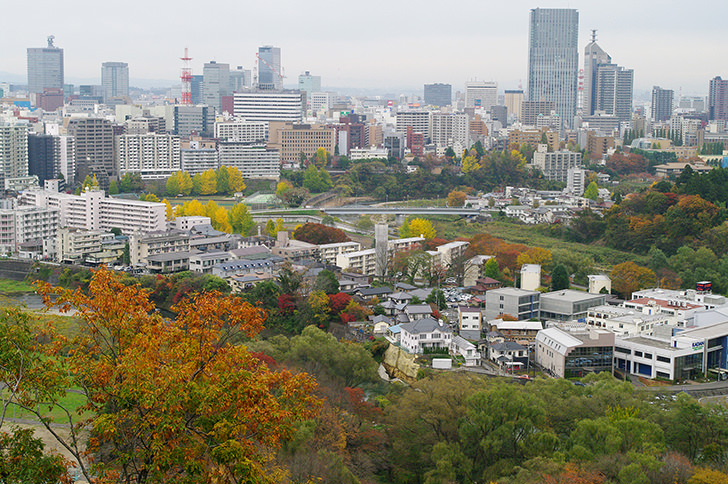
Sendai City
- Population: Approx. 8.3 million (Major cities: Sendai ~1.09 million, Iwaki ~320k, Koriyama ~320k, Morioka ~280k)
- Major Airports: Sendai Airport (SDJ), Aomori Airport (AOJ), Akita Airport (AXT), Hanamaki Airport (HNA)
Access Information and Estimated Costs
Shinkansen is common from the Tokyo metropolitan area, while flights are common from Western Japan. Ferry travel from Nagoya is also popular.
| From | To | Method | Travel Time | Estimated Cost (One Way) |
|---|---|---|---|---|
| Tokyo Station | Sendai | Tohoku Shinkansen | Approx. 1h 30m | ¥11,410 (Reserved Seat) |
| Osaka (KIX/Itami) | Sendai | Flight | Approx. 1h 20m | ¥8,000–¥35,000 *Cheaper with LCC (Peach) |
| Tokyo Station | Shin-Aomori | Tohoku Shinkansen | Approx. 3h | Approx. ¥17,500 |
| Nagoya Port | Sendai Port | Ferry | Approx. 21h | From ¥8,200 *Via Taiheiyo Ferry |
The Tohoku Shinkansen (e.g., Hayabusa) often has “All Reserved Seats,” so advance booking is essential. Also, if you plan to travel extensively, using passes like the “JR EAST PASS (Tohoku area)” for international visitors or other discount tickets can save you a surprising amount of money.
2. 10 Must-Visit Sightseeing Spots in Tohoku
I have selected the highlights of Tohoku, ranging from historical heritage to scenic views and unique experience spots.
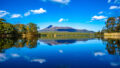
- Oirase Stream (Aomori): One of Japan’s most scenic spots, woven by rich forests and clear streams. Walking here during the fresh green season or autumn foliage is exceptional.
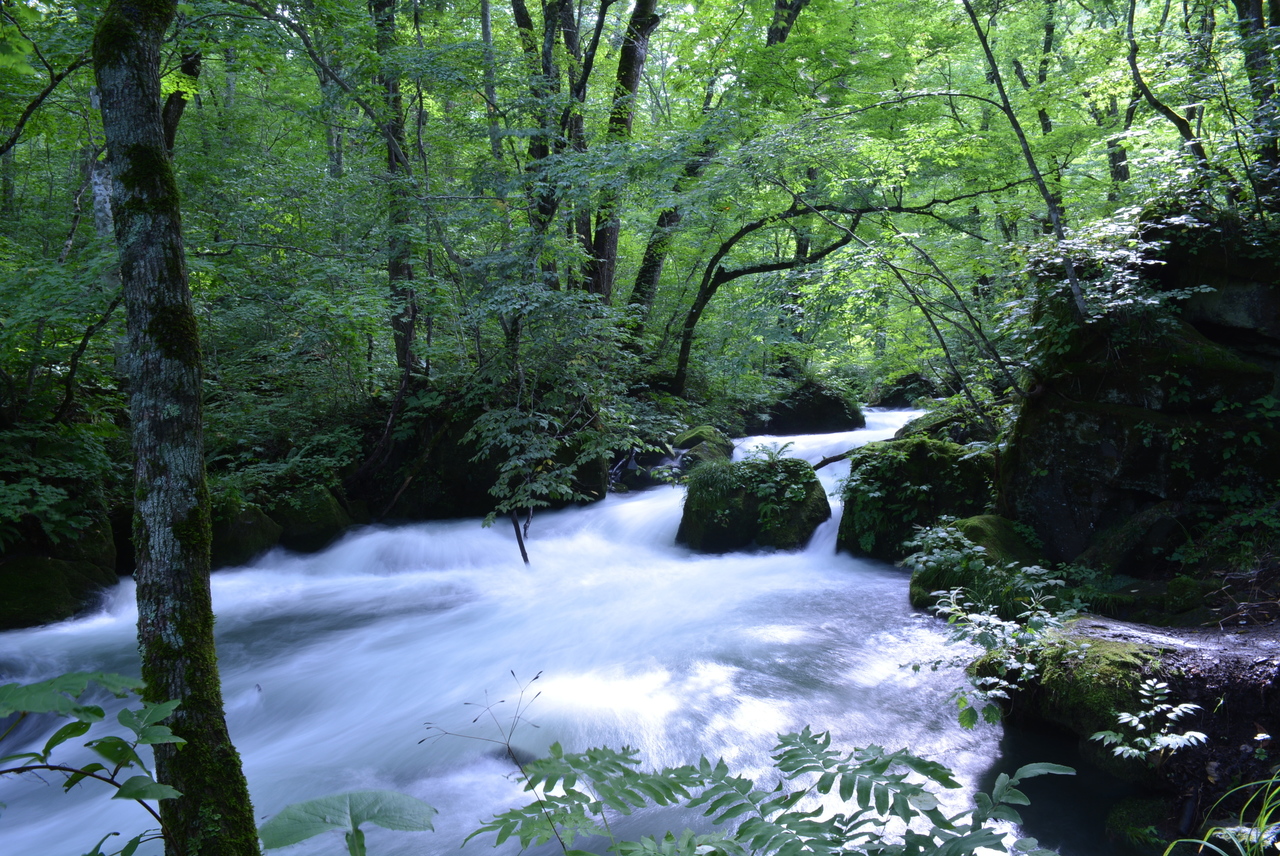 Oirase Stream © Mos CC BY 4.0
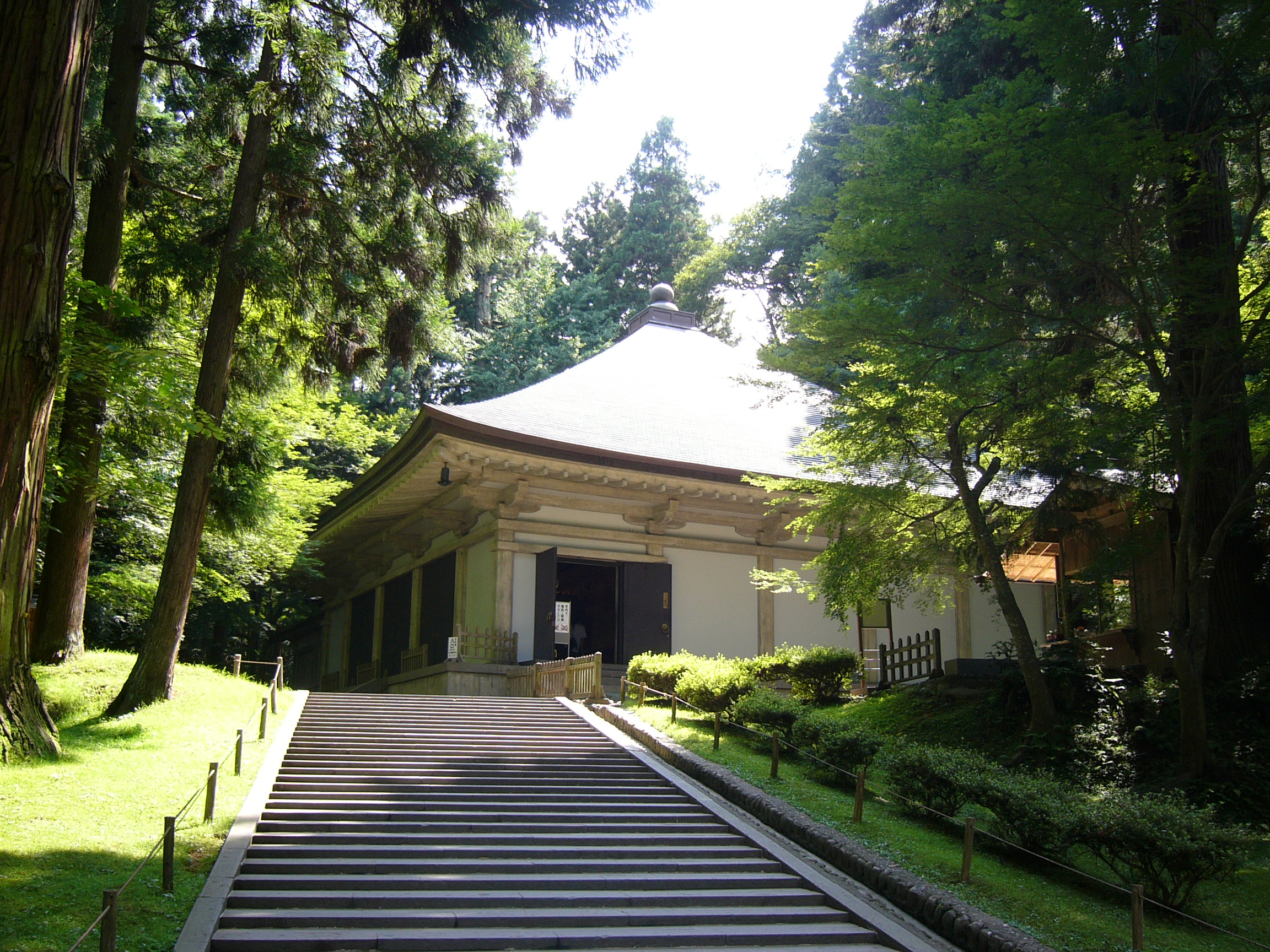
 - Chuson-ji Temple & Konjikido (Iwate): A component of the World Heritage site “Hiraizumi”. A National Treasure that conveys the golden culture of the Heian period to the present.
- Matsushima (Miyagi): One of the Three Views of Japan. The scenery of over 260 islands viewed from a pleasure boat is breathtaking.
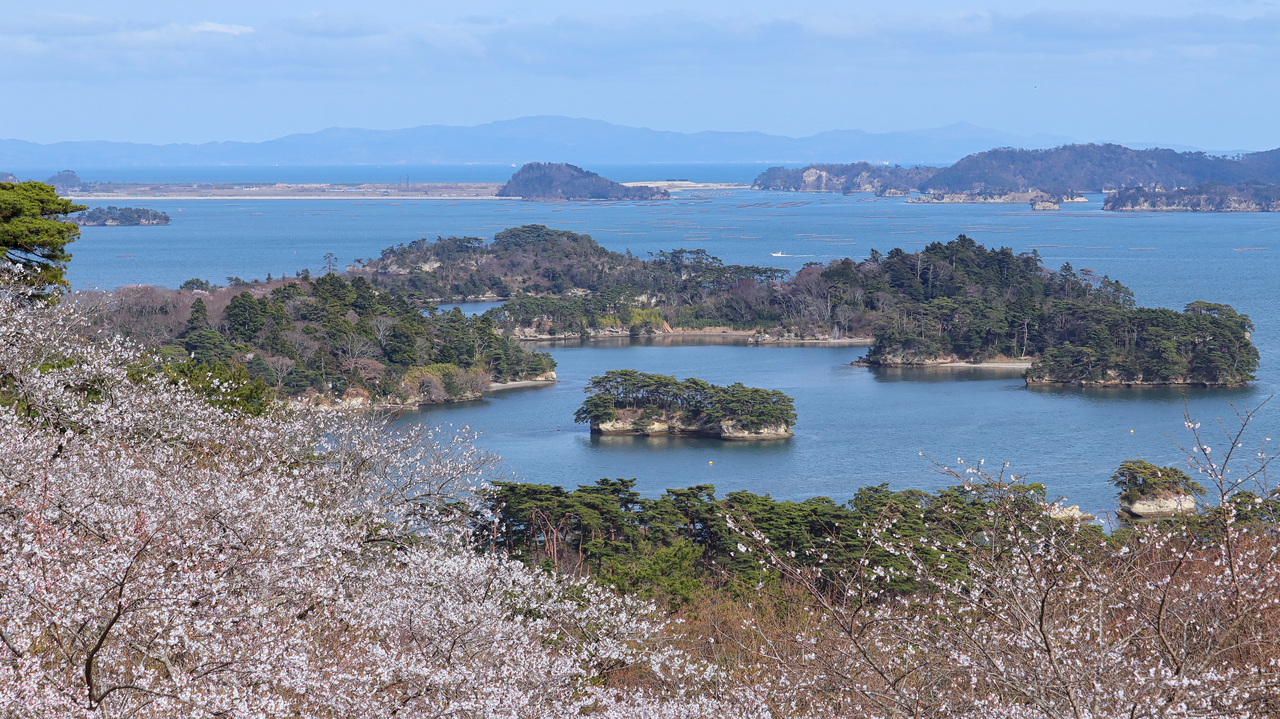 Cherry Blossoms and Matsushima Bay © Makoto_Lab CC BY 4.0
 - Ginzan Onsen (Yamagata): An onsen town with a Taisho Roman atmosphere. The winter snowscape and gas lamps create a magical scene.
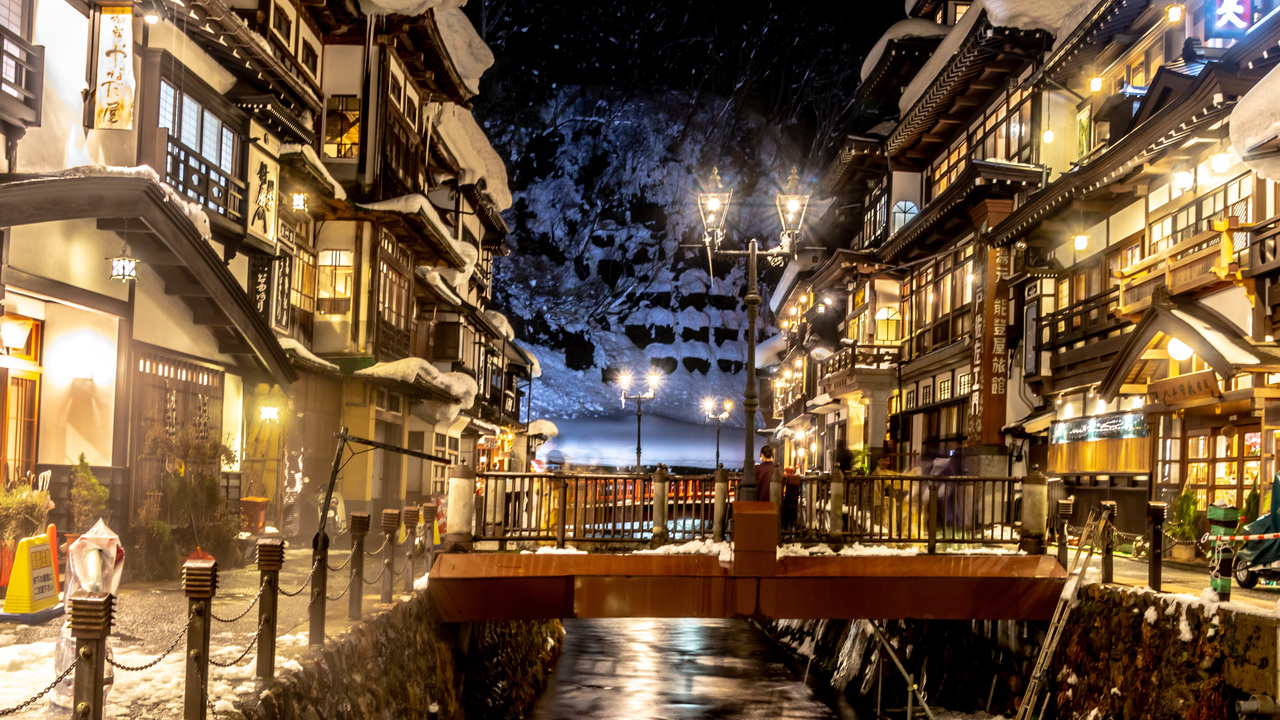 Ginzan Onsen © Koichi_Hayakawa CC BY 4.0
 - Kakunodate Samurai District (Akita): A historic townscape known as the “Little Kyoto of Michinoku,” featuring beautiful black fences and weeping cherry trees.
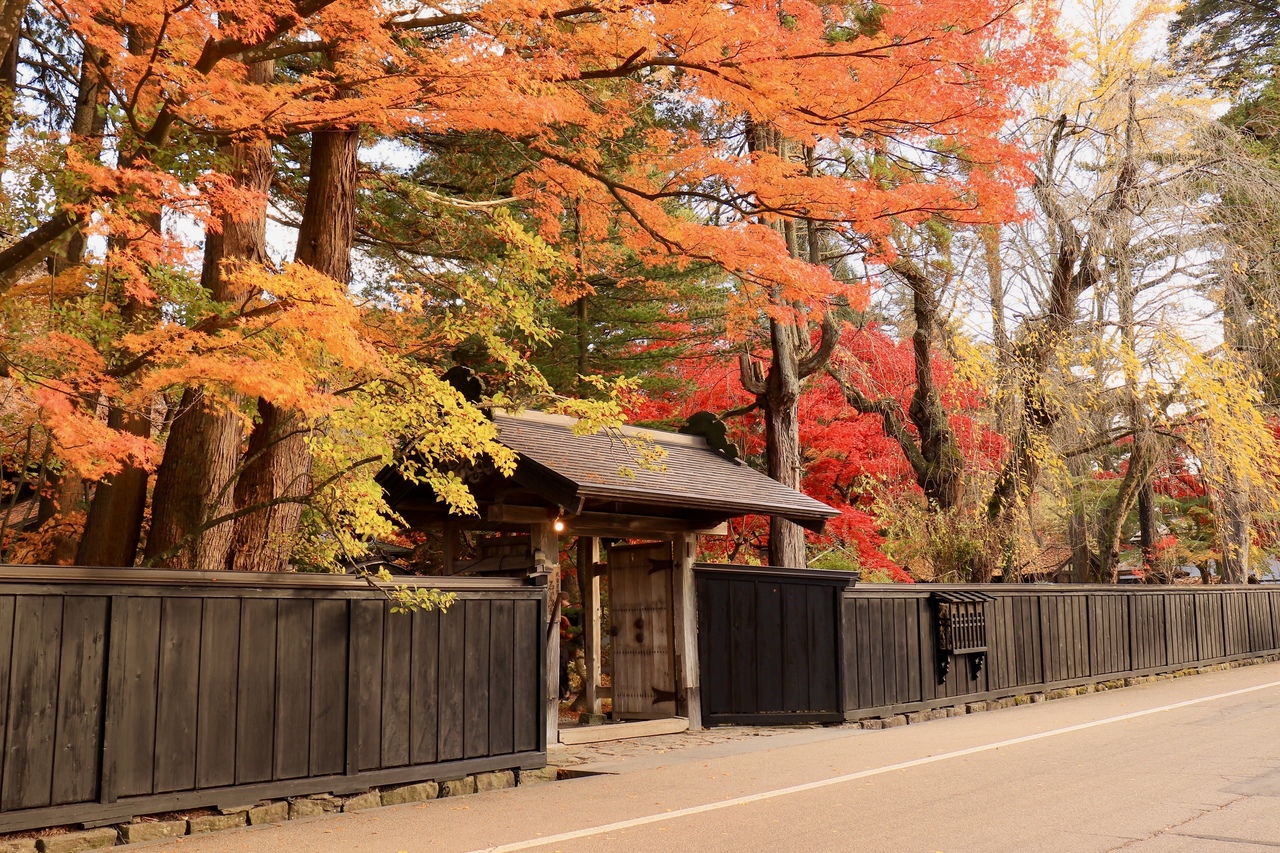 Kakunodate, Autumn in Michinoku © Ken_Lee CC BY 4.0
 - Ouchi-juku (Fukushima): A village of thatched-roof houses that preserves the appearance of an Edo period post town. The famous “Negi Soba” (green onion soba) is a must-eat.
- Yamadera (Risshaku-ji) (Yamagata): A place where Matsuo Basho composed famous haiku. A spectacular view awaits after climbing 1,015 stone steps.
- Nyuto Onsen Village (Akita): Seven hot springs surrounded by virgin beech forests. This area sparked the “hidden hot spring” boom in Japan.
- Hirosaki Park (Aomori): The collaboration of Hirosaki Castle and cherry blossoms is often called the “best sakura in Japan.”
- Zao Okama & Fox Village (Miyagi/Yamagata): The emerald green crater lake “Okama” and the facility where you can interact with free-roaming foxes are very popular.
Seasonal Highlights
- Cherry Blossoms: Hirosaki Park (Aomori), Kitakami Tenshochi (Iwate), Kakunodate (Akita) *Known as the Three Great Cherry Blossom Spots of Michinoku
- Autumn Leaves: Naruko Gorge (Miyagi), Mt. Hakkoda (Aomori), Entsuin (Matsushima) *Best time: Mid-Oct to Early Nov
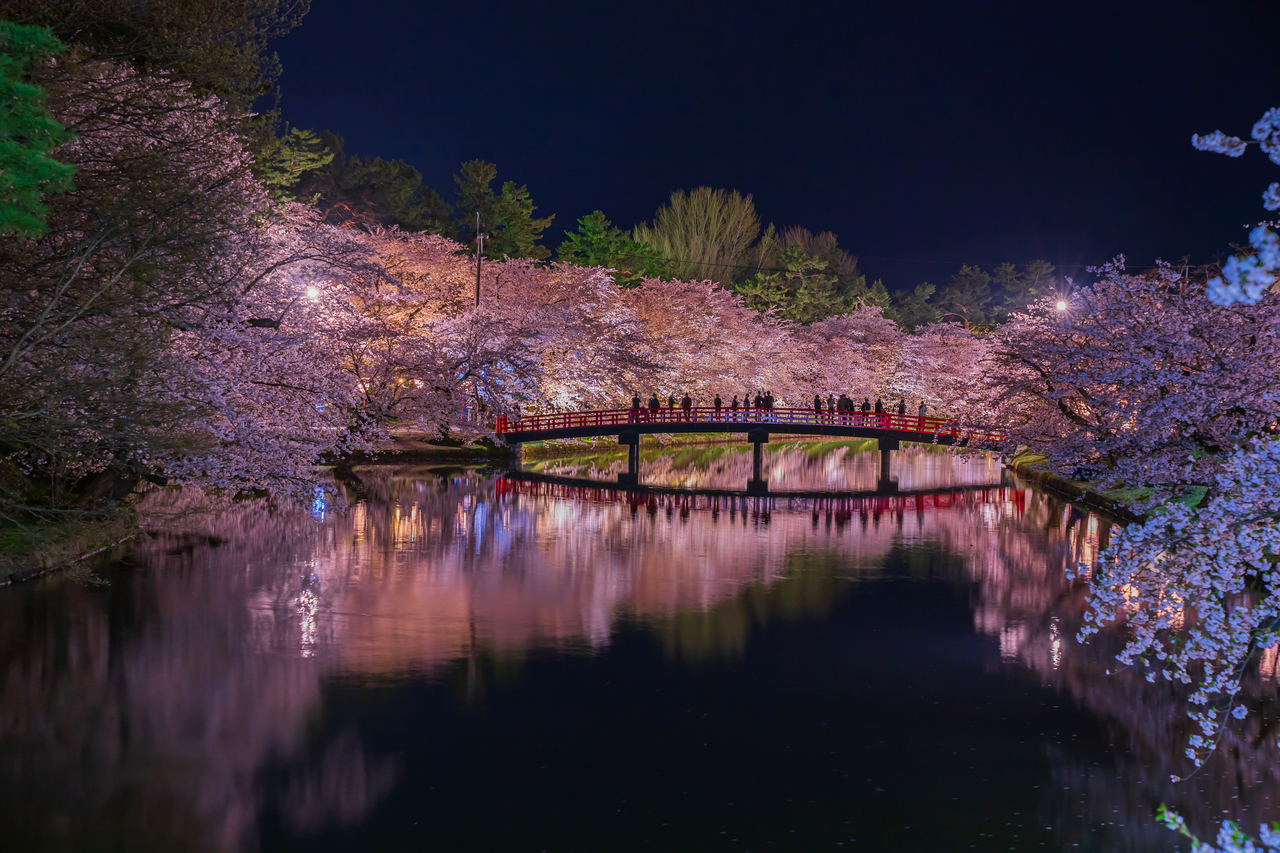
Stunning Night Cherry Blossoms at Hirosaki Park © mko294 CC BY 4.0
Event Calendar
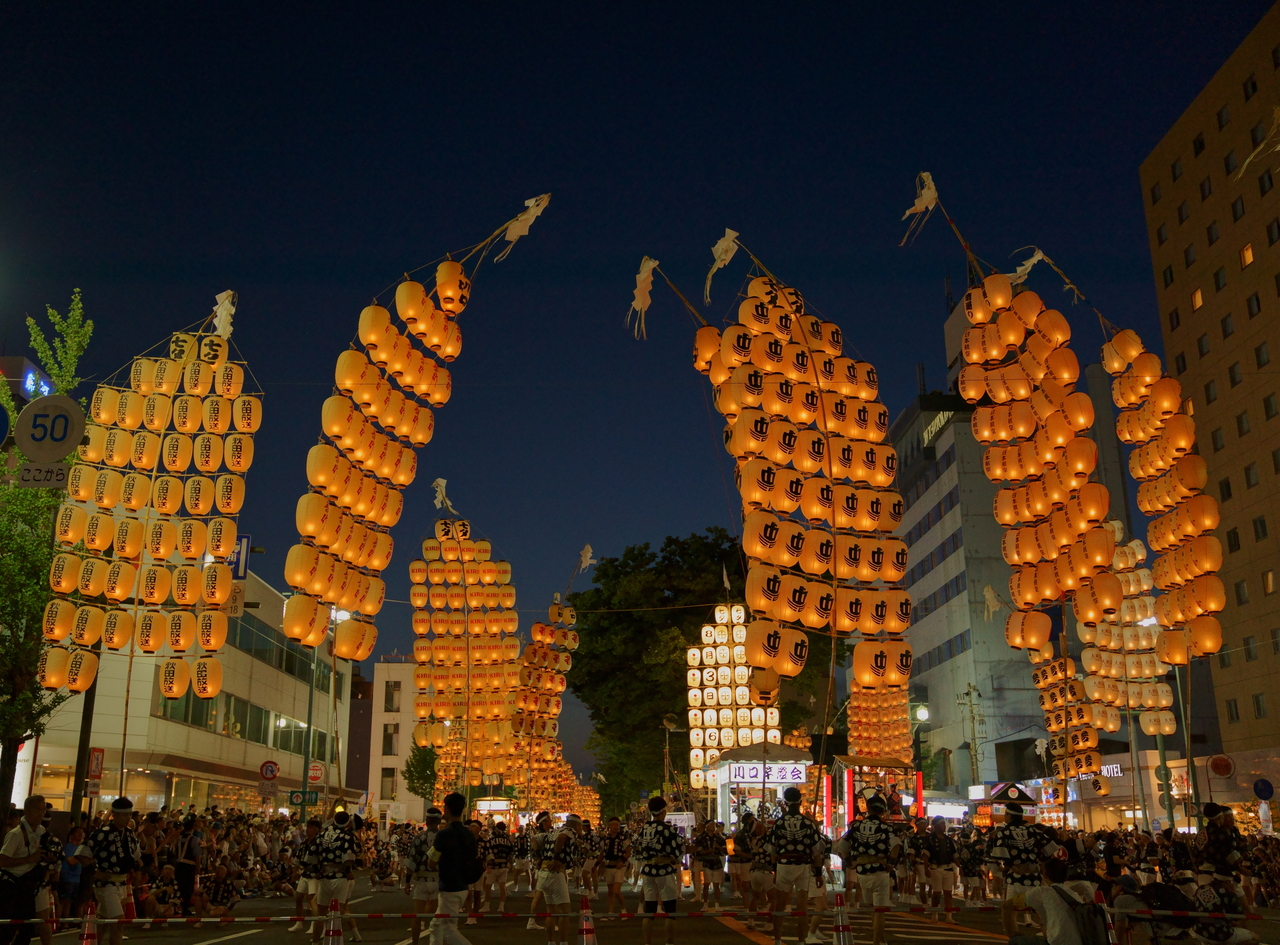
- Early August: Three Great Festivals of Tohoku (Aomori Nebuta Festival, Akita Kanto Festival, Sendai Tanabata Festival)
- Early August: Yamagata Hanagasa Festival (Yamagata), Morioka Sansa Odori (Iwate), Fukushima Waraji Festival (Fukushima)
- February: Yokote Kamakura (Akita)
Must-Try Gourmet & Souvenirs
- Gourmet: Sendai Gyutan (Beef Tongue), Morioka Reimen, Kitakata Ramen, Inaniwa Udon, Kiritanpo Nabe, Oma Tuna
- Souvenirs: Hagi no Tsuki (Miyagi), Kamome no Tamago (Iwate), Nanbu Senbei (Iwate), Mamador (Fukushima), Zunda Mochi
Oma Tuna
3. A Treasure Trove of Hidden & Famous Onsen: Top 5 Picks
Tohoku is a regular top contender in onsen rankings. Here are 5 selections that satisfy those who prioritize water quality as well as atmosphere.
| Onsen Area | Features |
|---|---|
| Ginzan Onsen (Yamagata) | World-famous for its nostalgic scenery of wooden multi-story inns. Perfect for a photogenic trip. |
| Nyuto Onsen Village (Akita) | Seven hidden springs including “Tsurunoyu.” The milky white water and thatched-roof inns represent the original landscape of Japan. |
| Akiu Onsen (Miyagi) | 30 minutes by car from central Sendai. Known as the “Back Parlor of Sendai,” a famous spring loved by Lord Date Masamune. |
| Naruko Onsen Village (Miyagi) | An onsen paradise gathering 9 of the 11 types of spring qualities found in Japan. Also famous for Kokeshi dolls. |
| Hanamaki Onsen Village (Iwate) | Associated with Kenji Miyazawa. Offers a variety from large hotels to inns retaining the atmosphere of a traditional healing spa. |
4. Essential History and Traditional Crafts
History and Historical Sites
Tohoku has formed a unique cultural sphere since ancient times. The golden culture of Hiraizumi and the culture of the Sengoku and Edo periods, represented by Date Masamune, remain strong.
- Hiraizumi (Iwate): An ideal land of Buddhist Pure Land established by the Oshu Fujiwara clan in the late Heian period. Highlights include Chuson-ji and Motsu-ji temples.
- Aizu Wakamatsu (Fukushima): A castle town retaining the history of the Byakkotai tragedy at the end of the Edo period. Many spots like Tsuruga Castle and Sazaedo offer a feel of samurai culture.
- Sannai-Maruyama Site (Aomori): One of Japan’s largest Jomon settlement sites. You can glimpse high architectural technology and a rich way of life.
Traditional Crafts
- Tsugaru Vidro (Aomori): Glass craft born from fishing float manufacturing technology. Features colorful and warm hues that reflect Japan’s four seasons.
- Nanbu Tekki (Ironware) (Iwate): Cast ironware with 400 years of history. Teapots with excellent heat retention and high design quality are popular overseas.
- Kokeshi (Miyagi/Yamagata, etc.): Wooden dolls developed as souvenirs at hot spring resorts. Facial features and patterns vary by region.
- Magewappa (Akita): Containers made by bending thin sheets of cedar or cypress. Re-gaining attention as lunch boxes for their moisture absorption and bactericidal effects.
- Aizu Lacquerware (Fukushima): A representative of lacquerware. Durable and beautiful, highly evaluated for its Makie (gold/silver lacquer) techniques.
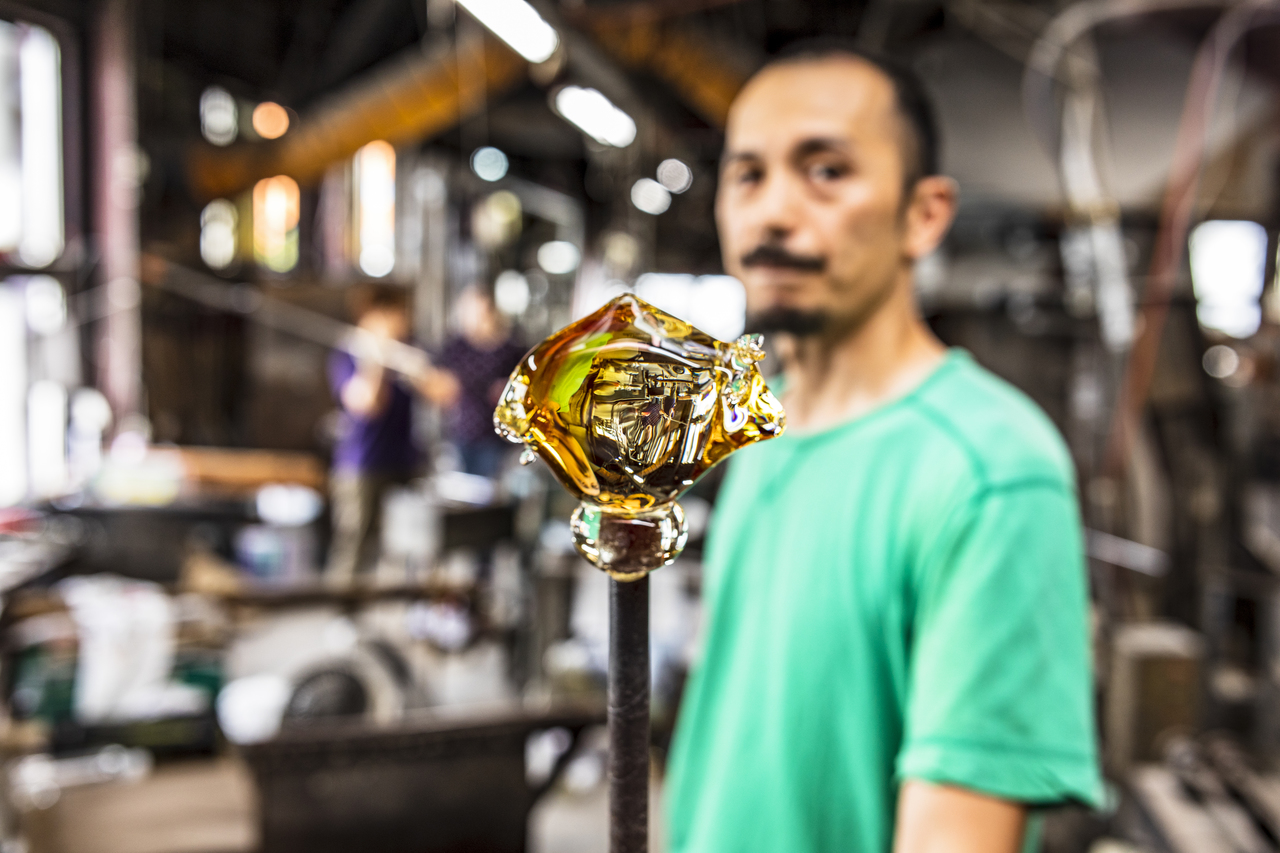
Tsugaru Vidro © S-KUSJR CC BY 4.0
5. Expert Recommendations: Model Travel Routes
With 6 prefectures, the key to Tohoku is either narrowing down the area or using the Shinkansen to traverse it.
① Royal Popular Course (3 Days, 2 Nights)
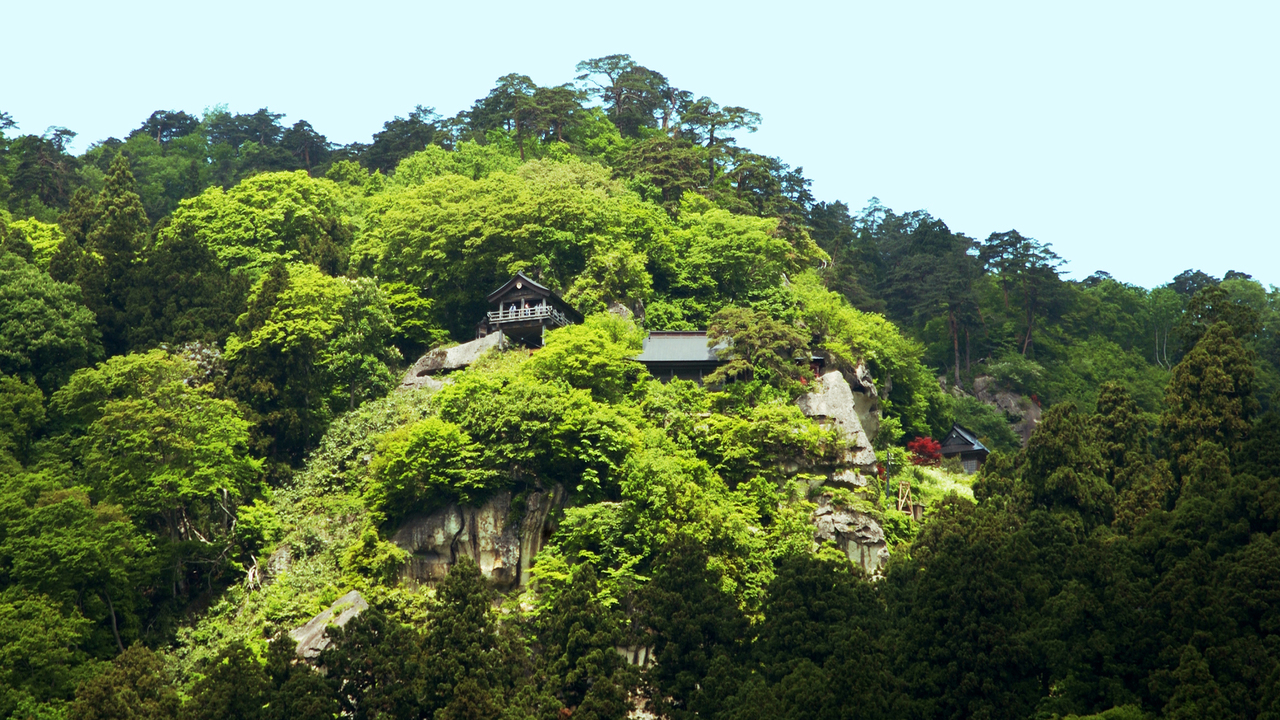
Risshaku-ji Temple © Yamagata City Tourism Association CC BY 4.0
Theme: Exploring the City of Trees, History, and Onsen! South Tohoku Golden Route
- Day 1: Arrive Sendai Station → Sendai famous Gyutan Lunch → Move to Matsushima for pleasure boat cruise & walk around Godaido → Stay in Matsushima or Sendai
- Day 2: Sendai to Yamadera (Risshaku-ji) (approx. 1h by train) → Climb 1,000 stone steps to enjoy the view → Move to Ginzan Onsen and stay at a Taisho Roman inn
- Day 3: Mogami River Boat Ride experience → Return via Shinkansen
② Royal Popular Course (4 Days, 3 Nights)
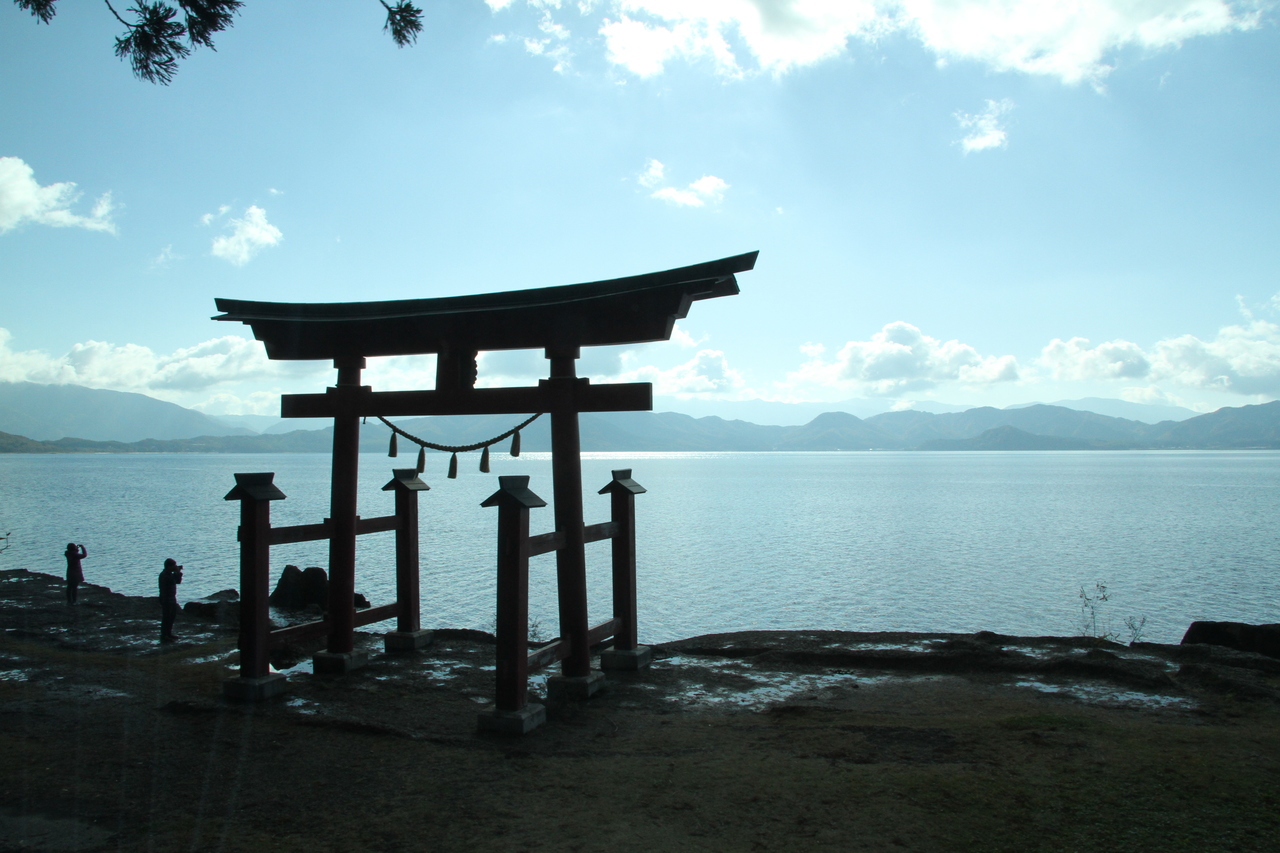
Torii Gate at Goza-no-ishi Shrine, Lake Tazawa, Akita © T-KIMURA CC BY 4.0
Theme: Conquering the Three Great Northern Prefectures! North Tohoku Loop
- Day 1: Tokyo/Osaka → Arrive Shin-Aomori Station → Nebuta Museum Wa Rasse → Stay in Aomori City or Asamushi Onsen
- Day 2: Rental car or bus to Oirase Stream walk → Lake Towada → Towards Akita/Odate → Stay in Oyu Onsen or Hachimantai
- Day 3: Kakunodate Samurai District walk → Lake Tazawa (Statue of Tatsuko) → Hidden spring experience and stay at Nyuto Onsen Village
- Day 4: Shinkansen to Morioka → Wanko Soba experience → Soft serve ice cream at Koiwai Farm → Return from Morioka Station
③ Nature Lovers Course (3 Days, 2 Nights)
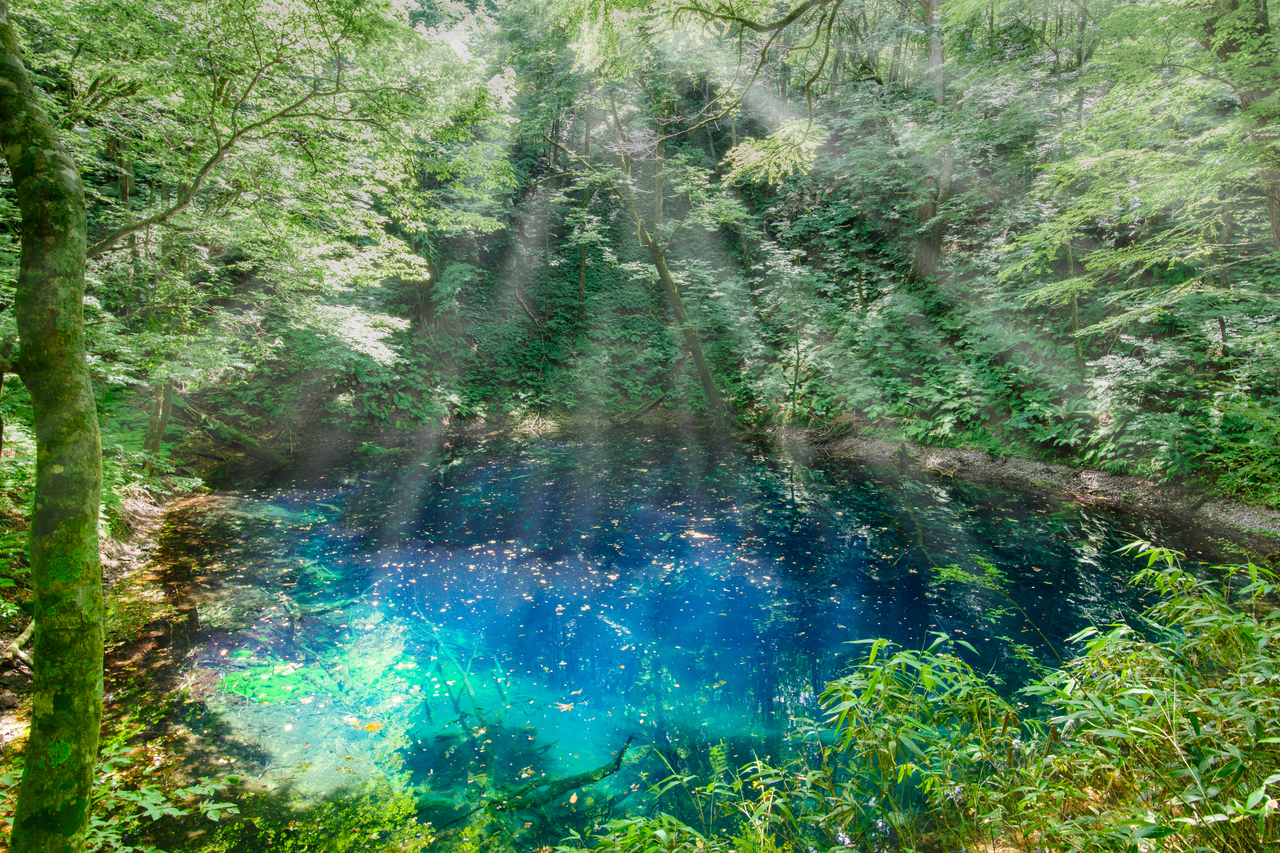
Shining Blue Pond © keey CC BY 4.0
Theme: World Heritage Shirakami-Sanchi and Sea of Japan Views
- Day 1: Arrive Aomori Airport or Shin-Aomori Station → Board Resort Shirakami (sightseeing train) → Travel while viewing the Sea of Japan sunset → Stay at Furofushi Onsen (seaside open-air bath)
- Day 2: Walk in Shirakami-Sanchi (Juniko/Aoike) → Beech forest trekking → Move to Oga Peninsula → Namahage experience & Stay at Oga Onsen
- Day 3: Oga Aquarium GAO or Mt. Kanpu Observatory → Inaniwa Udon in Akita City → Return from Akita Airport or Akita Station
④ Activity Experience Course (3 Days, 2 Nights)
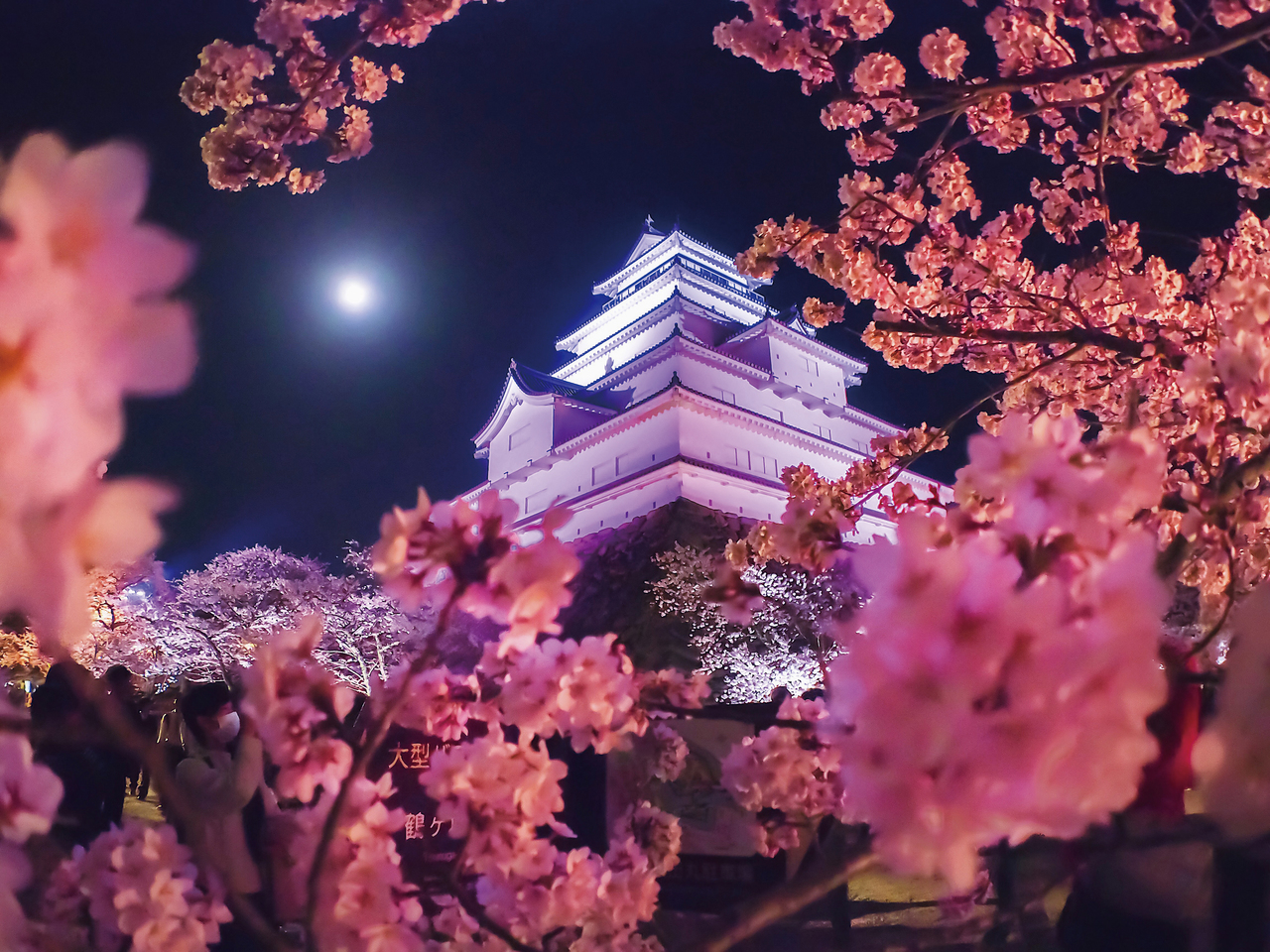
Cherry Blossoms at Tsuruga Castle, Aizu Wakamatsu City © SQUAREZERO CC BY 4.0
Theme: Animal Encounters and Fruit Kingdom: Fukushima & Miyagi
- Day 1: Sendai Station → Miyagi Zao Fox Village (Encounter over 100 foxes) → Stay in Togatta Onsen
- Day 2: Zao Okama sightseeing (bus or car) → Move to Fukushima → Peach or pear picking experience on the Fruit Line → Stay in Iizaka Onsen or Aizu Wakamatsu
- Day 3: Akabeko painting experience in Aizu Wakamatsu → Tsuruga Castle sightseeing → Return from Koriyama Station or Fukushima Airport
The key to traveling in Tohoku is balancing the “Shinkansen” with “highway buses/rental cars.” The Shinkansen is overwhelmingly fast between major cities (Sendai ⇔ Morioka ⇔ Shin-Aomori), but buses or cars are necessary for sightseeing spots (like Ginzan Onsen or Oirase Stream). Especially in winter, train delays and road closures are common, so please allow plenty of time in your schedule.